
AC Tune Up in Lakeway, TX

Is Your Cooling System Prepared for the Relentless Texas Summer?
Hot and humid Texas weather can make everyday life uncomfortable, quickly turning a minor cooling issue into a major emergency. Ensure your air conditioning is up to the task with a professional tune-up that identifies inefficiencies before they result in a breakdown. Schedule your comprehensive inspection today by calling our local AC Superheroes team or applying for flexible financing to cover necessary maintenance.
In Lakeway, the difference between a comfortable home and a stifling environment often comes down to the reliability of your HVAC equipment. When temperatures reach the upper 90s, your system works overtime to combat the heat load. Without regular intervention, this strain leads to higher utility bills and premature component failure.
Our approach focuses on rapid, results-driven maintenance that restores factory specifications to your unit. We provide:
- Rapid response times to address performance drops before peak season hits.
- A detailed tune-up covering all critical mechanical and electrical components.
- Proactive seasonal checks designed to mitigate unexpected breakdowns during heatwaves.
- Certified and insured technicians offering flexible options for every budget.
What Is Included in Your AC Tune-Up?
A professional tune-up is far more than a simple filter change; it is a comprehensive restoration of your system’s efficiency. The goal is to lower the amp draw of the compressor and fan motors, which directly translates to lower electricity bills and a longer lifespan for the equipment. When AC Superheroes performs a tune-up, we systematically address every subsystem within the air conditioner.
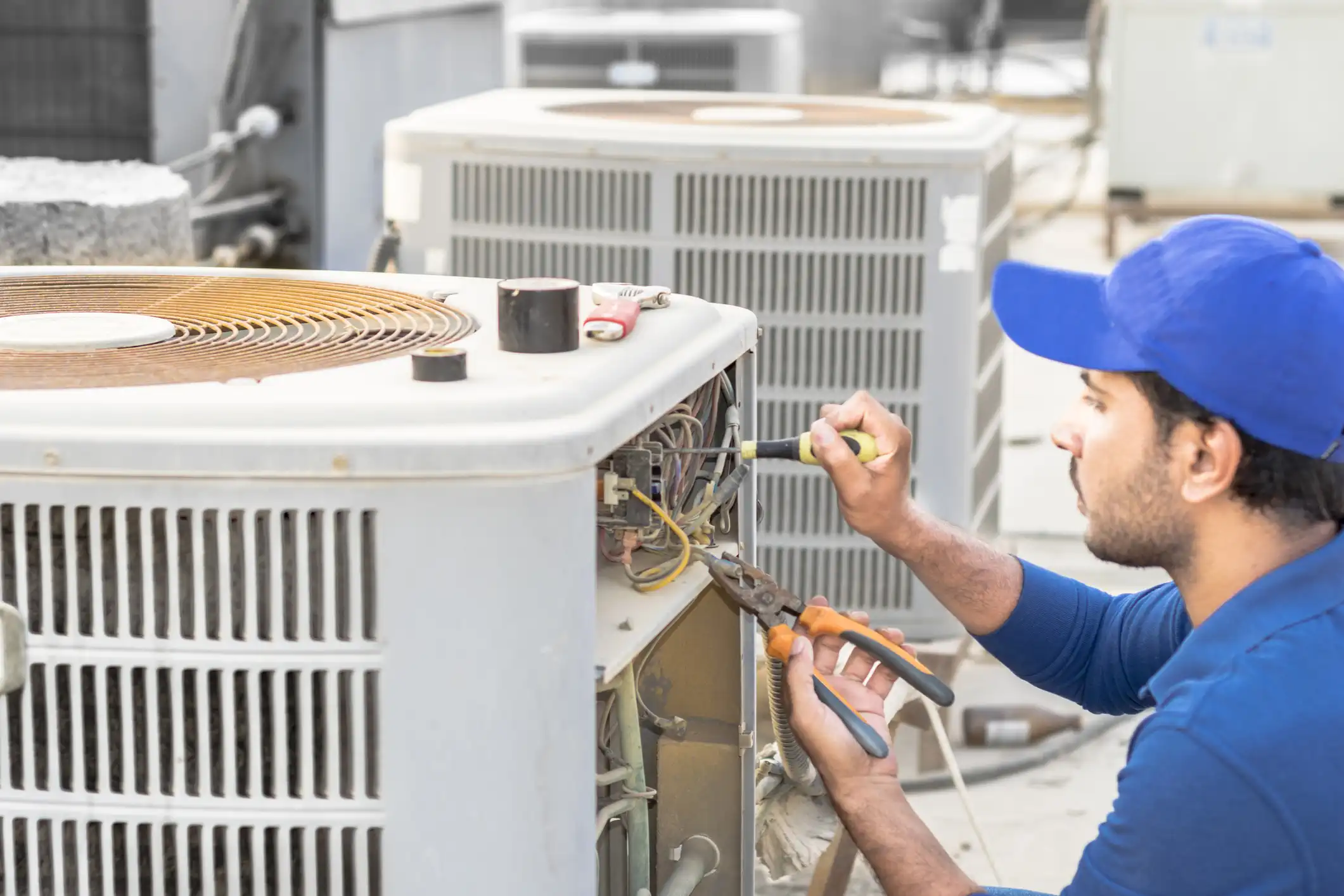
Coil Inspection and Cleaning
The condenser coil (outside) and evaporator coil (inside) are the lungs of your air conditioning system. Over time, these coils collect dirt, grass clippings, pollen, and dust. Even a microscopic layer of debris acts as an insulator, preventing the system from releasing heat outdoors or absorbing heat from indoors.
- We chemically clean the condenser coils to ensure maximum heat rejection.
- We inspect the evaporator coil for buildup that could restrict airflow or cause the system to freeze up.
- We straighten bent coil fins to restore proper air volume through the unit.
Electrical Component Analysis
Electrical failure is one of the most common reasons for AC breakdowns in Texas. Heat causes wires to expand and contract, leading to loose connections and arcing.
- We tighten all electrical connections to prevent voltage drops and fire hazards.
- We measure the voltage and amperage of the compressor and fan motors to ensure they are operating within manufacturer specifications.
- We test capacitors for microfarad ratings. A weak capacitor forces the compressor to work harder to start, which is a primary cause of compressor failure.
- We inspect the contactor for pitted or burned surfaces that could cause the unit to stick "on" or fail to start.
Refrigerant Level Verification
The amount of refrigerant in your system must be precise. Too little refrigerant indicates a leak and reduces cooling capacity; too much refrigerant can damage the compressor.
- We monitor operating pressures to ensure the refrigerant charge is exact.
- We check superheat and subcooling levels, which are critical metrics for verifying that the phase change of the refrigerant is happening at the correct point in the system.
- If a leak is suspected, we identify the general area requiring attention.
Condensate Drain Line Treatment
In humid climates like Lakeway, your AC pulls gallons of moisture out of the air daily. This water must drain away effectively. Algae and mold often grow in the damp environment of the drain line, leading to clogs and water damage in your home.
- We flush the condensate drain line to clear partial blockages.
- We treat the pan and line with anti-biological agents to inhibit future growth.
- We test the safety float switch to ensure it shuts the system down properly if a backup occurs, preventing ceiling or floor damage.
Airflow and Thermostat Calibration
Without proper airflow, the cooled air cannot reach your living spaces effectively.
- We inspect the blower motor and wheel for dust accumulation.
- We check the air filter and advise on the best filtration rating (MERV) for your specific ductwork.
- We calibrate the thermostat to ensure the temperature reading matches the actual room temperature, preventing the system from running longer than necessary.
Our Tune-Up Process: Step-by-Step
Understanding how a technician operates in your home helps set expectations for the service. We utilize a methodical process to ensure no component is overlooked.
First, the technician arrives and performs a preliminary assessment. This involves discussing any specific comfort issues you have noticed, such as hot spots in certain rooms, strange noises, or rising energy bills. The technician will then perform a cycle test to hear how the system starts up and shuts down.
Next, the power is disconnected for safety, and the unit is opened for internal inspection. The technician systematically moves through the electrical compartment, the blower assembly, and the coil sections. Gauges are attached to measure pressures, and multimeters are used to check electrical consumption. During this phase, cleaning is performed on the outdoor unit to remove debris that restricts breathing.
Then, the system is restarted to measure performance under load. This is when refrigerant levels are verified and temperature splits (the difference in temperature between the supply and return air) are calculated. A temperature split of 18 to 22 degrees usually indicates a healthy system.
Finally, the technician compiles a detailed report of the findings. This report outlines the current health of the system, documents any adjustments made during the visit, and highlights potential wear and tear that may require attention in the future. You receive a clear explanation of the system's status without confusing jargon, empowering you to make informed decisions about your home comfort.
Deciding When to Repair vs. Replace Your AC
Homeowners often face the difficult decision of whether to invest in a repair or a tune-up for an aging unit or to opt for a full replacement. While regular maintenance extends the life of the system, there is a point of diminishing returns where replacement becomes the more financially sound option.
The Age of the System
Air conditioning units in Texas generally last between 10 and 15 years due to the extreme workload placed on them. If your system is over 12 years old and requires a significant repair, replacement is often recommended. Newer systems offer higher SEER2 (Seasonal Energy Efficiency Ratio) ratings, which can lower monthly energy costs by 20% to 40% compared to older models — check our latest promotions for replacement deals.
The Frequency of Repairs
If you find yourself calling for service multiple times a year, or if you have repaired the same component more than once, the system has likely become unreliable. We often suggest the "5,000 Rule" to our clients in Lakeway. Multiply the age of the equipment by the estimated cost of the repair. If the total exceeds $5,000, replacement is generally the better investment. For example, a $600 repair on a 10-year-old unit ($6,000) suggests replacement is wise.
Refrigerant Type
Older systems utilize R-22 (Freon), a refrigerant that has been phased out due to environmental regulations. Supplies of R-22 are dwindling and extremely expensive. If your older unit has a refrigerant leak, the cost to recharge it may rival the cost of a down payment on a new system. Modern systems use R-410A or newer refrigerants, which are more efficient and readily available.
Comfort and Humidity Control
As compressors wear out, they lose their ability to compress gas efficiently, which reduces their ability to dehumidify the home. If your home feels clammy even when the AC is running, or if the temperature never quite reaches the thermostat setting during the heat of the day, the mechanical components may be approaching the end of their lifecycle.
Local Guidelines & Seasonal Advice for Residents
Operating an HVAC system in Central Texas presents unique challenges compared to other regions. The combination of intense heat and variable humidity requires specific attention to local conditions.
Handling High Humidity
The humidity levels in the region can put immense strain on your cooling equipment. Your AC acts as a dehumidifier while it cools. If the system is oversized, it will cool the air too quickly and shut off before it has removed the moisture, leading to mold growth and discomfort. Conversely, dirty coils reduce the system’s ability to pull moisture from the air. Regular tune-ups ensure the system runs long enough to dehumidify effectively without overcooling the space.
Peak Season Preparation
The demand for HVAC services spikes dramatically from May through September. Waiting until your system stops working in July often means longer wait times due to the volume of emergency calls. We strongly recommend scheduling maintenance in the early spring. This ensures your system is ready for the first heatwave and allows you to address any necessary repairs when technicians have more availability and parts are easily sourced.
Permit and Regulation Awareness
While standard tune-ups generally do not require permits, significant repairs or replacements involving electrical modifications or refrigerant handling must adhere to local building codes. Properly licensed contractors ensure that all work remains compliant with state and municipal regulations, protecting the resale value of your home and ensuring insurance validity.
Why Choose Us? Experienced, Local Experts
Selecting a service provider is a decision based on trust and technical capability. You need a team that understands the specific load calculations required for homes in this climate and treats your property with respect.
Technical Expertise
Our technicians undergo rigorous training to stay updated on the latest HVAC technologies, including variable-speed compressors and smart thermostat integrations. We do not rely on guesswork; we use advanced diagnostic tools to pinpoint issues that others might miss. This technical depth allows AC Superheroes to resolve complex airflow and electrical issues efficiently.
Transparent Communication
We believe in providing clear, direct information. You will never be pressured into an upgrade you do not need. Our reports focus on the facts: what is working, what is worn, and what requires immediate attention. If a component is marginal but still functional, we let you know so you can plan for the future rather than demanding an immediate replacement.
Commitment to Safety and Cleanliness
Your home is your sanctuary. We wear shoe covers, use drop cloths, and leave the workspace as clean as we found it. Beyond cleanliness, safety is paramount. We rigorously test for carbon monoxide risks (if gas heating is present) and electrical safety hazards during every visit, ensuring your family is safe as well as comfortable.
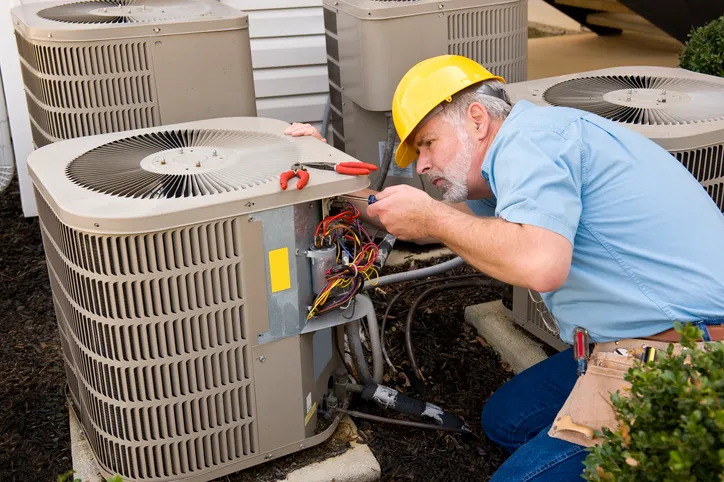
Schedule Now
Don't let the Texas heat catch you off guard this season. Secure your comfort and protect your investment with a professional inspection that guarantees peace of mind.
Schedule your AC tune-up today to ensure peak performance all summer long.
What Our Clients Say
Hear from our satisfied customers about their experiences.
Your Comfort is Our Priority
Experience top-notch AC repair and maintenance services tailored to your needs. Schedule your service today!
