
Heat Pump Installation in Round Rock, TX

Overcoming Heat Pump Installation Costs and Efficiency Challenges
Are you grappling with the high costs of heat pump installation and unsure if the investment will actually lower your monthly bills? Many homeowners in Round Rock delay necessary HVAC upgrades because the upfront numbers seem daunting, yet they continue to pay excessive amounts for inefficient heating and cooling. Discover how you can cut down expenses with energy-efficient solutions by calling us at or checking your eligibility for financing today.
AC Superheroes specializes in bridging the gap between high-performance equipment and your budget.
- Save up to 30% on installation costs by leveraging current local rebates and federal tax incentives.
- Experience fast, same-day installation options to restore your home’s comfort immediately.
- Increase your home’s energy efficiency year-round, handling Texas heat and chill with a single unit.
All services are fully insured, licensed, and compliant with current Texas energy regulations.
How We Make Heat Pump Installation Affordable and Efficient
The perception that heat pump installation is prohibitively expensive often stems from a lack of clarity regarding long-term return on investment (ROI) and available financial aids. In Central Texas, where the climate shifts from humid subtropical to semi-arid conditions, a heat pump is often the most logical financial choice compared to maintaining separate furnace and air conditioning systems. The efficiency of a modern heat pump is measured in SEER2 (Seasonal Energy Efficiency Ratio) for cooling and HSPF2 (Heating Seasonal Performance Factor) for heating. We prioritize installing units that exceed standard efficiency ratings, which directly translates to lower amperage draw and reduced electricity usage.
Affordability is not just about the sticker price; it is about the total cost of ownership. We help you navigate the complex landscape of incentives. The Inflation Reduction Act and various local utility programs in the Texas region offer substantial rebates for homeowners who switch to high-efficiency electric appliances. By identifying these opportunities during the proposal phase, we can significantly reduce the net cost of the project. Furthermore, modern inverter-driven heat pumps modulate their speed rather than cycling on and off, which prevents the energy spikes that typically inflate utility bills.
Correct sizing is another critical factor in efficiency. An oversized unit will short-cycle, leading to humidity issues and premature wear, while an undersized unit will run constantly without reaching the set temperature. We perform precise load calculations ensuring the equipment matches the specific thermal envelope of your home in Round Rock. This attention to detail ensures that you are not paying for capacity you do not need, nor are you installing a unit that will fail to perform during the peak of summer.
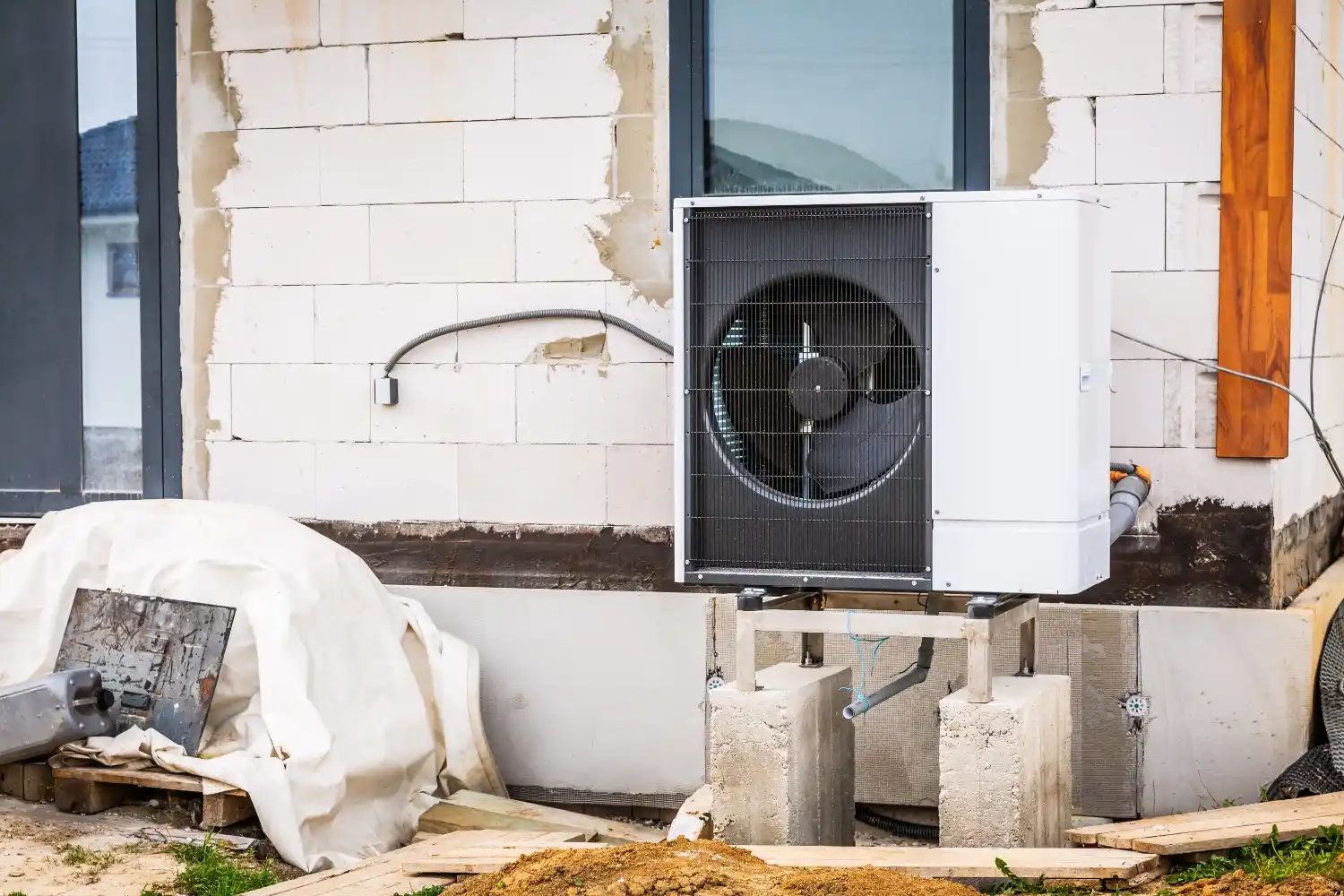
What You Get: Transparent Pricing and Fast Installation
When you approve an installation proposal, clarity and speed are paramount. You are not just buying a piece of equipment; you are purchasing a comprehensive service that includes removal, site preparation, installation, and calibration. We believe in providing a flat-rate price before any work begins so there are no surprise fees for "unforeseen" electrical work or duct modifications.
Our installation package is comprehensive. It includes the safe recovery of refrigerant from your old system, ensuring no environmental hazards are released. We handle the disposal of the old unit, keeping your property clean. The new installation covers the outdoor condenser, the indoor air handler, and the necessary line sets that connect them. We also include a new, compatible thermostat or the integration of your existing smart thermostat if it is compatible with the new heat pump protocols.
Speed is essential, especially when your current system has failed during a heatwave or a cold snap. We maintain a robust inventory of high-demand units suitable for the Texas climate. This allows us to offer same-day or next-day installation in many cases. Our teams arrive with fully stocked trucks, carrying the necessary disconnect boxes, whips, hurricane pads, and transition plenums to complete the job in a single visit. You get a fully functional system within hours, not days.
Installation Process: From Free Consultation to Post-Service Support
A successful heat pump installation follows a rigorous, technical workflow designed to maximize the lifespan of the equipment. We do not skip steps. Every action taken by our technicians is aimed at ensuring the system holds pressure, drains correctly, and communicates effectively with the thermostat.
Site Evaluation and Load Calculation
The process begins with a physical inspection of your current ductwork, electrical panel, and available space. We perform a Manual J load calculation to determine the exact heating and cooling British Thermal Units (BTUs) required for your specific square footage and insulation levels.
System Selection and Proposal
Based on the evaluation, we present options ranging from single-stage standard efficiency units to variable-speed high-efficiency systems. We outline the warranty terms, estimated energy savings, and final costs for each option.
Removal and Site Prep
Technicians disconnect the electrical supply and carefully remove the existing HVAC equipment. We inspect the copper line sets; if they are compatible and in good condition, they are flushed. If not, new copper lines are run to ensure no contaminants damage the new compressor. We also prepare the ground pad or mounting brackets to ensure the outdoor unit is level and elevated above potential standing water.
Equipment Installation
The indoor air handler is set and sealed to the existing supply and return plenums to prevent air leakage. The outdoor unit is positioned, and the refrigerant lines are brazed using nitrogen purging. This step is critical; flowing nitrogen while brazing prevents carbon buildup inside the pipes, which can clog the sensitive metering devices in modern heat pumps.
Vacuum and Charge
Once connected, we pull a deep vacuum on the refrigerant lines to remove all moisture and non-condensables. Moisture in the lines is the leading cause of compressor failure. After validating the vacuum holds, we weigh in the precise amount of refrigerant required by the manufacturer.
Electrical and Control Wiring
We install a new electrical disconnect box and whip for safety. Low-voltage control wires are connected to the thermostat, ensuring that features like emergency heat and fan-only modes function correctly.
Testing and Commissioning
The system is powered on and tested in both heating and cooling modes. We measure the static pressure in the ducts to ensure proper airflow and check the temperature split (the difference between air entering and leaving the unit) to confirm optimal performance.
Final Walkthrough
We walk you through the operation of the new system, show you how to change the filter, and explain the maintenance requirements to keep your warranty valid.
Comparing Costs: When Installation Is More Economical Than Repair
Deciding between repairing an aging unit and installing a new heat pump is a common dilemma. While a repair offers a lower immediate price tag, it is often a "band-aid" solution that delays the inevitable while energy bills continue to rise. We utilize a straightforward approach to help you decide.
Consider the "50% Rule." If the cost of the repair approaches 50% of the value of a new system, replacement is generally the smarter financial move. This is particularly true if your current equipment is over 10 years old. Heat pumps in Texas endure long run times due to the extended cooling season, and compressors typically see significant wear after a decade.
Efficiency degradation is another hidden cost. A 12-year-old system may have been rated 10 SEER when new, but due to coil corrosion and compressor wear, it may effectively operate at 8 SEER today. Replacing it with a modern 16 or 18 SEER2 heat pump can reduce electricity consumption by over 40%. AC Superheroes helps you calculate these savings to project your break-even point—the date when the monthly savings cover the cost of the installation.
Freon availability also dictates this decision. Older systems utilize R-22 refrigerant, which has been phased out and is now astronomically expensive to procure. If your old unit has a refrigerant leak, topping it off is essentially throwing money away. New heat pumps use R-410A or the newer R-454B refrigerants, which are compliant with environmental standards and cheaper to service.
Local Expertise: Adhering to Texas Climate Demands and Regulations
Installing a heat pump in Round Rock requires specific knowledge of local building codes and climate challenges. The installation standards here differ from those in northern or coastal states. Our technicians are well-versed in the specific requirements of the region.
Humidity Management
Eastern and Central Texas can experience high humidity. We configure the blower motor speeds on your heat pump to maximize moisture removal during the cooling cycle. Proper dehumidification is essential for indoor air quality and preventing mold growth in ductwork.
Electrical Code Compliance
Local codes often require specific breaker sizes and wire gauges for heat pumps, especially those with auxiliary electric heat strips. We ensure that your main panel can handle the load and that all high-voltage connections meet the National Electrical Code (NEC) and local municipal amendments.
Permitting and Inspection
Most jurisdictions require a mechanical permit for HVAC replacements. We handle the administrative burden, filing the permit application and scheduling the required city inspection to verify the safety of the installation.
Heat Strip Sizing
While heat pumps are efficient, the occasional Texas freeze requires backup heating. We size the auxiliary electric heat strips to provide sufficient emergency heat without overloading your electrical service. This ensures you stay warm even if the outdoor temperature drops below the heat pump's balance point.
Outdoor Unit Placement
We strategically place the outdoor unit to comply with local noise ordinances and setback requirements from property lines. We also consider sun exposure and airflow to ensure the unit can dissipate heat efficiently during the scorching summer months.
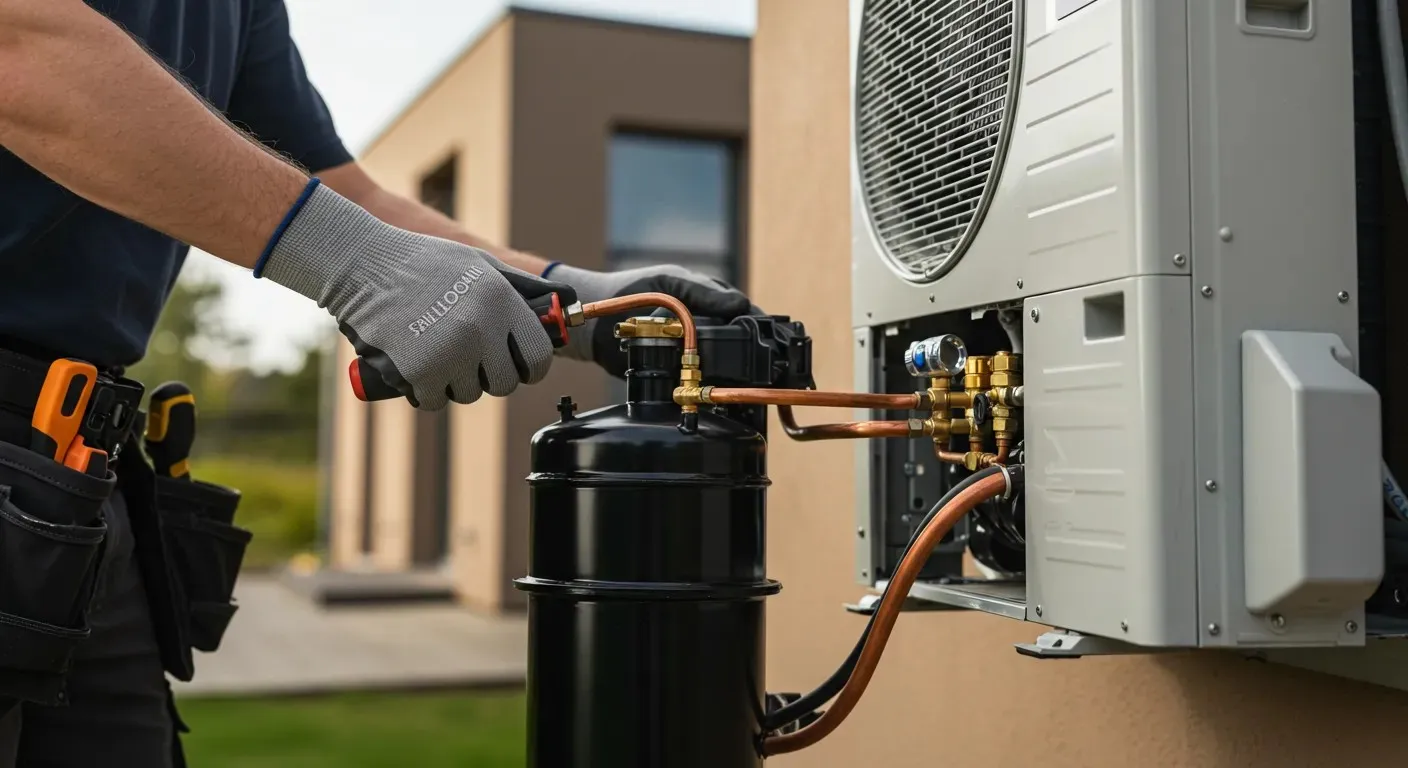
Why Locals Trust Us for Heat Management
Homeowners choose us because we prioritize technical accuracy and long-term reliability over high-pressure sales tactics. We understand that a heat pump is a major structural component of your home, and its performance affects your daily life.
Our technicians are NATE-certified, meaning they have passed rigorous exams validating their real-world working knowledge of HVAC systems. We do not use subcontractors for our core installations; every technician entering your home is vetted, trained, and accountable to our high standards. We provide robust labor warranties that match the manufacturer’s parts warranties, giving you peace of mind that if an issue arises, you are covered.
We also focus on education. We explain how a heat pump works—transferring heat rather than generating it—so you understand how to operate it for maximum savings. For example, we teach homeowners why "setting and forgetting" the thermostat is often more efficient for heat pumps than aggressive setbacks. Our commitment to the community extends beyond the install day; we offer ongoing maintenance plans to clean coils and check refrigerant levels, ensuring your investment pays dividends for years to come.
When you are ready to upgrade your comfort and lower your energy costs, choose the team that understands the science of heating and cooling.
Ready to secure your home’s comfort with a high-efficiency heat pump? Contact us today to schedule your consultation.
What Our Clients Say
Hear from our satisfied customers about their experiences.
Your Comfort is Our Priority
Experience top-notch AC repair and maintenance services tailored to your needs. Schedule your service today!
