
Heat Pump Repair in Round Rock, TX

Quick Fixes for Your Heat Pump Woes
When your heat pump suddenly quits or just doesn't heat or cool effectively, every minute counts. Let us bring back your comfort today with fast, reliable repair services. Contact us immediately to schedule a diagnostic visit and restore your home's temperature.
Living in Round Rock, TX, means relying on a versatile system that can handle blistering summers and sudden winter freezes. When that system fails, you need a solution that goes beyond a quick patch. You need a comprehensive repair that addresses the root cause, ensuring you aren't left stranded without climate control when the next temperature swing hits. AC Superheroes provides the technical expertise required to handle these complex systems.
- Emergency and same-day repair availability to minimize downtime.
- Highly trained technicians equipped to handle both minor component swaps and major system overhauls.
- Transparent pricing structures that explain the cost of parts and labor before any work begins.
- Licensed repairs backed with a satisfaction guarantee and flexible financing options.
Restoring Your System's Performance Immediately
A broken heat pump in Texas is an emergency, regardless of the season. Unlike a standard furnace or air conditioner, a heat pump works year-round, meaning it accumulates wear and tear twice as fast as standalone units. When performance drops, the goal is to diagnose the issue accurately and implement a fix that restores energy efficiency and comfort.
Upon arrival, a technician focuses on immediate stabilization of the unit. This involves checking the thermostat communication, ensuring power is reaching the outdoor unit, and verifying that the indoor air handler is circulating air. The priority is to determine if the system has suffered a catastrophic failure or if a specific component, such as a capacitor or contactor, has simply worn out.
Many heat pump issues manifest as "soft failures" before the system dies completely. You might notice the auxiliary heat strip running constantly, leading to skyrocketing electric bills, or the outdoor unit making grinding noises while struggling to switch modes. Professional repair addresses these inefficiencies instantly. By recalibrating refrigerant levels and securing electrical connections, the system often returns to peak performance within hours of the technician’s arrival.
A Transparent Approach to Heat Pump Diagnostics and Repair
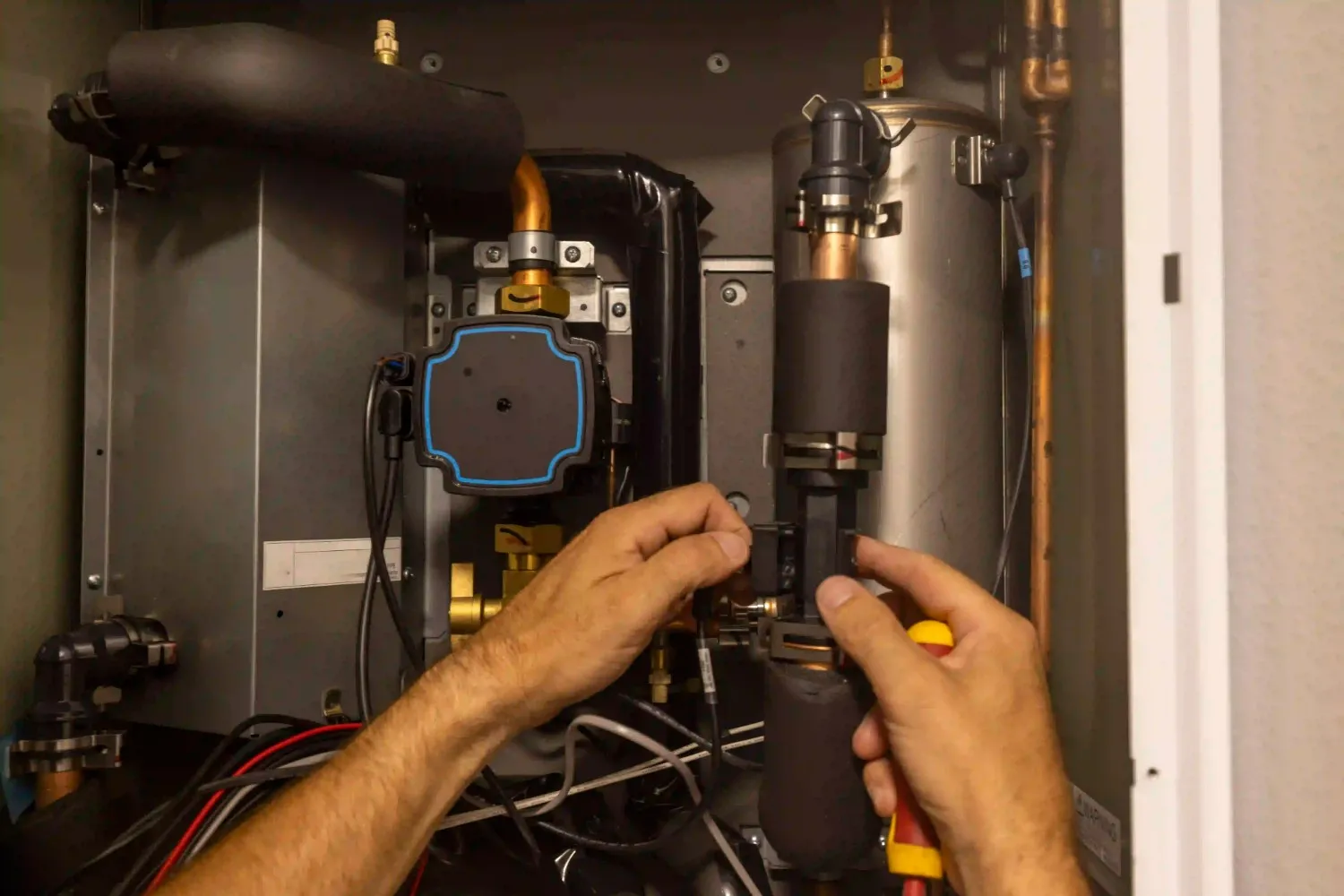
Understanding what is happening with your HVAC system eliminates the anxiety associated with repairs. The process focuses on a logical, step-by-step assessment of the heat pump’s mechanical and electrical components. This ensures that you never pay for parts you do not need and that the repair performed is the correct solution for the long term.
- First, the technician performs a static test of the electrical components, measuring voltage and amperage to ensure the compressor and fan motors are receiving the correct power.
- Next, gauges are attached to the service ports to measure refrigerant pressures. This step is critical for heat pumps, as an incorrect charge can cause the coils to freeze in summer or fail to extract heat in winter.
- Then, the reversing valve is tested. This component is specific to heat pumps and is responsible for switching the unit between heating and cooling modes. If this valve is stuck, the system will only operate in one mode.
- After diagnosing the core issue, you receive a detailed explanation of the problem, a flat-rate quote for the repair, and a timeline for completion.
- Finally, once the repair is approved and completed, the system is cycled through both heating and cooling modes (if weather permits) to verify full functionality before the technician departs.
Identifying the Root Cause of System Failure
Heat pumps are sophisticated machines that rely on a delicate balance of pressure and temperature. In areas like Austin, Houston, and San Antonio, where humidity fluctuates and temperatures can swing 40 degrees in a day, these systems face unique stressors. Identifying the specific failure point helps in deciding whether a simple part replacement will suffice or if more extensive work is needed.
The Reversing Valve Dilemma
The most distinct feature of a heat pump is the reversing valve. When you switch your thermostat from "Cool" to "Heat," a solenoid activates this valve, reversing the flow of refrigerant. If the valve gets stuck, you might find yourself with a system that blows cold air perfectly fine but refuses to generate heat when a cold front hits Round Rock. Repairing or replacing the solenoid is often enough, but in some cases, the entire valve body must be replaced, which involves brazing and refrigerant handling.
Refrigerant Leaks and Efficiency
A heat pump cannot function without the correct amount of refrigerant. Unlike a gas furnace that burns fuel, a heat pump moves heat. If the refrigerant level is low due to a leak, the system works overtime to move less heat. This not only results in poor temperature control but can also cause the compressor to overheat and fail. Finding the leak—whether it is in the evaporator coil, the condenser coil, or a line set joint—is the primary task. Simply "topping it off" is not a repair; the leak must be sealed or the component replaced.
Electrical and Sensor Failures
Modern heat pumps are laden with sensors that monitor outdoor temperature, coil temperature, and pressure. If a defrost sensor fails during a Texas winter, the outdoor unit may freeze into a block of ice because it doesn't know when to initiate the defrost cycle. Conversely, faulty wiring or a bad capacitor can prevent the outdoor fan from spinning, causing high pressure that shuts down the system safety switch.
Making the Choice Between Repair and Replacement
Deciding whether to pour money into an aging unit or invest in a new system is a financial calculation. While repair is often the fastest route to comfort, there are specific thresholds where replacement becomes the more prudent financial decision.
- The 50% Rule: If the cost of the repair approaches or exceeds 50% of the value of the system (or the cost of a new unit), replacement is generally recommended. Major failures like a blown compressor or a leaking coil on an out-of-warranty unit often fall into this category.
- System Age: Heat pumps in Texas typically last between 10 to 15 years due to their year-round usage. If your unit is over 12 years old and requires a significant repair, the money is often better spent on a modern, high-efficiency system with a new warranty — view our promotions.
- Refrigerant Type: If your older system utilizes R-22 (Freon), repair costs can be exorbitant because this refrigerant is phased out and scarce. Newer systems use R-410A or A2L refrigerants, which are standard and more environmentally friendly.
- Frequency of Breakdowns: If you have required repairs more than twice in the last two years, the system is likely nearing the end of its reliable lifespan. Continued repairs essentially become "throwing good money after bad."
AC Superheroes helps you weigh these factors by providing a clear assessment of the current unit's condition against the potential energy savings of a new installation.
Navigating Local Climate Challenges and Regulations
Operating a heat pump in Round Rock and the broader Central Texas region comes with specific environmental challenges that dictate how repairs are handled. The high humidity in the region puts a significant latent load on the system during the cooling season, meaning the unit must run longer to dehumidify the air. If the repair does not address airflow and coil cleanliness, the home may feel cool but clammy — explore our maintenance plan.
Conversely, during the winter, temperatures can drop near or below freezing. Heat pumps lose efficiency as the outdoor temperature drops. When the temperature dips below the "balance point" (usually around 30-35°F), the system relies on auxiliary heat strips. If these electric resistance heaters are burned out or disconnected, the heat pump may blow lukewarm or cold air during a freeze. Checking the amperage draw of these heat strips is a standard part of the repair process in this region to ensure winter readiness.
Regarding regulations, major repairs that involve opening the refrigerant circuit or replacing the condenser unit may require adherence to local municipal codes. Handling refrigerants requires EPA 608 certification to ensure no harmful chemicals are vented into the atmosphere. Professional technicians adhere to all local permitting requirements and safety codes, ensuring that your repair is not only effective but also legal and safe for your home.
Why Specialized Heat Pump Expertise Matters
Heat pumps are more mechanically complex than standard air conditioners. A technician who primarily works on gas furnaces and straight-cool AC units may miss the nuances of a heat pump's defrost board or the specific superheat and subcooling requirements of the reversing cycle. Incorrect diagnostics can lead to parts being changed unnecessarily while the underlying issue remains unsolved.
We employ technicians who undergo specific training on heat pump thermodynamics and electrical controls. This ensures that whether you have a variable-speed inverter system or a standard single-stage unit, the diagnosis is precise. The trucks are stocked with universal parts such as defrost control boards, capacitors, and contactors to facilitate same-day repairs whenever possible.
Furthermore, we understand the local infrastructure. From power surges common in the Texas grid affecting sensitive inverter boards to the biological growth that can clog drain lines in humid climates, the approach is tailored to the specific operating environment of your home.
Secure Your Comfort with Professional Repair
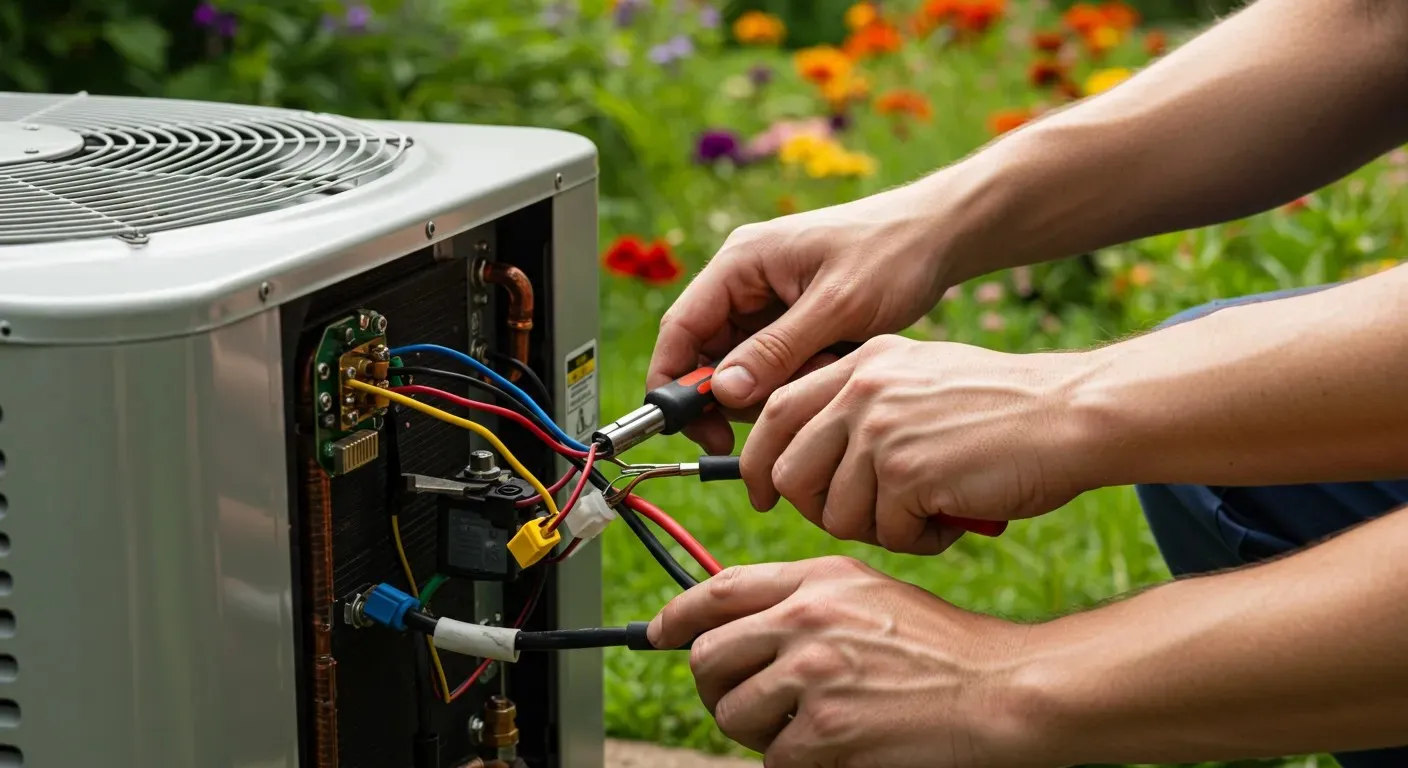
Ignoring a struggling heat pump often leads to higher energy bills and the risk of total system failure during extreme weather. Whether the unit is making strange noises, failing to hold temperature, or causing the lights to flicker when it starts, immediate professional attention is required.
Do not let a minor mechanical issue escalate into a premature system replacement. Trust a team that understands the complexities of heat pump technology and the demands of the local climate.
Schedule your heat pump repair today and ensure your home stays comfortable all year round.
What Our Clients Say
Hear from our satisfied customers about their experiences.
Your Comfort is Our Priority
Experience top-notch AC repair and maintenance services tailored to your needs. Schedule your service today!
