
Heat Pump Replacement in Bee Cave, TX

Feeling the Heat? Beat the Texas Sun with a New Heat Pump
Tired of inconsistent temperatures and high energy bills during Bee Cave's scorching summers? It might be time to replace your outdated heat pump. An inefficient system struggles to combat the high humidity and 90°F+ days typical of the region, leaving your home uncomfortable and your wallet drained. For immediate assistance with sizing or installation, call us now or inquire about our flexible financing options.
AC Superheroes specializes in diagnosing system failures and providing high-efficiency replacements that restore comfort to your home.
- Experience faster relief from the heat with our streamlined installation services.
- Enjoy lower energy bills and improved efficiency with a modern, high-SEER heat pump.
- Gain peace of mind with a comprehensive warranty and professional servicing.
Fully licensed and insured, we handle all permits and offer flexible financing options to make your upgrade seamless.
Securing Long-Term Efficiency and Comfort
Upgrading your HVAC system is not just about swapping out a metal box; it is an investment in the long-term livability of your home. Homeowners in Bee Cave face specific climate challenges, including intense humidity in the summer and occasional freezing dips in the winter. A modern heat pump replacement addresses these variables with advanced technology that older units simply cannot match.
When you authorize a replacement today, you are securing a system designed for current Department of Energy standards. Modern units feature higher SEER2 (Seasonal Energy Efficiency Ratio) and HSPF2 (Heating Seasonal Performance Factor) ratings. This translates to a system that moves heat more effectively rather than generating it, which is the core mechanism of a heat pump. By transferring heat out of your home in the summer and pulling latent heat from the outdoor air in the winter, the system maintains equilibrium without excessive energy consumption.
The scope of a replacement includes more than just the outdoor condenser. It involves a holistic assessment of your current infrastructure. This ensures that the new unit communicates correctly with your thermostat, utilizes the existing ductwork efficiently, and drains condensate properly to prevent water damage. You receive a complete system overhaul that includes the removal of the old equipment, proper disposal of hazardous refrigerants, and the installation of a matched indoor and outdoor unit set.
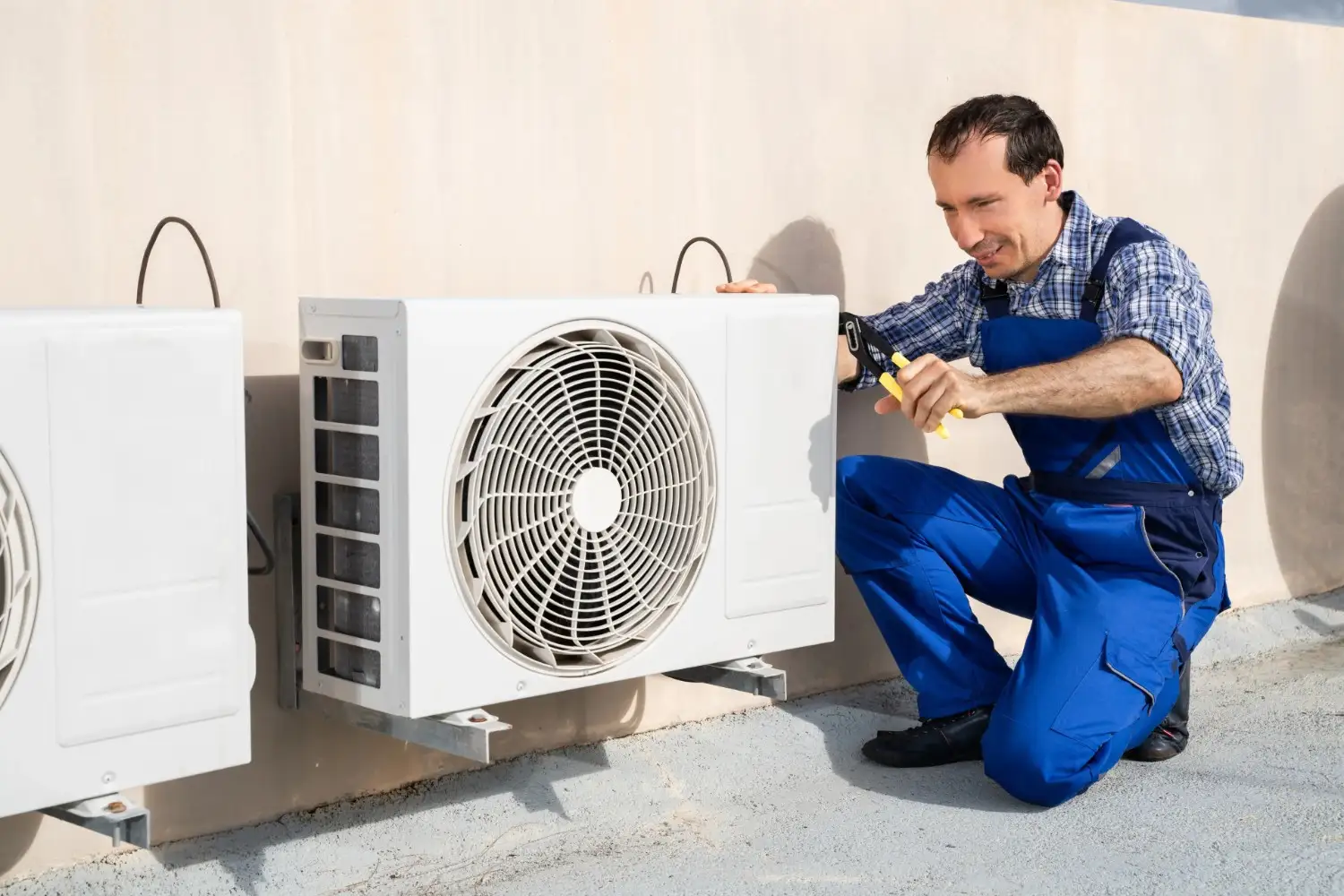
The Installation Process From Assessment to Airflow
A professional installation follows a rigorous, step-by-step protocol to ensure the longevity of the equipment. We do not rely on guesswork; every step is calculated to meet manufacturer specifications and local building codes.
Load Calculation and Sizing
First, technicians perform a Manual J load calculation. This is a critical step that many overlook. It determines the exact heating and cooling requirements of your specific floor plan, insulation levels, and window orientation. An undersized unit will run constantly and fail to cool the home, while an oversized unit will short-cycle, leading to humidity issues and premature wear.
Site Preparation and Safety Checks
Next, the workspace is prepared to protect your property. Power is disconnected from the existing unit to ensure electrical safety. The area around the outdoor pad is cleared of debris. Technicians verify that the existing electrical circuit and breaker amperage are compatible with the new, high-efficiency equipment.
Refrigerant Recovery and Removal
Then, the existing refrigerant is recovered from the old unit into certified recovery cylinders. Venting refrigerant into the atmosphere is illegal and environmentally harmful. Once the system is empty, the old condenser and air handler are disconnected and removed from the premises.
Setting the New Equipment
After removal, the new indoor evaporator coil and air handler are positioned. The outdoor condenser is set on a level pad to ensure proper operation and vibration isolation. If the pad has settled or cracked over time, it is leveled or replaced to prevent stress on the refrigerant lines.
Connecting the Lines and Electrical
Technicians then braze the copper refrigerant lines, flowing nitrogen through the pipes during the process to prevent oxidation and carbon buildup inside the system. Electrical connections are tightened to specific torque settings. The condensate drain line is installed with a safety switch to shut off the unit if a blockage occurs, preventing water damage to your ceilings or floors.
System Vacuum and Charging
Before releasing the new refrigerant, a deep vacuum is pulled on the system to remove all moisture and non-condensable gases. This is vital for the compressor's life. Once the vacuum holds, the factory-supplied refrigerant is released, and the charge is fine-tuned based on "subcooling" and "superheat" measurements to match the day’s weather conditions.
Final Commissioning
Finally, the system is powered on and tested. Airflow is measured, and the thermostat is programmed. The technician verifies that the temperature drop across the coil is within the manufacturer's specified range, confirming the unit is cooling or heating effectively.
Determining When Replacement Outweighs Repair
Deciding between another repair bill and a full system replacement is a financial and logical analysis. While a quick fix might seem cheaper in the short term, the cumulative cost of repairs on an aging system often exceeds the value of a new installation — view current promotions today.
The Age Factor and the 50% Rule
Industry standards suggest that if a heat pump is over 10 to 15 years old, it is approaching the end of its useful life. In the Texas climate, where systems run heavily for most of the year, wear and tear accelerate this timeline. A common guideline is the "50% Rule": if the cost of the repair approaches 50% of the value of the system (or the cost of a new one), replacement is the more prudent financial choice.
Refrigerant Obsolescence
If your current system utilizes R-22 (Freon), you are dealing with a phased-out refrigerant. Production of R-22 has ceased due to environmental regulations. As supply dwindles, the cost to recharge an old leaking system has skyrocketed. Investing money into a system that relies on obsolete refrigerant is often considered throwing good money after bad. New systems use R-410A or newer, eco-friendly alternatives that are readily available and more efficient.
Compressor Failure
The compressor is the heart of the heat pump. If the compressor fails or the reversing valve sticks (preventing the switch between heating and cooling), the repair is major. Because the compressor is the most expensive component, a failure here usually signals that the rest of the components are also near the end of their lifecycle. Replacing the entire unit resets the warranty clock and ensures reliability.
Frequency of Breakdowns
If you find yourself calling for service multiple times a year, the system has become unreliable. Frequent breakdowns are a sign of systemic failure. A replacement eliminates the stress of wondering if your AC will work on the hottest day of the year.
Navigating Local Requirements and Climate Factors
Installing a heat pump in the Bee Cave area requires adherence to specific municipal codes and an understanding of the local environment. Compliance is not optional; it ensures the safety of your home and the validity of your homeowner's insurance.
Permitting and Inspections
Local municipalities require permits for HVAC replacements. This process includes submitting the equipment specifications to the city to prove compliance with energy codes. After installation, a third-party inspection may be required to verify that the electrical connections, gas lines (if dual fuel), and condensate drains meet safety standards. Professional installers manage this paperwork, ensuring that your project is legal and documented.
Handling High Humidity
The Hill Country climate is characterized by high humidity. Standard single-stage heat pumps run at full capacity and then shut off. This often cools the air quickly but doesn't run long enough to remove moisture, leaving the house feeling clammy. Variable-speed or two-stage heat pumps are superior in this region. They can run at lower speeds for longer durations, effectively acting as whole-home dehumidifiers while maintaining a consistent temperature.
Winter Performance in Texas
While winters are mild, temperatures do drop below freezing. Modern heat pumps are equipped with defrost boards that monitor coil temperature. When frost builds up on the outdoor unit during heating mode, the system temporarily reverses to melt the ice. AC Superheroes ensures that the auxiliary heat strips (electric resistance heat) are correctly sized to provide backup warmth during these defrost cycles or when the outdoor temperature drops below the heat pump’s balance point.
Why Professional Execution Matters
The performance of a heat pump relies heavily on the quality of the installation. Studies indicate that a significant percentage of HVAC equipment is installed incorrectly, leading to efficiency losses of up to 30%. A high-quality unit installed poorly will perform worse than a mid-range unit installed perfectly.
Airflow Management
Ductwork is the circulatory system of your HVAC setup. If the ducts are undersized, leaking, or restricted, the new heat pump cannot deliver the air where it is needed. Professional replacement includes inspecting the plenum and transition points. If the new unit pushes more air than the old ducts can handle, static pressure builds up, which can blow out blower motors and increase noise levels. Proper airflow adjustments are mandatory for achieving the SEER ratings listed on the yellow energy guide sticker.
Electrical Integrity
Heat pumps draw significant power. Loose connections or undersized wire gauges create fire hazards and cause voltage drops that damage sensitive electronic control boards. Certified technicians use calibrated tools to ensure every wire is secure and the system is grounded properly.
Warranty Validation
Manufacturers offer robust warranties, often ranging from 10 to 12 years on parts. However, these warranties are contingent on proof of professional installation and regular maintenance. DIY or handyman installations often void these protections immediately. By choosing a licensed provider, you ensure that the paperwork is filed correctly and your investment is protected against manufacturing defects.
Final Thoughts on System Upgrades
Replacing a heat pump is a significant decision that impacts your daily comfort and monthly budget. By transitioning to a modern, high-efficiency system, you eliminate the uncertainty of aging equipment and gain precise control over your indoor climate. The technology available today offers quieter operation, superior humidity control, and lower energy consumption compared to units manufactured just a decade ago.

Contact Us Now
Whether you are preparing for the peak of summer or ensuring warmth for the winter months, a professional replacement provides a reset on your home's HVAC reliability. AC Superheroes is committed to delivering technical excellence and ensuring your new system performs optimally for years to come.
Upgrade your comfort and efficiency today—contact us to schedule your heat pump replacement consultation.
What Our Clients Say
Hear from our satisfied customers about their experiences.
Your Comfort is Our Priority
Experience top-notch AC repair and maintenance services tailored to your needs. Schedule your service today!
