
Heat Pump Replacement in Round Rock, TX

Your Heat Pump Should Keep You Comfortable, Not Frustrated
Is your heat pump failing to maintain a consistent temperature just when the Round Rock weather takes a turn for the worse? Don’t let a malfunctioning system compromise your home’s comfort or safety; contact us immediately to schedule an assessment or discuss our flexible financing options. AC Superheroes provides the expertise required to restore your indoor climate quickly and efficiently.
- Get a comprehensive system evaluation and replacement options from certified experts.
- Enjoy peace of mind with our straightforward warranties and transparent financing plans.
- Take advantage of available state and federal rebates on high-efficiency models to offset initial costs.
All installations are fully up-to-code, with detailed attention paid to local permits and safety standards to ensure your new system operates legally and safely.
What to Expect From a Modern Heat Pump Installation
Replacing a heat pump is a significant investment in your property and your long-term comfort. When you choose a professional replacement service, you are not simply purchasing a metal box to sit outside your home. You are investing in a completely integrated climate control system designed to handle the specific heat load of your residence.
In the Round Rock area, where humidity levels fluctuate and temperatures can swing dramatically, an improperly sized unit will result in short-cycling, high humidity, and inflated electric bills. A professional installation begins with a proper load calculation. This ensures the new unit matches the square footage, insulation levels, and window orientation of your home.
When you move forward with a replacement today, the service includes several critical components:
- System Sizing and Selection: Technicians perform a Manual J load calculation to determine exactly how much heating and cooling power your home requires. This prevents the installation of oversized units that cool too quickly without dehumidifying, or undersized units that run constantly without reaching the set temperature.
- Complete Removal: The service includes the safe disconnection and disposal of your old equipment, including the environmentally responsible recovery of old refrigerant (Freon), which cannot be vented into the atmosphere.
- Site Preparation: The area where the outdoor condenser sits is leveled and prepped. If the existing pad is cracked or sinking, it is replaced to ensure the new unit remains stable and vibration-free.
- Ductwork Inspection: A high-efficiency heat pump cannot perform well if it is connected to leaky ductwork. The team inspects accessible ducts and the plenum for leaks or damage that could compromise airflow.
- Thermostat Upgrade: Modern systems often require smart thermostats or communicating control centers to manage variable-speed blowers and two-stage compressors. These controls are installed and calibrated to your preferences.
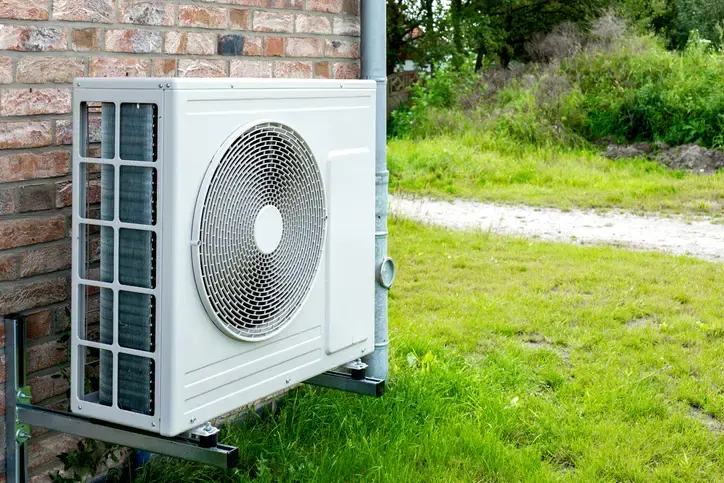
The Installation Process: Step-by-Step
Understanding the timeline and the mechanics of the installation helps you prepare your home and schedule your day. A typical heat pump replacement is a multi-step process that requires electrical expertise, refrigerant handling certification, and general construction knowledge.
The process is designed to be as non-intrusive as possible, keeping your home clean while ensuring the technical specifications of the manufacturer are met.
Arrival and Protection:
The crew arrives with the new equipment and necessary tools. Floor runners and drop cloths are placed in high-traffic areas to protect your flooring from dirt and debris. The team confirms the scope of work with you before beginning any demolition.
Disconnection and Removal:
Power is shut off at the breaker panel and the local disconnect box. Technicians then pump down the refrigerant from the old system or recover it into certified cylinders. The electrical whip and refrigerant lines are disconnected. The old air handler (indoor unit) and heat pump (outdoor unit) are carefully removed from the premises.
Indoor Unit Installation:
The new air handler or furnace coil is positioned. This is a critical step because the indoor unit must be perfectly level to ensure proper condensate drainage. If the unit is in an attic or closet, the team ensures there is adequate clearance for future maintenance. The plenum is sealed to the new unit to prevent air leakage.
Outdoor Unit Installation:
The new condenser is placed on the pad. Technicians braze the copper refrigerant lines to the new unit. This requires flowing nitrogen through the lines during brazing to prevent oxidation inside the pipes, a crucial step for the longevity of modern refrigerants like R-410A or the newer A2L refrigerants.
Electrical and Control Wiring:
High-voltage wiring is connected to the disconnect box and the unit. Low-voltage control wires are connected between the thermostat, the air handler, and the heat pump. This communication loop tells the system when to heat, cool, or defrost.
Vacuum and Charge:
Before releasing the refrigerant, a vacuum pump is used to remove all moisture and air from the lines. This serves as a pressure test to ensure there are no leaks. Once the vacuum holds, the factory refrigerant charge is released, and the system is fine-tuned based on the length of the lineset.
Testing and Walkthrough:
The system is powered on and tested in both heating and cooling modes. Airflow is measured, and temperature differentials are checked. Finally, the technician walks you through the operation of your new thermostat and explains filter maintenance.
When to Replace vs. Repair Your Heat Pump
Deciding between another repair bill and a full system replacement is a common dilemma for homeowners. While a simple capacitor failure or a worn contactor is worth fixing, structural failures in an aging system usually signal that replacement is the more financially sound option.
You should consider replacement if your system aligns with the following criteria:
The Age of the Unit:
Heat pumps in Texas typically last between 10 and 15 years due to the heavy workload of running year-round. If your unit is over 12 years old and requires a major repair, the cost of the repair often yields diminishing returns. New systems are significantly more efficient than models manufactured a decade ago.
The Cost of Repair (The 50% Rule):
A general industry standard is to multiply the age of the unit by the cost of the repair. Alternatively, if the cost of the repair approaches 50% of the value of a new system, replacement is the smarter choice. For example, replacing a compressor or a leaking coil on an out-of-warranty unit is rarely cost-effective.
Rising Energy Bills:
As heat pump components wear out, they draw more amperage to do the same amount of work. If your electricity usage has spiked despite normal weather conditions and consistent usage habits, your heat pump is likely losing its efficiency. Moving from a 10 SEER unit to a modern 16+ SEER2 system can drastically reduce monthly expenses.
Frequent Refrigerant Leaks:
If you find yourself paying to "top off" the refrigerant every season, you have a leak. Continually adding refrigerant is expensive and harmful to the environment. Furthermore, if your system uses older R-22 refrigerant, the cost is prohibitive as that chemical is no longer manufactured.
Uneven Heating or Cooling:
If some rooms in your Round Rock home are freezing while others are sweltering, the heat pump compressor may be losing compression, or the reversing valve may be sticking. When the system can no longer distribute air effectively, comfort suffers regardless of how long the unit runs.
Local Considerations: Permits, Climate, and Codes
Installing a heat pump in this region requires specific knowledge of local building codes and climate demands. The operational environment in Central Texas is unique because the system must handle intense heat rejection in the summer while remaining capable of extracting heat from the air during chilly, damp winter days.
Permitting and Inspections:
Most municipalities, including Round Rock, require a mechanical permit for HVAC replacements. This is for your protection. It ensures the electrical connections are safe, the condensate drains are routed correctly to prevent water damage, and the system meets current energy efficiency standards. A professional service handles the application and scheduling of the final inspection on your behalf.
Electrical Requirements:
Newer heat pumps, particularly high-efficiency variable-speed models, may have different amperage requirements than your old unit. Local codes may require upgrading the electrical whip (the flexible conduit outside) or the disconnect box to meet current safety standards. Grounding requirements must also be verified to prevent electrical hazards.
Climate-Specific Equipment Matching:
In this climate, the "balance point"—the outdoor temperature at which the heat pump needs auxiliary heat—is lower than in northern climates. However, we still experience freezes. Ensuring your system has a properly sized electric heat strip (emergency heat) is vital for those few days when temperatures drop below freezing, ensuring your home remains warm even if the heat pump enters defrost mode.
Utility Rebates and Incentives:
Local utility providers often offer rebates for upgrading to high-efficiency systems. These programs usually require the installation to be performed by a licensed contractor and the equipment to meet specific SEER2 and HSPF2 ratings. It is important to identify these opportunities before installation to maximize your savings.
Why Professional Installation Matters
The longevity and efficiency of your heat pump are determined more by the quality of the installation than the brand of the equipment. A top-tier unit installed poorly will fail sooner and run less efficiently than a mid-range unit installed perfectly.
When you hire AC Superheroes, you are engaging a team that understands the science of airflow and thermodynamics. We do not cut corners on the things you cannot see, such as brazing techniques, nitrogen purging, and duct sealing.
- Licensed and Insured: Working with high-voltage electricity and high-pressure refrigerants carries risks. Professional technicians carry the necessary licenses and insurance to protect your property and liability throughout the project.
- Warranty Registration: Manufacturers often require proof of professional installation to honor their parts warranties. Additionally, many extended labor warranties are only valid if the system is maintained and installed by certified professionals. We handle the registration process to ensure your coverage is active immediately.
- Respect for Your Property: The replacement process involves moving heavy equipment and traversing your home. Professional crews use drop cloths, wear shoe covers, and clean up the workspace thoroughly. The goal is to leave your home more comfortable than it was found, without leaving behind debris or damage.
- Correct Commissioning: The final step of "commissioning" the system involves setting the refrigerant charge to the exact subcooling and superheat targets specified by the manufacturer. This precision adjustment is what delivers the efficiency rating promised on the yellow EnergyGuide tag. Without this step, you may never achieve the energy savings you paid for.
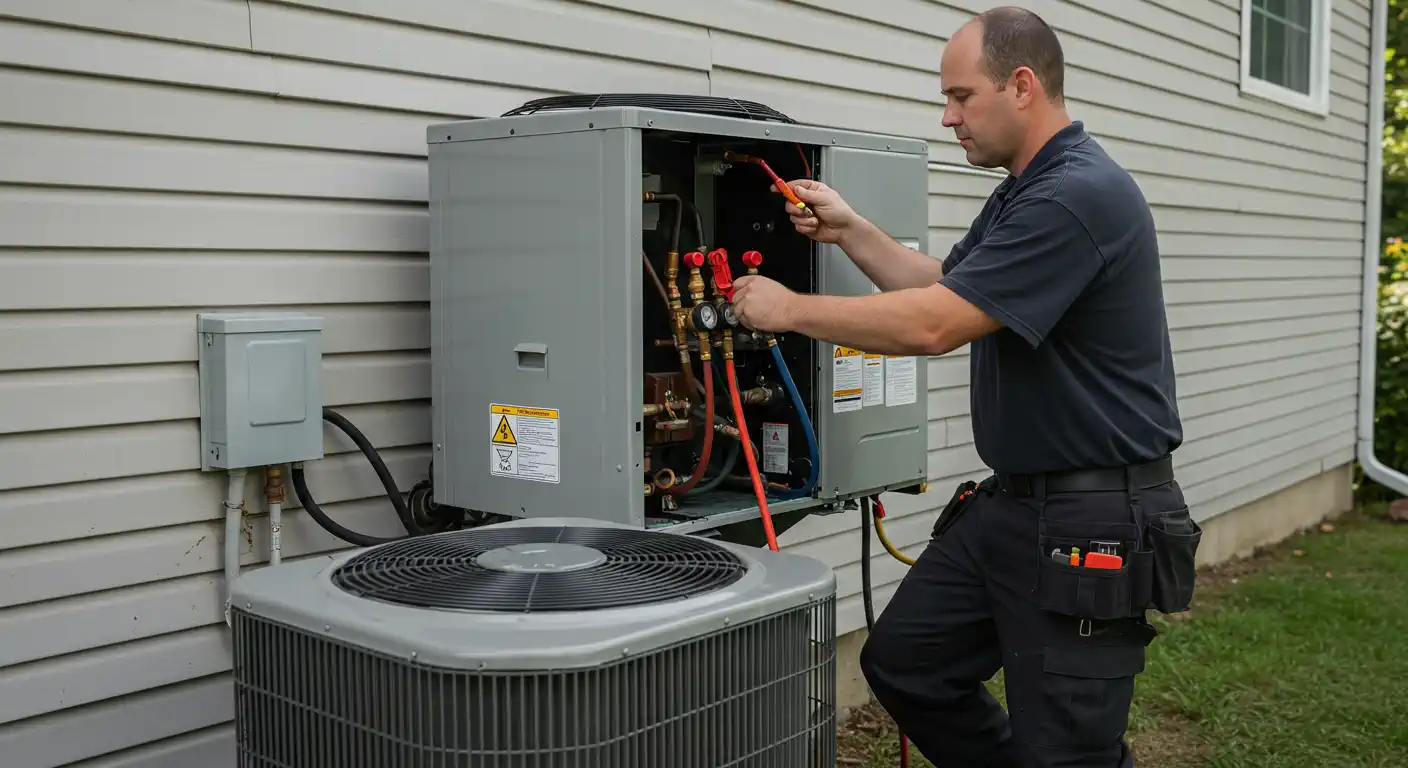
Schedule Service Now
A heat pump replacement is the most effective way to secure reliable comfort for the next decade. By addressing the issue now, you avoid the stress of an emergency breakdown during peak weather extremes.
Take the next step toward a comfortable, energy-efficient home. Contact us today to schedule your consultation and learn more about how a new heat pump can transform your indoor environment.
What Our Clients Say
Hear from our satisfied customers about their experiences.
Your Comfort is Our Priority
Experience top-notch AC repair and maintenance services tailored to your needs. Schedule your service today!
