
Heat Pump Service in Austin, TX

Inconsistent Temperatures and System Failures Require Immediate Action
Is your heat pump failing to keep up with the extreme shifts in Texas weather, leaving you sweating during a heatwave or shivering during a sudden freeze? You deserve a quick, reliable fix that restores your indoor climate without unnecessary delays or hidden fees. Contact us immediately to schedule a diagnostic visit or inquire about financing options.
- Restore your comfort with same-day service available in your area.
- Receive transparent pricing and access to high-efficiency systems tailored specifically for Texas climates.
- Secure year-round performance with maintenance plans designed to prevent breakdowns before they happen.
- Rest assured knowing our technicians are licensed, certified, and ready with all needed permits and warranty-backed work.
Comprehensive Heat Pump Diagnostics and Repair Services
When a heat pump malfunctions in Austin, the issue is rarely as simple as a flipped switch. These systems operate as two-in-one solutions, handling both heating and cooling duties. This dual functionality means they run nearly year-round, accumulating significantly more wear and tear than a standalone furnace or air conditioner. When you request service, the objective is to identify the root cause of the inefficiency or failure immediately.
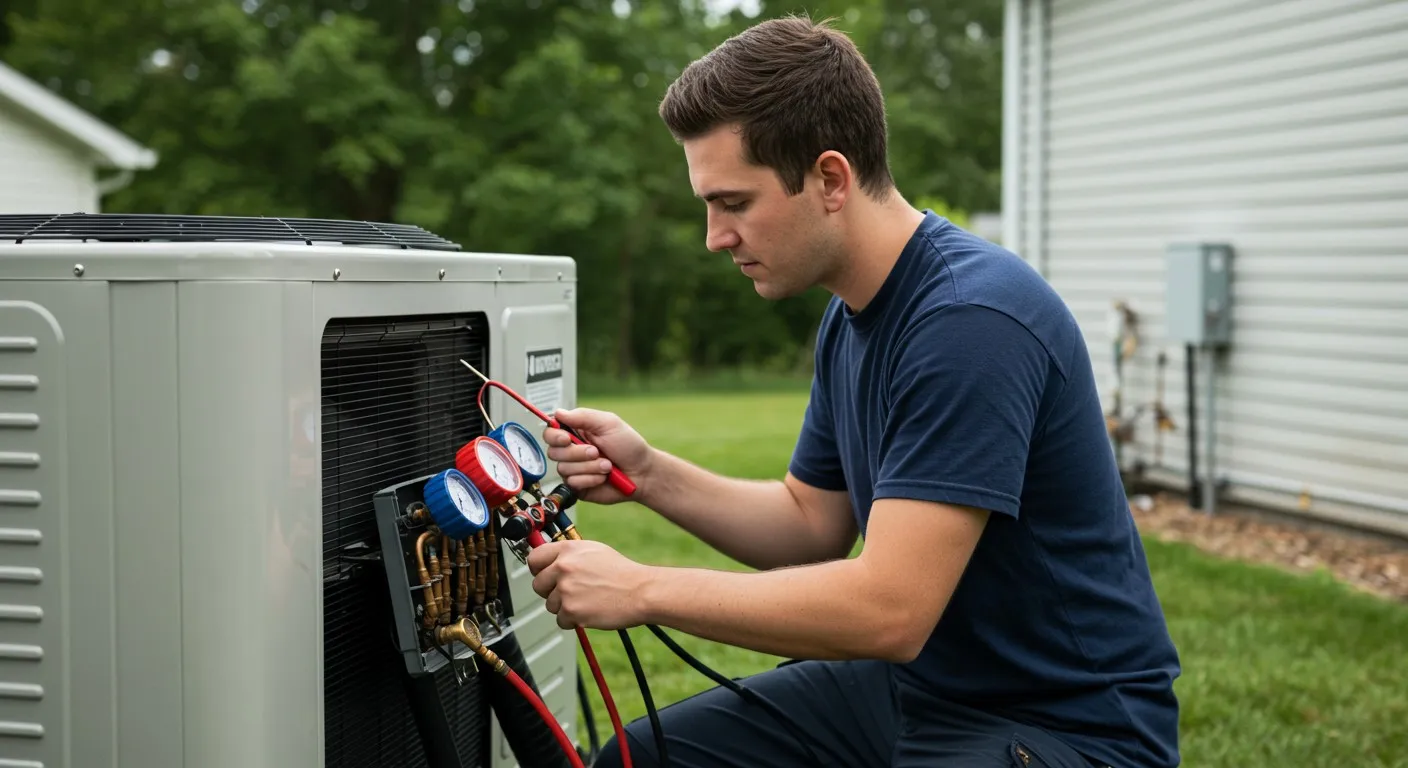
We begin with a thorough evaluation of the system’s thermodynamics and electrical integrity. A heat pump that blows lukewarm air in summer or cold air in winter often suffers from a refrigerant leak or a stuck reversing valve. Our technicians attach gauges to measure subcooling and superheat levels, ensuring the refrigerant charge meets the manufacturer's exact specifications. If a leak is detected, we do not simply top it off; we locate the source of the leak, repair the braze joint or replace the coil, and then recharge the system. This prevents the cycle of recurring repairs and ensures the unit operates efficiently.
Electrical components are another common point of failure. The capacitor, contactor, and defrost board manage the high-voltage power required to run the compressor and fans. In the intense heat, capacitors can swell and fail, preventing the outdoor unit from starting. AC Superheroes technicians inspect these components for signs of pitting, burning, or weak microfarad readings. Replacing a failing capacitor is a minor repair that prevents a major compressor failure. We also verify the operation of the auxiliary heat strips. These electric resistance heaters are critical during those rare but sharp Texas freezes when the heat pump enters defrost mode. If these strips fail, the system will blow cold air while trying to thaw the outdoor coil, dropping your indoor temperature rapidly.
- Refrigerant Charge Verification: We check for leaks and ensure pressure levels are correct for optimal heat transfer.
- Airflow Analysis: We inspect the blower motor, filter, and ductwork to ensure sufficient air is moving across the coils to prevent freezing or overheating.
- Reversing Valve Testing: We confirm the unit shifts correctly between heating and cooling modes, a common failure point in aging systems.
- Thermostat Calibration: We ensure your control interface is communicating correctly with the air handler and condenser.
- Drainage Clearance: We clear condensate drain lines to prevent water damage and safety switch trips that shut down the system.
The Process of Heat Pump Installation and Replacement
Installing a new heat pump is a precise construction project that requires strict adherence to engineering standards. Simply swapping an old unit for a new one of the same size is often a mistake. Homes undergo changes—windows are replaced, insulation is added, or tree cover changes—altering the heating and cooling load. A proper installation begins with a Manual J load calculation. This calculation determines exactly how many BTUs your home requires to maintain a comfortable temperature on the hottest day of the year in Austin. Undersized units run constantly without reaching the set point, while oversized units cycle on and off too quickly, failing to remove humidity and leading to premature wear.
Once the correct size is determined, the physical installation process begins. This involves safely recovering any old refrigerant to comply with EPA regulations before removing the existing equipment. We inspect the existing copper line set to ensure it is compatible with the new, higher-pressure refrigerants like R-410A or the emerging R-454B. If the lines are compromised or incompatible, we run new copper lines. The indoor air handler is positioned and sealed to the plenum to prevent air leakage, which can account for significant efficiency losses.
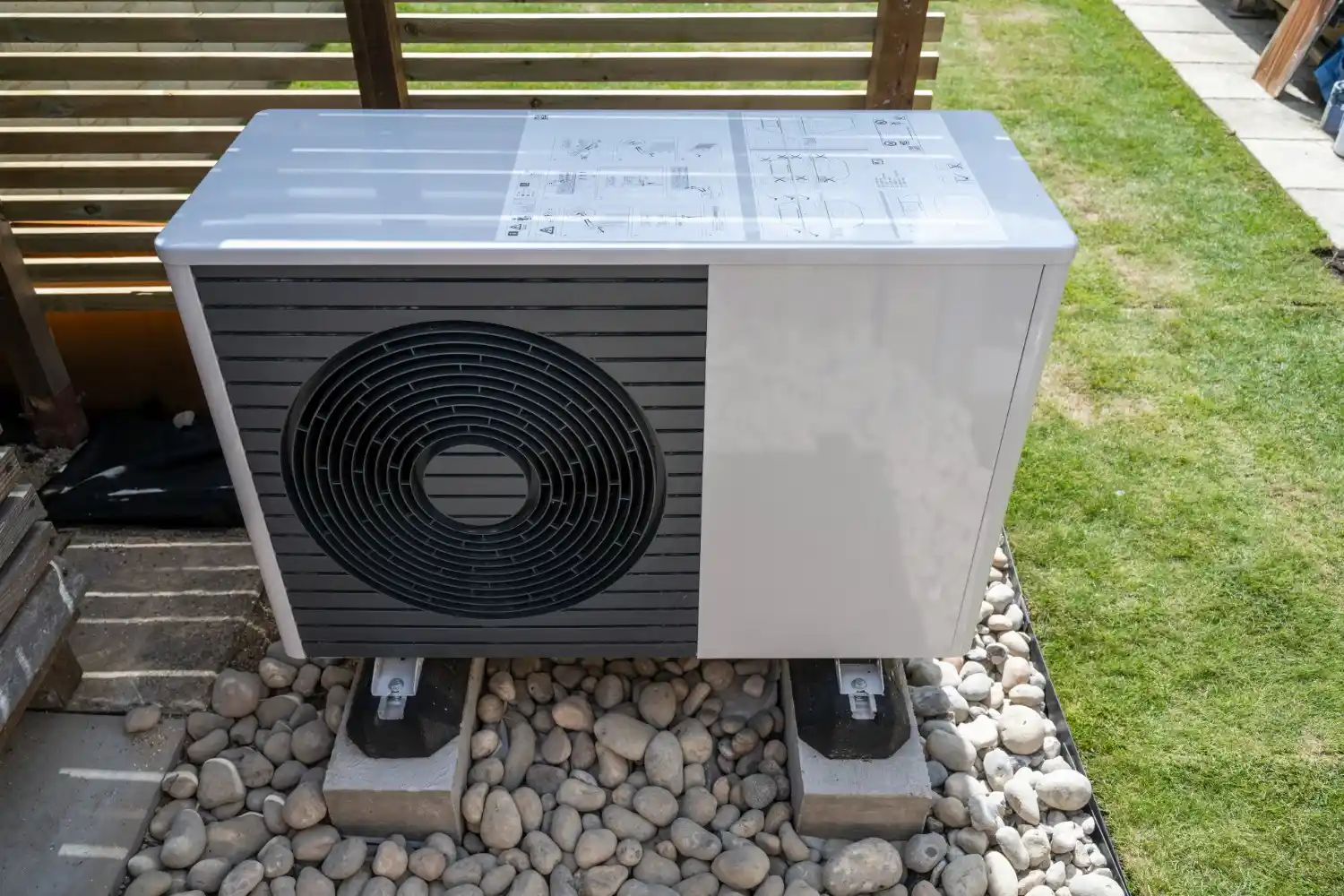
The outdoor unit requires a level, stable pad that elevates it slightly above the ground to allow for proper drainage during defrost cycles and to prevent debris accumulation. We braze the connections using nitrogen to prevent oxidation inside the pipes, a critical step that ensures the longevity of the compressor. After the physical connections are made, a deep vacuum is pulled on the system to remove moisture and non-condensibles. Finally, the system is charged, and a full commissioning process is conducted. This involves testing static pressure, checking temperature splits, and verifying that the auxiliary heat engages correctly.
- Load Calculation: We perform a Manual J calculation to size the equipment perfectly for your specific square footage and insulation values.
- Ductwork Inspection: We evaluate the existing duct system to ensure it can handle the airflow requirements of modern high-efficiency equipment.
- System Matching: We ensure the indoor and outdoor coils are a matched set, as required by AHRI standards for warranty validity and efficiency ratings.
- Electrical Safety: We verify that the circuit breaker and wire gauge are sufficient for the amperage draw of the new system.
- Commissioning and Testing: We run the system through a full cycle in both heating and cooling modes to verify performance benchmarks.
Determining When to Replace vs. Repair Your System
Deciding between another repair bill and a full system replacement is a financial calculation based on age, condition, and efficiency. Heat pumps in this region typically have a lifespan of 12 to 15 years due to their high usage rate. If your system is under ten years old and the repair cost is reasonable, fixing it is usually the right path. However, as the system ages, the risk of a secondary failure increases. Replacing a compressor on a 14-year-old unit is rarely a wise investment, as the reversing valve or coil could fail the following month.
We recommend utilizing the "50% Rule." If the cost of the repair approaches 50% of the value of a new system, replacement is the more economically sound choice — view financing options. Additionally, consider the refrigerant type. Older systems utilize R-22 (Freon), which has been phased out and is astronomically expensive to replenish. If your R-22 system has a refrigerant leak, replacement is almost always the only viable option. Modern systems utilize environmentally friendlier refrigerants and offer significantly higher SEER2 (Seasonal Energy Efficiency Ratio) and HSPF2 (Heating Seasonal Performance Factor) ratings. Upgrading from a 10 SEER unit to a 16 SEER2 unit can result in substantial monthly energy savings, effectively subsidizing the cost of the new equipment over time.
- Frequency of Breakdowns: If you have required repairs more than twice in the last two years, the system is becoming unreliable.
- Rising Energy Bills: A sudden unexplained spike in electricity usage often indicates the compressor or motors are failing internally.
- Comfort Issues: If some rooms are hot while others are cold, or if the humidity stays high, the system may have lost compression or airflow capacity.
- Noise Levels: Grinding, squealing, or banging noises usually indicate severe mechanical wear that is expensive to rectify.
- Warranty Status: If the manufacturer’s warranty has expired, you are responsible for the full cost of parts and labor, tipping the scale toward replacement.
Regional Considerations for Heat Pump Operation
Operating a heat pump in Austin presents unique challenges compared to other parts of the country. The cooling season is long and intense, requiring units that can operate at peak capacity for months without respite. High ambient temperatures degrade capacitors and stress compressors. Conversely, while winters are generally mild, the temperature can drop near freezing. Heat pumps lose efficiency as the outdoor temperature drops. It is vital to ensure your system is equipped with properly sized electric heat strips to handle these "balance point" drops, ensuring your home remains warm even when the heat pump cannot extract enough heat from the outside air.
Local building codes and permit requirements are strictly enforced for HVAC work. Replacing a heat pump requires a permit from the city, and the work must pass a third-party inspection. This inspection verifies that the electrical connections are safe, the gas lines (if part of a dual-fuel system) are up to code, and the unit meets current efficiency standards. Additionally, local utility providers frequently offer rebates for upgrading to high-efficiency heat pumps. These incentives can significantly offset the initial investment, but they require the installation to be performed by licensed contractors who submit the correct documentation.
- Humidity Control: High humidity levels require a system with variable speed options to run longer cycles at lower speeds, removing more moisture from the air.
- Defrost Cycles: We ensure the defrost control board is functioning so the outdoor unit does not turn into a block of ice during winter storms.
- Electrical Upgrades: Older homes may need electrical panel upgrades to accommodate modern, high-efficiency heat pump amperage requirements.
- Permit Compliance: We handle all city permitting and coordinate inspections to ensure your installation is legal and safe.
- Rebate Eligibility: We provide the necessary AHRI certificates and invoices to help you claim available utility rebates.
Professional Standards and Service Guarantees
When you hire a service provider for your HVAC needs, you are looking for technical expertise and operational transparency. The technician entering your home should be background-checked, drug-tested, and certified by North American Technician Excellence (NATE). This certification ensures they understand the complex physics of heat transfer and the electrical intricacies of modern inverter-driven heat pumps — read our reviews.
We provide upfront estimates before any work begins. You will never be surprised by the bill after the job is done. Our trucks are stocked as mobile warehouses, carrying the most common parts—capacitors, contactors, motors, and refrigerants—to maximize the chance of a first-visit repair. We stand behind our work with labor warranties that match the quality of the parts we install.
- Certified Expertise: Technicians undergo continuous training to stay current on the latest heat pump technologies and inverter systems.
- Upfront Pricing: You approve the price before we pick up a wrench, eliminating billing surprises.
- Fully Stocked Vehicles: We aim to repair your system in a single visit by carrying extensive inventory.
- Respect for Property: We use drop cloths and shoe covers to protect your home during service and installation.
- Warranty Protection: All repairs and installations come with documented warranties for both parts and labor.
Contact Us Today
Don't let a failing heat pump compromise your comfort or safety. Secure your system's performance today. Whether it is a routine maintenance check or an emergency compressor replacement, AC Superheroes delivers results that prioritize your safety and comfort. Schedule your service or request an estimate now.
What Our Clients Say
Hear from our satisfied customers about their experiences.
Your Comfort is Our Priority
Experience top-notch AC repair and maintenance services tailored to your needs. Schedule your service today!
