
HVAC Tune Up in Round Rock, TX

Handling Texas Heat: Professional HVAC Tune-Ups Available Now
Facing unbearable heat or unexpected cold in Texas can disrupt your comfort and health, making a reliable climate control system a necessity rather than a luxury. Our prompt, professional HVAC tune-up services restore and optimize your system’s efficiency swiftly to handle the extreme weather variance in Round Rock and the surrounding areas. Contact us today to schedule a comprehensive system analysis and performance restoration.
- Extend your HVAC's lifespan and performance with our detailed tune-ups.
- Reduce energy costs with improved system efficiency.
- Experience enhanced comfort with optimal temperature control.
Licensed technicians ensure all services meet local codes with available financing options.
Why Regular HVAC Tune-Ups Are Essential
In the intense climate of Central Texas, your heating and cooling equipment works much harder than systems in milder parts of the country. A system that runs continuously to combat 100°F days accumulates wear and tear rapidly. Without regular intervention, minor inefficiencies compound into major mechanical failures. A tune-up is not merely a cleaning service; it is a preventative engineering assessment designed to catch failure points before they leave you without air conditioning in the middle of July.
AC Superheroes approaches maintenance as a way to safeguard your investment. Manufacturers of modern HVAC equipment often require proof of annual maintenance to keep warranties valid. If a compressor fails and there is no record of routine service, the manufacturer may deny the claim, leaving the homeowner with a substantial replacement bill. Regular service ensures that warranty protections remain intact.
Furthermore, safety is a primary driver for routine inspections. Gas furnaces used during the cooler winter months in Round Rock require specific attention to heat exchangers and burner assemblies. A cracked heat exchanger can leak carbon monoxide into the living space. Professional maintenance identifies these safety hazards early, ensuring that the system operates safely for the household.
Preventing Unexpected Breakdowns
The majority of emergency no-cool calls result from issues that could have been detected during a routine inspection. Components like capacitors and contactors have a finite lifecycle. During a tune-up, technicians measure the electrical values of these components. If a capacitor is testing outside of the manufacturer’s specified range, it can be replaced proactively. Waiting until it fails completely usually results in a system shutdown on the hottest day of the year, leading to rush fees and uncomfortable wait times.
Extending Equipment Lifespan
An HVAC system is a significant financial investment for any property owner. The average lifespan of a well-maintained unit is significantly longer than one that is neglected. Dirt and debris are the enemies of longevity. When condenser coils are clogged, the system cannot release heat effectively. This forces the compressor to run at higher pressures and temperatures, shortening its life. By keeping these components clean and within electrical specifications, the mechanical stress on the unit is reduced, allowing it to serve the home for years longer than a neglected counterpart.
Comprehensive System Inspection Checklist
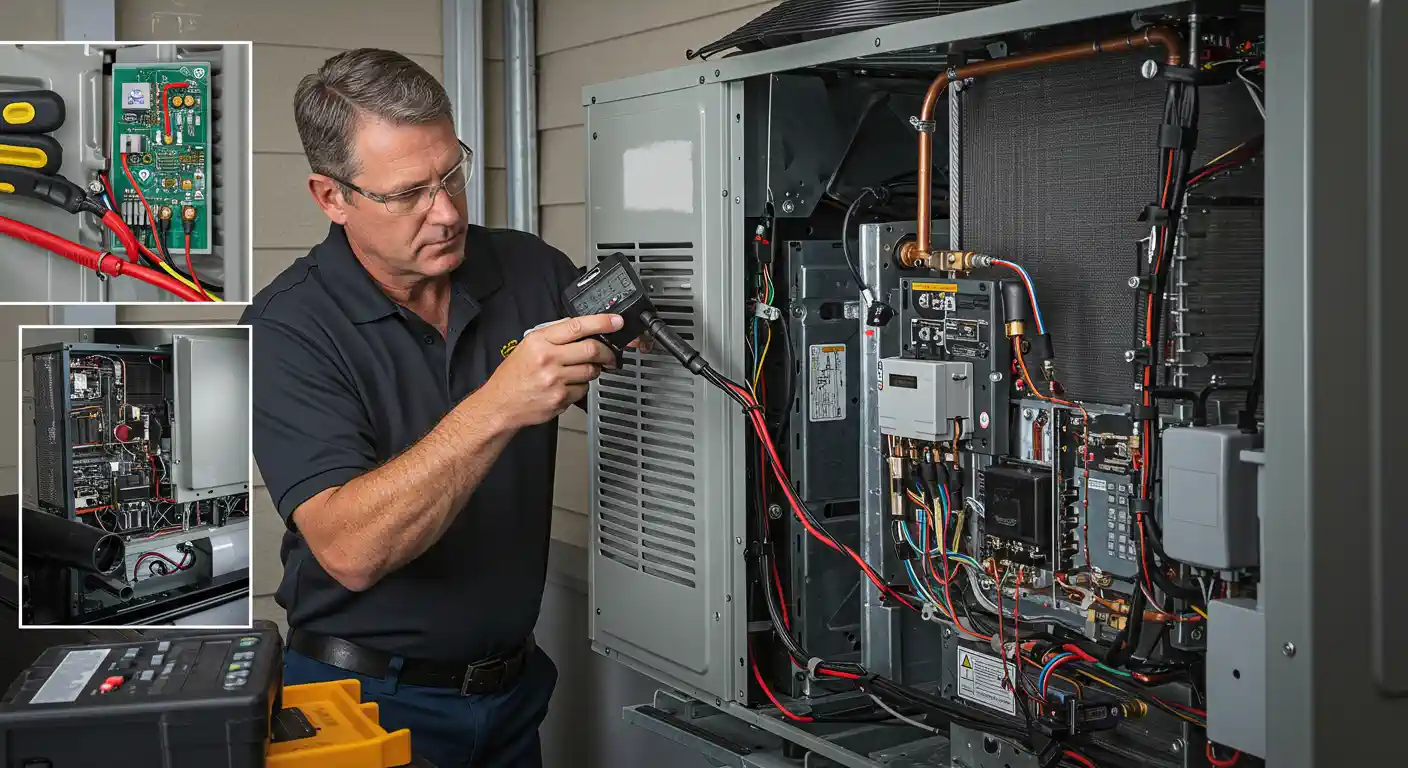
A professional tune-up involves a rigorous multi-point inspection process. This is not a cursory glance at the unit; it is a deep dive into the mechanical, electrical, and airflow dynamics of the system. The goal is to return the unit to factory specifications as closely as possible.
Airflow and Filtration Analysis
Proper airflow is critical for heat transfer. If air cannot move across the evaporator coil, the refrigerant cannot absorb heat from the home.
- Technicians first inspect the air filter and housing. Restricted filters are the leading cause of frozen coils and compressor overheating.
- Next, the blower motor and wheel are inspected for dust buildup. Even a millimeter of dust on a blower wheel can significantly reduce the volume of air moved.
- Then, static pressure is measured in the ductwork. High static pressure indicates blockages or undersized ducts, which strain the blower motor.
- Finally, supply and return registers are checked to ensure they are open and unobstructed, balancing the air pressure throughout the house.
Electrical and Mechanical Component Testing
The electrical system controls the operation of the HVAC unit. Loose connections or pitted contacts create resistance, which generates heat and leads to component failure.
- Technicians tighten all electrical connections and inspect wiring for signs of heat damage or fraying.
- The thermostat is calibrated to ensure it reads the temperature accurately and cycles the unit correctly.
- Amperage and voltage draws are measured on the compressor and fan motors. High amperage draw suggests the motor is working too hard or failing.
- Safety controls, such as high-pressure switches and limit switches, are tested to ensure they will shut the system down in an emergency to prevent catastrophic damage.
Coolant and Pressure Levels
The refrigerant is the lifeblood of the air conditioning system. It must be at the precise level specified by the manufacturer for the system to cool effectively.
- Technicians connect gauges to measure the system's operating pressures.
- Subcooling and superheat calculations are performed to determine the exact state of the refrigerant charge.
- If levels are low, leak detection protocols are initiated to find the source of the refrigerant loss.
- If levels are high, excess refrigerant is recovered to prevent liquid slugging in the compressor.
Understanding HVAC System Efficiency and Cost Savings
Efficiency ratings, known as SEER (Seasonal Energy Efficiency Ratio), are determined based on a clean, perfectly functioning system. As a unit operates in Round Rock, dust accumulates on coils, and moving parts experience friction. This degradation causes the SEER rating to effectively drop over time. A 16-SEER unit that is clogged with dirt may perform like a 10-SEER unit, consuming far more electricity to provide the same amount of cooling.
The Correlation Between Maintenance and SEER Ratings
The condenser coil plays a vital role in expelling heat from the home. When this coil is covered in dirt, grass clippings, or pollen, the heat transfer process is inhibited. The compressor must work harder to compress the refrigerant, drawing more amps and spinning the electric meter faster. Routine cleaning restores the coil’s ability to reject heat, bringing the system’s operating efficiency back in line with its design specifications. This restoration allows the unit to cool the home faster, meaning it runs for shorter cycles and uses less power.
Lowering Monthly Utility Bills
In Texas, cooling costs often make up half or more of a home's summer energy bill. Small improvements in efficiency translate to noticeable savings on monthly statements. A tuned-up system requires less energy to start and run. Additionally, ensuring the refrigerant charge is correct prevents the system from running continuously without satisfying the thermostat setting. Homeowners who adhere to a regular maintenance schedule typically see lower utility costs compared to those who run their systems to failure.
Local Compliance and Energy Rebates
Operating an HVAC system in Texas involves navigating specific regional requirements and opportunities. The state’s focus on energy grid stability has led to various incentives for homeowners who maintain efficient systems.
Navigating Local Permits and Codes
When significant repairs or replacements are identified during a tune-up, adherence to local building codes is mandatory. The City of Round Rock and surrounding municipalities have specific regulations regarding HVAC installations, refrigerant handling, and electrical connections. Professional technicians are well-versed in these requirements. Whether it involves upgrading a disconnect box or ensuring proper clearance for an outdoor unit, compliance ensures the safety of the occupants and the legality of the installation for future home sales. Unauthorized modifications or repairs that do not meet code can result in fines or complications during property inspections.
Capitalizing on Texas Energy Efficiency Incentives
Many utility providers in Texas offer rebates and incentives for improving energy efficiency. Often, these programs require proof that the system is operating at peak performance or has been upgraded to a higher efficiency standard. A documented tune-up can serve as proof of maintenance, which is sometimes a prerequisite for qualifying for rebate programs related to smart thermostat installations or duct sealing. Staying current with maintenance ensures eligibility for these financial benefits when they become available.
Repair vs. Replace: Making the Right Call During Maintenance
One of the primary functions of a maintenance visit is to evaluate the overall health of the system and determine if it is worth keeping. There comes a point where the cost of maintaining an aging unit outweighs the benefits of a new, high-efficiency system.
Assessing the 50% Rule
Industry standards often suggest the "50% Rule." If the cost of a necessary repair approaches 50% of the value of a new system, replacement is generally the better financial option. During a tune-up, if a technician discovers a failed compressor or a cracked heat exchanger in an older unit, they will present a cost-benefit analysis. This helps homeowners make a data-driven decision rather than an emotional one during a crisis.
Evaluating Equipment Age and Technology
HVAC technology has advanced significantly in the last decade. Units installed 10 to 15 years ago use older refrigerants (like R-22) which are now phased out and extremely expensive to replace. If a tune-up reveals a leak in an R-22 system, repair is rarely the most economical path. Newer systems offer variable-speed compressors and smart technology integration that provide superior humidity control—a crucial factor in the Texas climate. Maintenance visits provide the opportunity to discuss these advancements and plan for a future replacement before the current system fails completely.
Immediate Booking and Same-Day Service Availability
When the Texas heat spikes, demand for HVAC services increases exponentially. Waiting until the peak of summer to schedule maintenance can result in scheduling delays. Booking a tune-up during the shoulder seasons (spring and fall) ensures that the system is ready to handle extreme temperatures when they arrive. However, urgent needs do arise.
Service providers prioritize response times based on urgency and availability. For homeowners experiencing performance issues such as weak airflow, strange noises, or inconsistent temperatures, securing a slot immediately is vital to prevent total system failure. Many operational issues can be resolved in a single visit if parts are available on the truck.
Recognizing the Signs You Need Service Now
Homeowners should be vigilant for specific indicators that a system needs immediate professional attention:
- Short cycling, where the unit turns on and off frequently without reaching the set temperature.
- Ice forming on the copper refrigerant lines or the outdoor unit.
- Unusual grinding, banging, or hissing sounds coming from the indoor or outdoor unit.
- A sudden, unexplained increase in energy bills despite normal usage patterns.
- Uneven cooling, where some rooms are freezing while others remain hot.
Addressing these symptoms promptly prevents minor issues from escalating into major repairs.
Why Professional Maintenance Matters
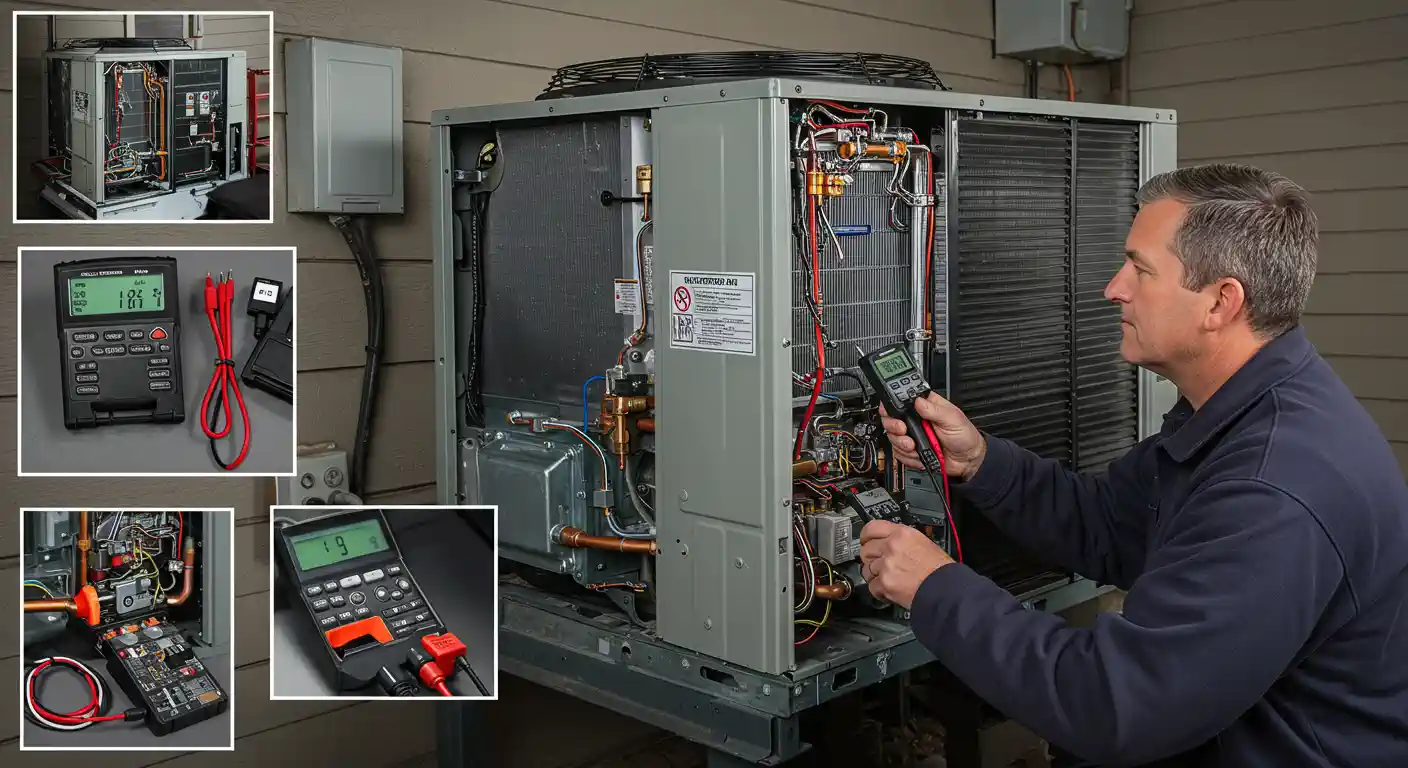
While some homeowners attempt basic filter changes, a comprehensive tune-up requires specialized tools and expertise. Professional technicians utilize combustion analyzers, digital manifolds, and micron gauges to measure system performance with precision that cannot be achieved with standard household tools. Understanding the thermodynamics of heating and cooling allows a professional to fine-tune the system for the specific layout and thermal load of a home in Round Rock.
DIY maintenance often overlooks critical safety checks, such as testing safety switches or inspecting electrical tightness. A professional service ensures that every component is inspected, tested, and calibrated. This level of detail provides peace of mind that the system will operate safely and reliably throughout the season.
Secure your comfort and system efficiency by scheduling a professional evaluation today.
What Our Clients Say
Hear from our satisfied customers about their experiences.
Your Comfort is Our Priority
Experience top-notch AC repair and maintenance services tailored to your needs. Schedule your service today!
