
Whole House Air Filtration in Cedar Park, TX

Breathe Easier with Whole House Air Filtration
Indoor air pollution frequently exceeds outdoor pollution levels, leaving homeowners dealing with persistent dust, aggravated allergies, and lingering odors that standard fiberglass filters cannot catch. If you are battling allergens, mold spores, or high humidity issues inside your Cedar Park home, contact us today to schedule an indoor air quality assessment or apply for financing to upgrade your home’s health. Our whole house air filtration systems provide comprehensive relief by integrating directly with your central HVAC unit to enhance air quality in every single room.
- Rapid installation services ensure your system is integrated and running smoothly without extended downtime.
- Enjoy noticeably cleaner air with advanced HEPA and media filters designed to trap microscopic allergens and particles.
- Manage humidity levels and eliminate household odors to create a healthier, more comfortable living environment.
Backed by extensive warranties and flexible financing options, our solutions are designed for peace of mind and long-term performance.
Comprehensive Indoor Air Quality Solutions for Your Home
Installing a whole-house filtration system is a significant upgrade from using portable, single-room air purifiers. A centralized approach ensures that every cubic foot of air passing through your heating and cooling system is treated before it recirculates into your living space. This service involves retrofitting your existing HVAC setup with advanced hardware capable of capturing particulates far smaller than a grain of sand.
Current solutions go beyond basic dust trapping. Modern systems address the three main categories of indoor contaminants: particulates (dust, pollen, dander), biologicals (mold, bacteria, viruses), and volatile organic compounds (chemical odors, gases). Achieving this level of purity requires specific equipment tailored to the square footage of the home and the capacity of the blower motor.
High-Efficiency Media Air Cleaners
Standard one-inch filters found in most homes are primarily designed to protect the HVAC equipment, not the people breathing the air. High-efficiency media air cleaners utilize thick, pleated filters—often four to five inches deep—that create a substantial surface area for trapping debris:
- These units typically boast high MERV (Minimum Efficiency Reporting Value) ratings, ranging from MERV 11 to MERV 16.
- The increased surface area allows for better airflow while capturing smaller particles compared to standard filters.
- Replacement intervals are generally longer, often lasting six to twelve months depending on the household environment.
UV Germicidal Lights and Air Scrubbers
Filtration captures physical particles, but it does not always neutralize biological threats. To address mold spores, bacteria, and viruses that thrive in dark, damp HVAC coils, we integrate UV germicidal lights.
- UV-C lamps are installed directly inside the ductwork or near the evaporator coil to sterilize surfaces and passing air.
- Air scrubbers utilize catalytic processes to release oxidizers into the air, actively hunting down contaminants and neutralizing surface bacteria on countertops and door handles.
- This technology is particularly effective for reducing the spread of airborne illnesses and eliminating "locker room" or pet odors.
Humidity Control Integration
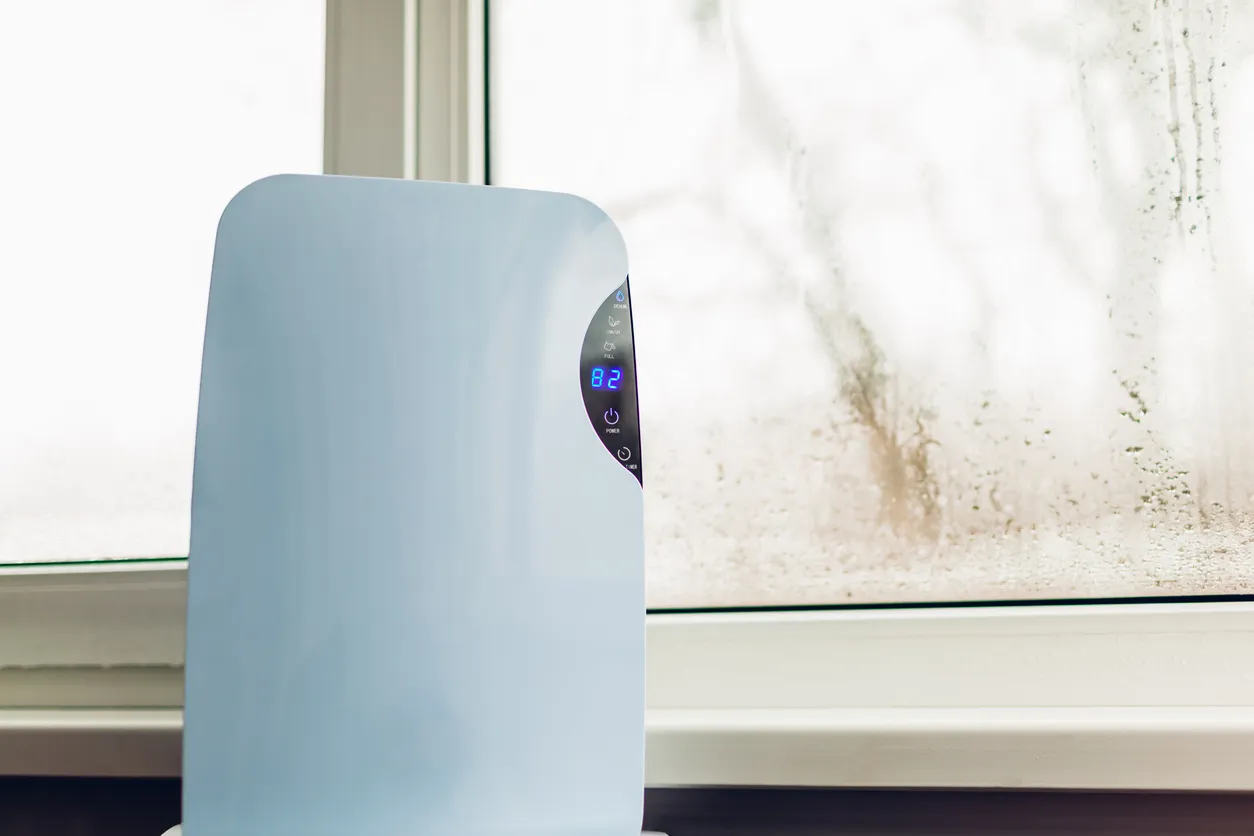
In humid climates, managing moisture is as important as filtering particles. Excess moisture creates a breeding ground for dust mites and mold. Whole-house dehumidifiers can work in tandem with filtration systems.
- Maintaining relative humidity between 35% and 50% inhibits mold growth and dust mite proliferation.
- Drier air feels cooler, allowing you to set the thermostat higher in summer while maintaining comfort.
- Proper humidity control protects wood flooring, furniture, and musical instruments from warping.
The Installation Process: What to Expect
Integrating a filtration system into a central HVAC unit requires precision and an understanding of airflow dynamics. Simply placing a restrictive filter into a system not designed for it can damage the blower motor or freeze the evaporator coil. The installation process focuses on improving air quality without compromising the efficiency of the heating and cooling equipment:
- Airflow Analysis: The process begins with a static pressure test. Technicians measure the external static pressure of the duct system to determine how much resistance the blower motor can handle. This step ensures the selected filter offers high efficiency without choking the system.
- System Selection: Based on the airflow analysis and the specific health needs of the household (e.g., asthma, pet allergies), the appropriate filtration technology is selected. This includes choosing between media cabinets, electronic air cleaners, or hybrid systems.
- Ductwork Modification: Technicians modify the return air plenum to accommodate the new hardware. This often involves cutting into the sheet metal transition between the return duct and the furnace or air handler. The goal is to create an airtight seal so that no unfiltered air can bypass the cleaning mechanism.
- Electrical Integration: For active systems like electronic air cleaners, UV lights, or air scrubbers, electrical connections are hardwired into the HVAC control board. This ensures the purification components activate automatically whenever the blower fan is running.
- Commissioning and Testing: Once installed, the system is tested to verify proper airflow and pressure drop. Technicians check that the blower motor amp draw is within manufacturer specifications to prevent premature wear.
Deciding Between Portable Units and Whole-Home Systems
Homeowners often debate whether to purchase multiple stand-alone units or invest in a whole-home solution. While portable units have their place, they are often reactionary measures rather than a permanent solution for indoor air quality. Understanding the operational differences helps in making the right investment for long-term health.
Noise and Space Considerations
Portable units occupy floor space and require a dedicated electrical outlet in every room you wish to treat. Because the fan and motor are located directly in the living space, they can generate significant noise, especially on high settings required for effective filtration.
- Whole-home systems are silent to the occupants, as the filtration occurs at the central unit, typically located in an attic, closet, or garage.
- There is no loss of floor space or aesthetic clutter in bedrooms or living areas.
Efficiency and Coverage
A portable unit only cleans the air in its immediate vicinity. If doors are closed, air circulation is restricted, leaving other rooms untreated.
- Central systems treat the entire volume of air in the home multiple times per hour whenever the HVAC system runs.
- AC Superheroes recommends whole-home systems for consistent air quality across all zones, ensuring that bedrooms, common areas, and basements receive equal treatment.
Maintenance and Cost of Ownership
Managing multiple portable units means tracking different filter sizes and replacement schedules for each device.
- Whole-house systems typically require maintenance on a single central unit once or twice a year.
- While the upfront cost of a central system is higher, the cost per cubic foot of air treated is generally lower over the lifespan of the equipment compared to running multiple portable units 24/7.
Navigating Cedar Park Climate and Air Quality Challenges
The local climate presents specific challenges that make standard filtration insufficient for many residents. The combination of high heat, humidity, and specific regional allergens dictates the need for robust air quality strategies.
Managing Humidity and Biological Growth
The humid subtropical climate means that moisture is a constant presence for much of the year. When outdoor humidity is high, opening windows for "fresh air" often introduces more moisture and pollutants than it removes.
- High indoor humidity allows mold to grow inside ductwork and on cool surfaces.
- Installing high-efficiency filtration alongside humidity control prevents the musty odors associated with "sick building syndrome."
- Keeping the system sealed and filtered prevents organic buildup on the AC coils, which preserves energy efficiency during the peak of summer.
Combatting "Cedar Fever" and Seasonal Pollen
Central Texas is notorious for "Cedar Fever," a severe allergic reaction to the pollen released by Ashe Juniper trees, typically from December through February. This pollen is incredibly fine and can penetrate standard fiberglass filters easily.
- During pollen season, the outdoor air is laden with irritants. A well-sealed home with HEPA-grade or high-MERV filtration acts as a sanctuary for allergy sufferers.
- In the warmer months, oak pollen and ragweed become prevalent.
- A whole-house system ensures that pollen brought in on clothes or pets is captured quickly before it settles on furniture or bedding.
Volatile Organic Compounds (VOCs)
Because homes in the region are kept tightly sealed to conserve air conditioning energy, chemical pollutants from cleaning supplies, cooking, and building materials can accumulate to dangerous levels.
- Off-gassing from carpets, paint, and furniture remains trapped indoors without mechanical ventilation or purification.
- Active air purification systems (like air scrubbers) are essential for breaking down these chemical compounds, which physical filters alone cannot catch.
Why Homeowners Choose Professional Air Quality Services
Improving indoor air quality is a technical trade that overlaps with HVAC performance. It involves more than just sliding a filter into a slot. Professional installation ensures that the pursuit of clean air does not come at the expense of the heating and cooling system’s longevity.
Protection of HVAC Assets
The most expensive appliance in most homes is the HVAC system. Dust and debris are the leading causes of system failure.
- By preventing dust buildup on the blower wheel and evaporator coil, high-efficiency filtration extends the life of the AC unit.
- Clean components transfer heat more effectively, resulting in lower monthly utility bills — check our promotions for savings.
- Professional sizing prevents "pressure drop" issues that can overheat heat exchangers or freeze air conditioners.
Verification of Performance
Professional services include testing to prove the system is working. This goes beyond visual inspection.
- Technicians use particle counters and pressure gauges to verify that the air is cleaner and the system is flowing correctly.
- Ensuring the return ductwork is sealed prevents the system from pulling in dusty, hot air from the attic or crawlspace, which would bypass the filter entirely.
Comprehensive Warranties
Retail air purifiers often come with limited support. Professional installations come with manufacturer warranties on the equipment and labor guarantees on the installation work.
- Access to professional-grade brands that are not available at big-box stores ensures higher durability and performance.
- Support is available for routine maintenance, ensuring the system continues to perform at peak efficiency year after year.
AC Superheroes focuses on delivering science-backed air quality solutions that provide tangible health benefits. By controlling particulates, biological growth, and humidity, these systems transform the home into a safe haven from outdoor pollution. Ready to breathe cleaner, healthier air in your home? Contact us today to discuss your whole house filtration options.

Breathe Easier with a Whole House Filtration System
Is your home’s air causing discomfort, allergies, or musty odors? AC Superheroes can help. Upgrade to a whole-house filtration system and experience cleaner, healthier air throughout your entire home. Say goodbye to dust, allergens, mold spores, and odors with our advanced filtration and humidity control solutions. Contact us today to schedule an air quality assessment, learn more about your options, or explore our flexible financing plans for a long-term solution.
What Our Clients Say
Hear from our satisfied customers about their experiences.
Your Comfort is Our Priority
Experience top-notch AC repair and maintenance services tailored to your needs. Schedule your service today!
