
Whole House Air Filtration in Pflugerville, TX

Breathe Easier with Advanced Whole House Air Filtration
Struggling with seasonal allergies or concerned about indoor pollutants in your Texas home? Whole house air filtration offers a comprehensive solution to improve your air quality all year round, and you can contact us today to schedule a comprehensive air quality assessment. Residents in Pflugerville often battle distinct air quality challenges ranging from cedar fever to industrial dust, making standard filters insufficient.
- Significantly reduce allergens like pollen, dust, and pet dander.
- Enjoy cleaner air with systems that integrate seamlessly with your existing HVAC.
- Experience peace of mind with systems that require minimal maintenance.
Backed by industry-leading warranties and flexible financing options.
Why Whole House Air Filtration Is Essential for Texas Homes
Texas weather is known for its extremes, and these fluctuations directly impact the air inside your home. In Pflugerville, the transition between seasons brings specific airborne irritants that can bypass standard HVAC filters. During the spring and fall, pollen counts skyrocket. "Cedar fever" is a common local complaint, where high concentrations of mountain cedar pollen cause severe allergic reactions. Without a dedicated filtration system, these microscopic particles circulate through your ductwork, settling on furniture and entering your lungs.
Beyond biological allergens, the region sees its fair share of dust and particulate matter from ongoing construction and urban expansion. When you rely solely on the thin, disposable filter located in your return vent, you are only capturing the largest debris. Microscopic particles—those that cause the most respiratory irritation—pass right through standard fiberglass filters. AC Superheroes understands that a whole-home approach is necessary to trap these sub-micron contaminants effectively.
Furthermore, the Texas heat brings humidity, creating an environment where biological growth can thrive inside cooling coils and ductwork if air is not properly purified. Mold spores and bacteria require moisture to multiply, and a standard air conditioning system can inadvertently spread these contaminants if the air is not treated before circulation. Installing a whole-house filtration system acts as a barrier, capturing spores before they have a chance to colonize your HVAC system or enter your living space.
The tightness of modern home construction also plays a role. While energy-efficient windows and insulation keep the heat out, they also trap pollutants inside. Volatile Organic Compounds (VOCs) from cleaning products, off-gassing carpets, and cooking fumes accumulate indoors. A robust filtration system does more than catch dust; it helps neutralize these chemical vapors, ensuring the air you breathe is fresh rather than recycled and stagnant.
What You Get Today: Advanced Filtration Technology & Quick Installation
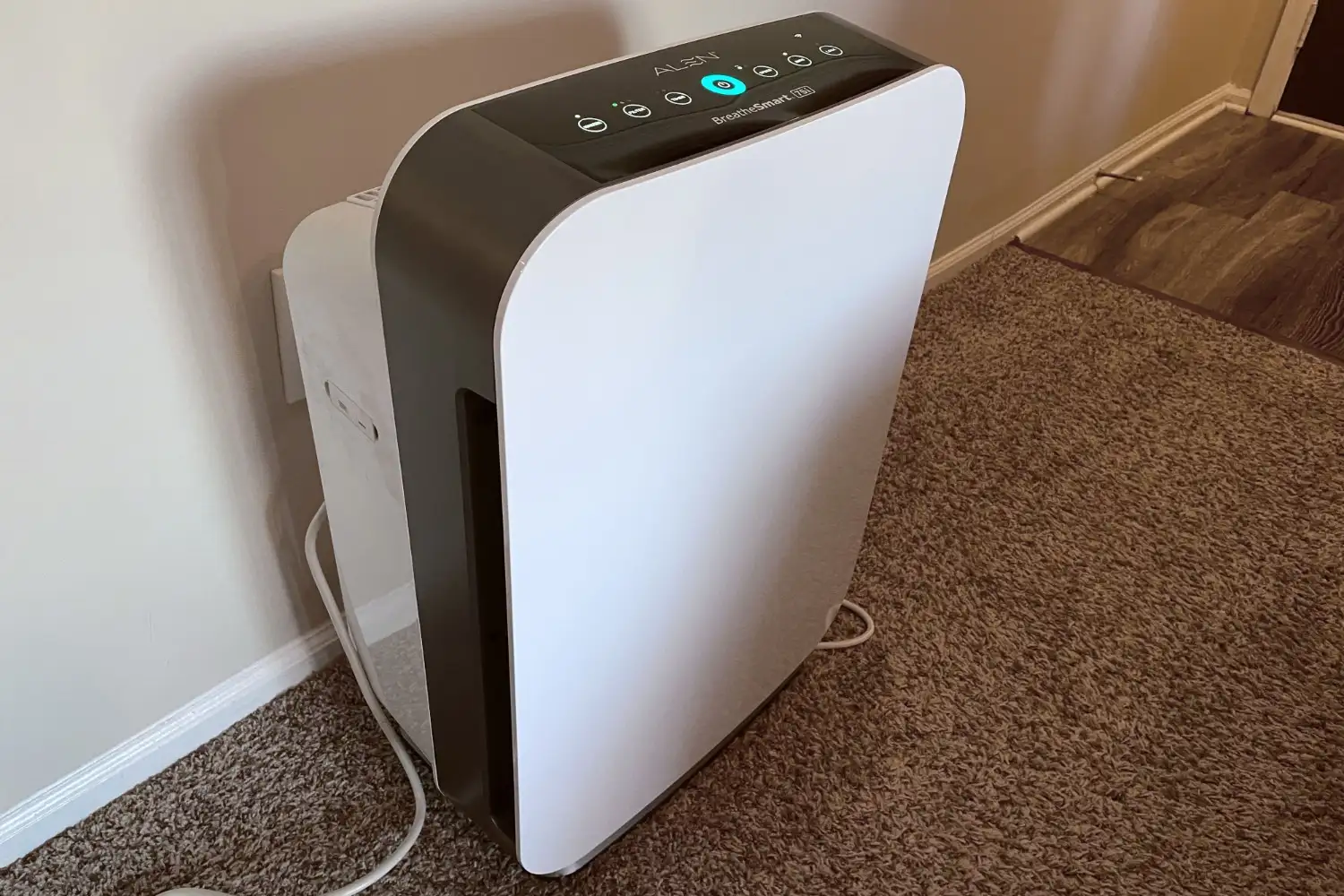
When you invest in a whole-house air filtration system, you are upgrading the central nervous system of your home’s climate control. Unlike portable units that only clean the air in a single room, these systems are installed directly into your central HVAC unit. This ensures that every cubic foot of air conditioned or heated by your system passes through high-efficiency media before reaching your vents.
High-Efficiency Media Filters
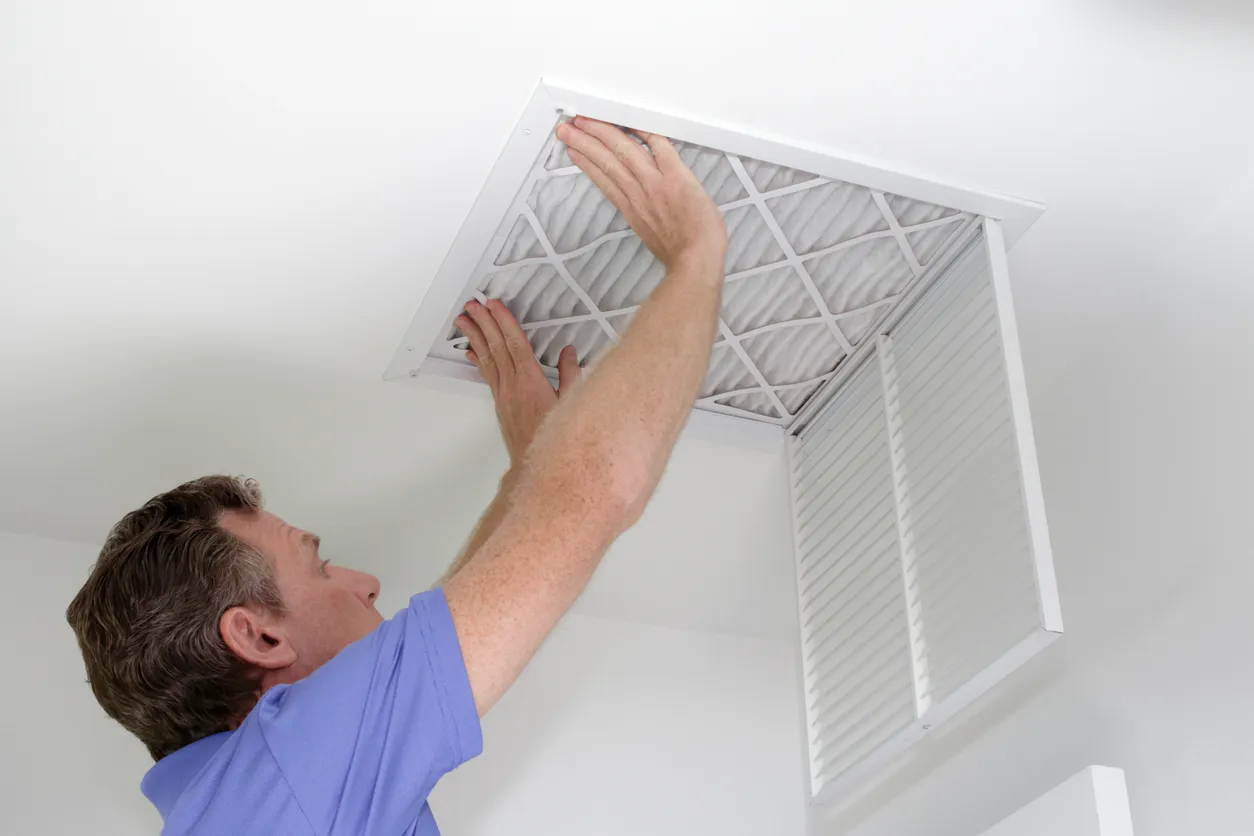
The core of these systems often involves thick, pleated media filters. Unlike the one-inch filters found in grocery stores, these media filters are often four to five inches thick. The increased surface area allows for deeper capture of debris without restricting airflow to your furnace or air handler. This depth means the filter can hold significantly more dirt and particulate matter, often lasting six months to a year before needing replacement, compared to the monthly changes required by standard filters.
UV Germicidal Lights
Many homeowners opt to pair filtration with UV light technology. This adds a layer of sterilization to the filtration process. As air passes through the filter, the UV light scrambles the DNA of viruses, bacteria, and mold spores, rendering them inert. This is particularly effective in the humid Texas climate, preventing the "dirty sock syndrome" smell that often plagues AC units during the switch from cooling to heating seasons.
Seamless Integration
The equipment we install is designed to work in tandem with your current heating and cooling setup. It does not require a complete overhaul of your ductwork. The filtration cabinet is typically installed at the return air side of your equipment. This strategic placement protects the blower motor and evaporator coil from dust buildup, which is a leading cause of premature HVAC failure. By keeping the internal components clean, the filtration system actually helps maintain the energy efficiency of your AC unit over time.
Immediate Impact
Once installed, the change in air quality is often noticeable within the first 24 hours. You will likely observe a reduction in the layer of dust that accumulates on shelves and electronics. For those with respiratory sensitivities, the relief from constant congestion or eye irritation is frequently immediate. The system runs quietly in the background, requiring no daily interaction or adjustment from the homeowner.
How Installation Works: A Step-by-Step Guide
Installing a whole-house air filtration system is a precise process that requires professional handling to ensure airflow remains balanced. Improper installation can choke an HVAC system, leading to frozen coils or overheated heat exchangers. Our process ensures that your air quality improves without compromising the performance of your heating and cooling equipment:
- Initial Airflow and Static Pressure Assessment: The process begins with a technical evaluation of your current HVAC system. Technicians measure the static pressure within your ductwork to determine how much resistance your blower motor can handle. This step is critical because high-efficiency filters create more resistance than standard ones. We ensure your system has the capacity to push air through a denser filter medium without straining the motor.
- System Selection and Sizing: Based on the static pressure readings and the specific volume of air your home circulates, we select the appropriate filtration unit. Factors include the size of the home, the presence of pets, and specific allergy concerns. We verify that the physical dimensions of the filtration cabinet will fit within your mechanical closet or attic space while allowing room for easy filter changes in the future.
- Modification of the Return Air Drop: To install the new equipment, the existing return air drop (the metal duct connecting the return vent to the unit) is modified. The technician cuts into the sheet metal to create a space for the new filtration cabinet. This is done with precision to ensure an airtight seal. Any gaps in this connection would allow unfiltered air from the attic or garage to be sucked into the system, defeating the purpose of the filter.
- Installation of the Filtration Cabinet: The cabinet is secured into the ductwork. We use heavy-duty sealants and foil tape to ensure the connection is completely sealed against air leaks. If UV lights are part of the package, they are mounted inside the coil or ductwork at this stage, wired safely into the system’s power supply so they activate automatically when the blower runs.
- System Testing and Verification: Once the hardware is in place, the system is powered on. We repeat the static pressure tests to verify that airflow remains within manufacturer specifications. We check for pressure drops that could indicate airflow restriction and adjust the blower speed if necessary.
- Homeowner Walkthrough: Finally, we walk you through the operation of the system. We demonstrate how to access the filter cabinet, how to remove the old media, and how to insert the new one correctly. We also provide a schedule for filter replacements based on your specific usage patterns and local environmental factors in Pflugerville.
When Replacement Beats Repair: Maximizing Air Quality and Efficiency
Homeowners often wonder if they can simply upgrade their existing filter slot rather than installing a whole-home cabinet. While it is tempting to shove a high-MERV filter into a standard one-inch slot, this is rarely a long-term solution and often causes more harm than good. Recognizing when to move from a standard "repair" mindset to a full system upgrade or addition is key to long-term satisfaction.
Airflow Restriction Issues
Standard one-inch filter slots are not designed for high-efficiency filtration. Putting a thick, restrictive filter in a small slot restricts airflow, causing the system to work harder, increasing energy bills, and potentially damaging the compressor. If you are constantly battling dust despite changing filters, or if your system freezes up due to lack of airflow, it is time to stop repairing the symptoms and install a dedicated filtration cabinet designed for high airflow.
Persistent Odors and Mold
If you have had your ducts cleaned and the evaporator coil sanitized, yet musty odors return quickly, a simple repair or cleaning is not addressing the root cause. This cycle suggests that airborne contaminants are re-entering the system immediately. Replacing the standard filtration setup with a whole-house system that includes UV technology or carbon filtration stops this cycle by actively neutralizing the biological growth and odors rather than just masking them.
Aging HVAC Equipment
If your current HVAC system is nearing the end of its lifespan (10-15 years), adding a whole-house filter during the system replacement is the most cost-effective timing. However, even on a mid-life system, if you face costly repairs related to dirty coils or blower wheel buildup, installing a filtration system can prevent these expensive repairs from recurring. It acts as an insurance policy for the mechanical integrity of the AC unit.
Health Changes in the Household
Sometimes the trigger for replacement is not mechanical but biological. A new baby, an aging parent moving in, or the development of asthma in a family member changes the requirements for indoor air quality. What was "good enough" before is no longer acceptable. In these cases, retrofitting a proper filtration system is the only way to achieve the clinical level of air purity required for health and safety.
Local Notes: Adhering to Texas Air Quality Standards
Operating in Central Texas requires strict adherence to specific environmental and safety standards. The Texas Commission on Environmental Quality (TCEQ) sets guidelines for air quality, and while these largely apply to outdoor industrial emissions, they influence the baseline of what enters your home. In Pflugerville, the combination of agricultural dust and urban pollutants creates a unique load on filtration systems.
Humidity Control and Filtration
In our service area, humidity control is inextricably linked to air filtration. A filter that is too restrictive can reduce the runtime of the AC unit, preventing it from effectively dehumidifying the home. This leads to a clammy indoor environment that promotes mold growth. Our local experience ensures that we select filtration options that balance particulate capture with the necessary airflow to maintain proper humidity levels.
Energy Efficiency Codes
Local building codes emphasize energy efficiency. Leaky ductwork or improper filter installation can violate these efficiency standards by forcing the unit to consume excessive electricity. By sealing the filtration cabinet and optimizing airflow, we help ensure your home meets or exceeds local energy conservation expectations, which is vital for managing utility costs during the long Texas summers.
Permitting and Safety
Any modification to the HVAC system, including the installation of hardwired air quality equipment, must be done in compliance with local electrical and mechanical codes. This ensures that the system is safe, does not pose a fire hazard, and will not void the manufacturer’s warranty of your existing HVAC unit. We handle the compliance aspect, ensuring that the installation is up to code and documented correctly.
Proof & Differentiators: Why Choose Us for Your Air Filtration Needs
Selecting the right partner for your indoor air quality needs is about more than just buying a product; it is about securing a proper installation that guarantees performance. Many general handymen or inexperienced contractors may offer to install air purifiers, but without a deep understanding of thermodynamics and psychrometrics, they risk damaging your expensive HVAC equipment — see customer reviews:
- Technical Expertise and Certification: Our technicians are not just installers; they are air quality specialists. We hold the necessary state licenses and certifications to work on complex HVAC systems. We understand the physics of airflow and how to integrate high-efficiency filtration without choking your system. We do not guess when it comes to static pressure; we measure and verify.
- Holistic Approach: We do not believe in a one-size-fits-all solution. We assess the entire envelope of your home, looking for infiltration points where dust and pollen enter. Our recommendations are based on a comprehensive view of your home’s health, ensuring that the filtration system we install addresses your specific pain points, whether that is pet dander, pollen, or smoke.
- Long-Term Reliability: We prioritize products known for durability and ease of maintenance. We avoid proprietary systems that lock you into expensive, hard-to-find replacement filters. Our goal is to provide a system that is easy for you to own and maintain over the long haul. With AC Superheroes, you are getting a partner dedicated to the long-term health of your home and family.
Ready for Better Air Quality?
Your home should be a sanctuary, free from the allergens and pollutants that plague the outdoors. Don't let pollen, dust, and humidity compromise your comfort or your health any longer. Take control of the air you breathe with a professional solution designed for the specific challenges of the Texas climate. Ready to transform your indoor air quality? Contact AC Superheroes today to discuss your whole house filtration options and breathe easier tomorrow.
What Our Clients Say
Hear from our satisfied customers about their experiences.
Your Comfort is Our Priority
Experience top-notch AC repair and maintenance services tailored to your needs. Schedule your service today!
