
Heating Tune Up in Pflugerville, TX

Eliminate Inconsistent Heating Performance Before Winter Hits
Suddenly found your heater failing to maintain temperature just when the Pflugerville weather drops? You are likely due for a thorough tune-up to ensure peak efficiency and comfort. Contact us today to schedule your comprehensive inspection or ask about our flexible financing options.
- Restore your heater's optimal performance with a comprehensive clean and check.
- Prevent unexpected failures and costly emergency repairs during cold snaps.
- Enhance energy efficiency and reduce your monthly utility bills.
- Backed by a satisfaction guarantee, with flexible financing available.
What You Can Expect From a Professional Heating Maintenance Visit
A heating tune-up is not merely a visual inspection; it is a rigorous restoration of your system’s vital functions. Over time, the heating components within your HVAC system accumulate dust, experience electrical vibration, and suffer from thermal stress. Without intervention, these minor issues compound into major system failures, often right when you need the heat the most. AC Superheroes provides a systematic approach to maintenance that addresses the root causes of inefficiency and wear.
When you book a service, you receive a detailed evaluation of the entire heating envelope. This includes the mechanical operation of the blower, the safety mechanisms of the ignition system, and the integrity of the exhaust ventilation. The goal is to return the unit to the manufacturer’s specifications. In areas like Pflugerville, where systems sit idle for long hot summers, this service is critical for clearing out months of dormant dust and debris that can clog burners and sensors upon startup.
Standard maintenance includes the following technical checks and adjustments:
- Thermostat Calibration: Technicians verify that the temperature reading on your wall matches the actual output of the unit, ensuring your system isn't overworking due to false readings.
- Electrical Connection Tightening: Loose connections cause resistance and heat, which can melt wires or destroy control boards. All voltage and amperage draws are measured against safety standards.
- Lubrication of Moving Parts: Friction is the enemy of efficiency. Motors and bearings are lubricated to reduce drag, which lowers electricity usage and prevents overheating.
- Condensate Drain Cleaning: For high-efficiency furnaces and heat pumps, a clogged drain line can cause water damage or shut the system down completely. The line is cleared of algae and sediment.
- System Controls Testing: The start-up, operation, and shut-down cycles are tested to ensure the system responds correctly and safely to commands.
How the Comprehensive Tune-Up Process Works
Understanding the workflow of a professional tune-up helps homeowners distinguish between a quick walkthrough and a value-driven service. A proper maintenance visit follows a logical sequence designed to uncover hidden issues without disrupting your daily routine. The process is streamlined to be thorough yet efficient, usually completed within an hour to ninety minutes depending on the condition of the unit.
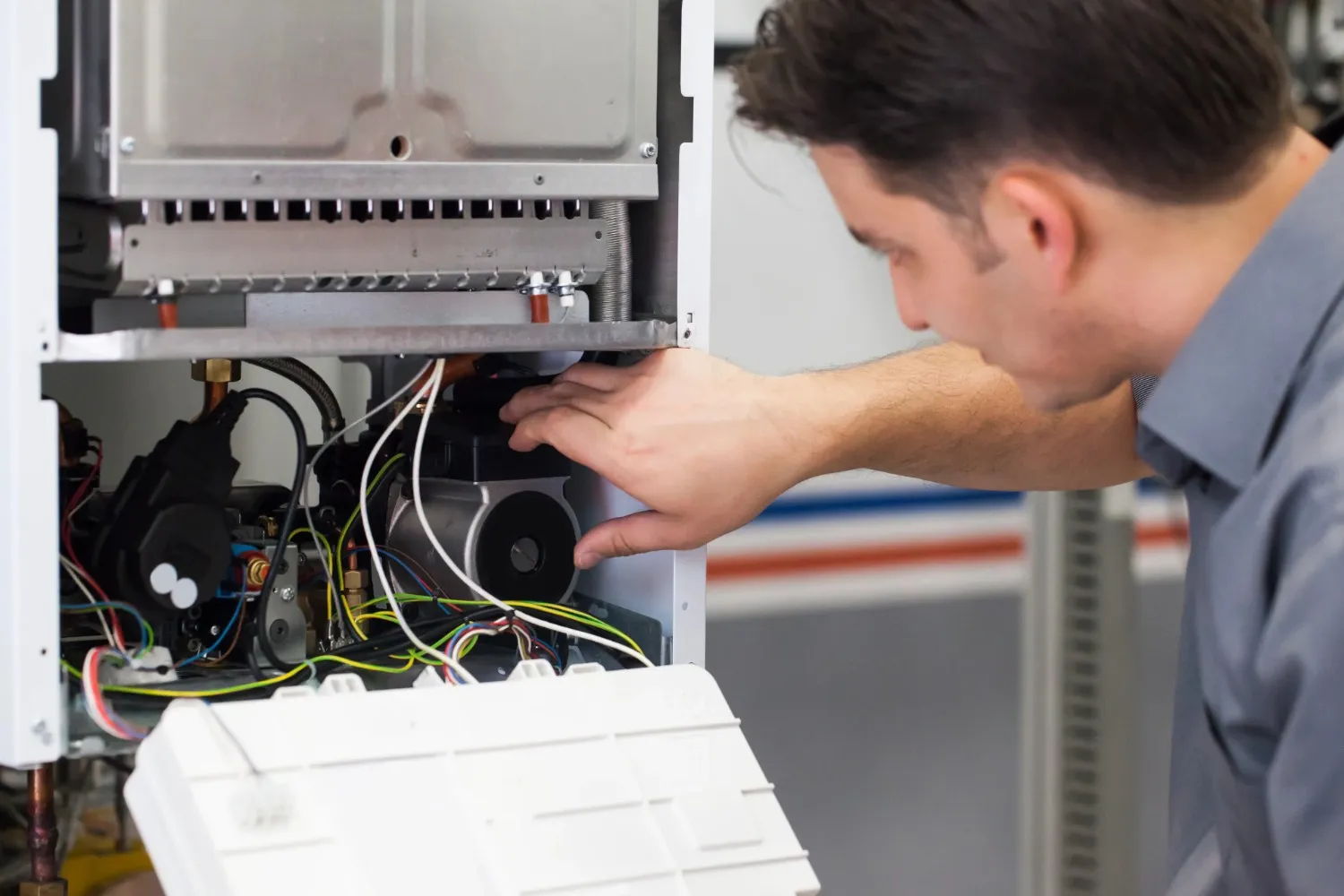
The technician begins with a site assessment and safety check. Before touching any tools, the area around the heating unit is inspected for combustible materials or airflow obstructions. This is particularly important for gas furnaces where proper ventilation is a matter of life and safety. Following the safety check, the technician moves into the cleaning phase. This involves brushing and vacuuming the burners and heat exchanger surfaces. Dust acts as an insulator on these parts, preventing heat from transferring into your air and causing the metal to fatigue.
Next, the focus shifts to the blower assembly. The blower motor is the heart of airflow. If the blower wheel is dirty, it cannot move air effectively, leading to hot and cold spots in the house. The technician cleans the wheel and checks the motor for amp draw. If the motor is straining, it is an early sign of potential failure that can be addressed proactively.
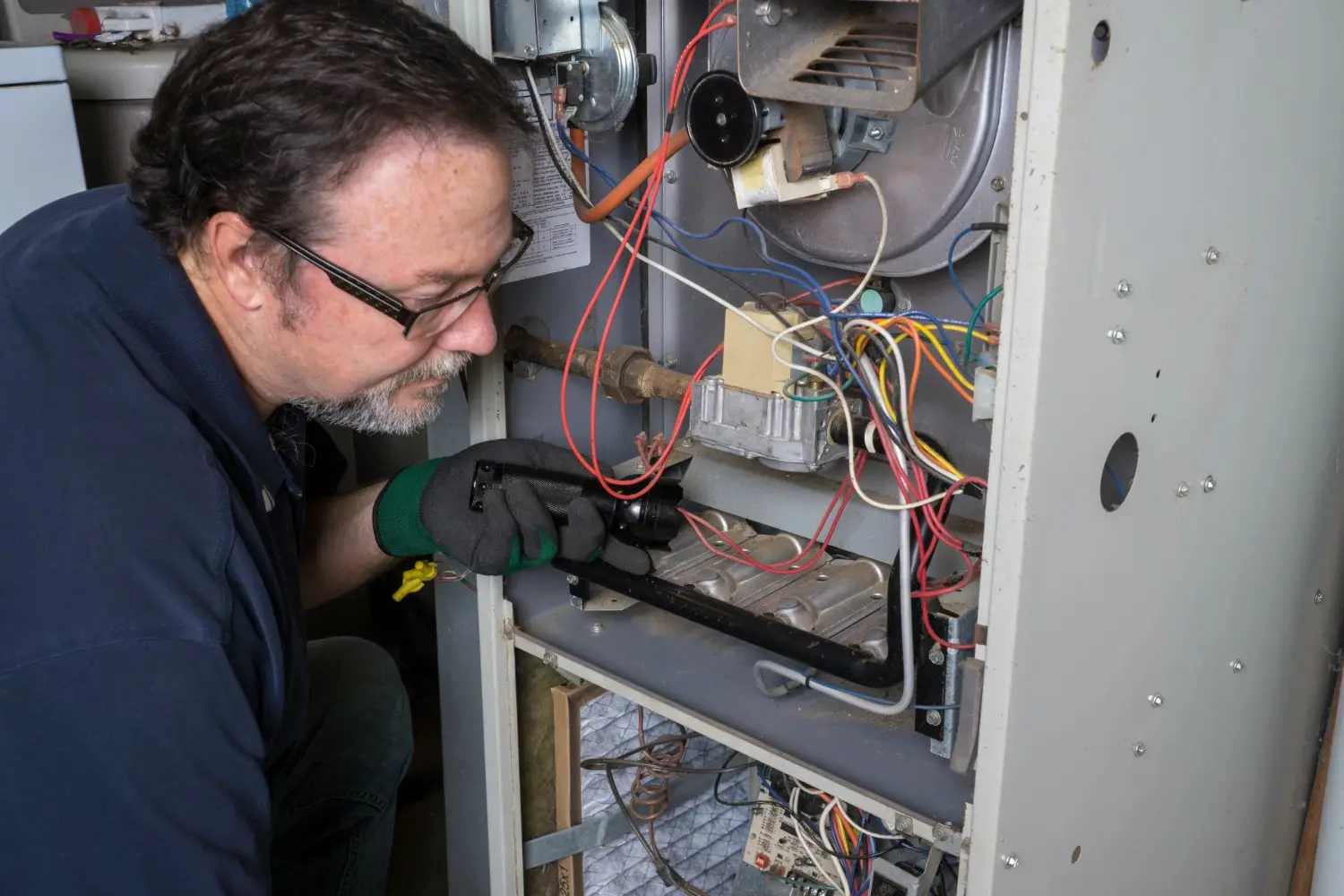
Finally, the ignition and flame sensor assembly are serviced. In modern heating systems, the flame sensor is a critical safety device that shuts off gas if a flame isn't detected. These sensors often become coated in carbon and oxidation, leading to "false negatives" where the heater shuts off even though it is working. Cleaning this sensor is a staple of the tune-up process that prevents nuisance tripping — view seasonal offers.
- First, the technician performs a static pressure test to measure airflow restrictions within the ductwork and the unit itself.
- Next, the heat exchanger is inspected for cracks or corrosion using specialized cameras or mirrors, a vital step to prevent carbon monoxide leaks.
- Then, the pilot light or hot surface igniter is tested for resistance and proper operation to ensure reliable ignition every time.
- After that, the air filter is inspected and replaced if a new one is provided, ensuring clean air enters the system.
- Finally, the system is run through a full heating cycle to monitor temperature rise and ensure the air coming out of the vents meets the manufacturer's specified range.
When Maintenance Isn't Enough: Repair vs. Replacement
While a tune-up can significantly extend the life of a heating system, there are specific scenarios where maintenance alone cannot resolve the underlying issues. Recognizing the difference between a system that needs a cleaning and a system that is reaching the end of its service life is essential for financial planning. Continuing to pour money into maintaining a failing unit often costs more in the long run than investing in a modern, higher-efficiency replacement.
One primary indicator is the age of the unit combined with the frequency of repairs. Heating systems generally last between 15 and 20 years. If your unit is approaching this age range and requires repairs—even minor ones—more than once a season, a tune-up is only a temporary patch. Furthermore, if the cost of a necessary repair approaches 50% of the value of a new system, replacement is generally the more prudent financial decision.
Efficiency degradation is another factor. If your utility bills have been steadily climbing despite regular tune-ups, the internal components may be worn beyond the point of restoration. Older units have lower Annual Fuel Utilization Efficiency (AFUE) ratings compared to modern standards. Upgrading can sometimes lower monthly heating costs enough to offset the installation price over time.
You should consider moving from maintenance to replacement if you notice the following warning signs:
- Cracked Heat Exchanger: This is a non-negotiable safety hazard. If a tune-up reveals a crack, the unit must be replaced immediately to prevent carbon monoxide poisoning.
- Yellow Burner Flames: A healthy gas flame should be blue. A yellow flame indicates incomplete combustion, which often signals that the burner assembly is deteriorating beyond what cleaning can fix.
- Excessive Noise: Grinding, squealing, or banging sounds that persist after lubrication and belt adjustments usually indicate internal mechanical failure in the motor or blower assembly.
- Short Cycling: If the heater turns on and off frequently without reaching the set temperature, and thermostat calibration doesn't fix it, the system may be oversized or the compressor (in heat pumps) is failing.
- Humidity Problems: In the winter, a dying heating system often fails to regulate humidity, leading to overly dry air that can damage wood furniture and irritate sinuses.
Navigating Local Heating Requirements and Seasonality
Pflugerville and the surrounding Central Texas region present a unique set of challenges for heating systems. Unlike northern climates where heaters run constantly, local units here face "start-stop" seasonality. A heater might sit unused for eight months, accumulating dust, insects, and moisture. When the first cold front hits in late November or December, the sudden demand on a dirty system can cause immediate component failure. This seasonality makes the pre-season tune-up essential, not optional.
The local climate also introduces humidity concerns. Even in winter, moisture levels can fluctuate. Metal components in your furnace or heat pump are susceptible to rust and corrosion during the humid shoulder seasons. A professional maintenance visit specifically looks for oxidation on electrical contacts and the heat exchanger, which is a common issue in this region. Addressing rust early prevents electrical shorts and gas leaks.
Homeowners must also be aware of local utility nuances and codes. Whether your home relies on natural gas or electricity (heat pumps), specific safety codes govern the operation of these units. For gas furnaces, proper venting is strictly regulated to ensure exhaust gases are expelled safely away from the home. For heat pumps, which are common in the area due to their dual heating/cooling capability, checking the defrost cycle is critical. In rare freezing events, a heat pump with a broken defrost board will freeze over and stop providing heat, leaving the home vulnerable to burst pipes.
Technicians operating in this area must also be familiar with local rebate programs. Utility providers often offer incentives for maintaining high-efficiency equipment. A documented history of professional tune-ups is often required to validate warranties and qualify for these rebates. Ensuring your technician is certified and aware of these local stipulations protects your investment and ensures you are compliant with local building safety standards.
Why Technical Expertise Matters for System Reliability
The HVAC industry is flooded with offers for "cheap check-ups," but low-cost inspections often miss critical safety and performance metrics. A high-quality tune-up is defined by the expertise of the technician and the depth of the diagnostic process. It requires a deep understanding of thermodynamics, electrical theory, and mechanical engineering. When you hire a professional service, you are paying for the trained eye that can spot a micro-fracture in a heat exchanger or a capacitor that is drifting out of tolerance before it fails.
Reliability is built on precision. A technician who strictly adheres to manufacturer protocols ensures that gas pressure is adjusted to the exact water column inch specified for your model. They ensure that airflow matches the static pressure requirements of your ductwork. These precise adjustments maximize the heat output while minimizing energy consumption.
Furthermore, professional providers carry the correct insurance and certifications. This protects the homeowner from liability during the service process. It also ensures that the warranty on your expensive heating equipment remains valid. Most manufacturers explicitly state that warranties are void if the equipment is not maintained annually by a licensed professional.
- Advanced Diagnostic Tools: Professionals use combustion analyzers, digital manometers, and multimeters to get exact readings, rather than guessing based on sound or sight.
- Comprehensive Documentation: You receive a full report of the system’s health, which serves as proof of maintenance for warranty claims and real estate transactions.
- Inventory Availability: Established service providers carry common replacement parts on their trucks, meaning if a small part needs replacing during the tune-up, it can likely be done immediately without a second trip.
- NATE-Certified Technicians: Certification from North American Technician Excellence ensures the individual working on your system has passed rigorous industry exams.
Book Your Heating Service Now
Whether you have a gas furnace, an electric handler, or a heat pump, the goal remains the same: safe, efficient, and reliable heat. Don't wait until the first freeze to discover your system is compromised. AC Superheroes is ready to ensure your home remains a sanctuary of comfort regardless of the weather outside.
Secure your peace of mind and system efficiency today—schedule your heating tune-up now.
What Our Clients Say
Hear from our satisfied customers about their experiences.
Your Comfort is Our Priority
Experience top-notch AC repair and maintenance services tailored to your needs. Schedule your service today!
