
Furnace Repair in Cedar Park, TX

Furnace Stopped Working? Get Fast Repair Services Now
Is your home suddenly cold because the furnace has stopped working, leaving your family uncomfortable during a temperature drop? You need a quick, reliable repair to restore warmth and comfort immediately, so contact us or apply for financing to schedule immediate service. When the heat goes out in Cedar Park, waiting days for a technician is not an option. AC Superheroes provides urgent diagnostic and repair services to get your system running efficiently again.
- Immediate service appointments available today to restore heat quickly.
- Certified technicians ensuring efficient, code-compliant, and correct repairs.
- Transparent pricing with no hidden fees or surprise costs — view current promotions.
All repairs are fully guaranteed with up-to-date compliances and optional financing available.
Immediate Diagnostics and Repair Solutions
When a heating system fails, the priority is identifying the root cause accurately to prevent future breakdowns. A non-functional furnace often points to specific mechanical or electrical failures that require professional intervention. The focus is on restoring safety and functionality in a single visit whenever possible.
Technicians arrive in fully stocked vehicles containing the most common parts required for gas and electric furnace repairs. This inventory management strategy minimizes the need for follow-up visits and ensures that warmth is restored to the home on the same day the issue is reported. The diagnostic process involves a systematic check of the entire heating cycle, from the thermostat signal to the blower motor operation.
Expect the following components to be inspected and potentially serviced during a standard repair visit:
- Thermostat Calibration: Ensuring the device is reading room temperature accurately and sending the correct voltage signals to the furnace control board.
- Ignition Systems: Troubleshooting pilot lights in older units or electronic ignition (hot surface igniters/spark igniters) in modern systems that fail to light the burners.
- Airflow Mechanisms: Checking the blower motor, capacitor, and fan belt to ensure heat is effectively distributed throughout the ductwork.
- Safety Switches: Testing limit switches, rollout switches, and pressure switches that shut the system down to prevent fires or carbon monoxide leaks.
- Combustion Analysis: Verifying that gas valves open correctly and that the fuel-to-air mixture allows for clean, efficient burning without producing excessive soot or dangerous fumes.
Addressing these issues promptly prevents minor malfunctions from escalating into catastrophic system failures. For homeowners in Cedar Park, securing a professional diagnosis today means avoiding a complete system freeze-up tonight.
The Step-by-Step Furnace Restoration Process
Restoring a heating system follows a strict technical protocol to ensure safety and longevity. This process is designed to be transparent, allowing the homeowner to understand exactly what is broken, why it failed, and how it will be fixed. There is no guesswork involved; industry-standard testing equipment is used to pinpoint faults.
The repair workflow generally proceeds as follows:
- Initial Assessment and Safety Check: Upon arrival, the technician assesses the immediate environment for gas leaks or electrical hazards. The area around the furnace is cleared, and the system is isolated to perform safe testing.
- Systematic Troubleshooting: Using multimeters and manometers, the technician tests electrical continuity and gas pressure. This step isolates the specific component causing the failure, whether it is a faulty circuit board, a cracked heat exchanger, or a clogged flue pipe.
- Presentation of Findings: Before any wrench is turned, the findings are explained in clear terms. A detailed explanation of the necessary repairs, including parts and labor, is provided. This ensures that the scope of work is fully understood before authorization is given.
- Execution of Repairs: Once authorized, the faulty components are removed and replaced with OEM (Original Equipment Manufacturer) or equivalent high-quality parts. Connections are tightened, and wiring is organized to prevent future shorts.
- Operational Testing: The furnace is not simply turned on; it is cycled through multiple heating stages. The technician measures the temperature rise (the difference between supply and return air temperature) to ensure it falls within the manufacturer’s specified range.
- Final Safety Inspection: A final check for carbon monoxide leaks and proper venting is conducted. The workspace is cleaned, and the system is left running to verify sustained performance.
Troubleshooting: When to Repair vs. When to Replace
One of the most difficult decisions for a homeowner is determining whether to invest in another repair or to replace the heating unit entirely. This decision should be based on data, safety, and financial logic rather than emotion. While AC Superheroes aims to repair every unit possible, there are specific thresholds where replacement becomes the more responsible financial choice.
Homeowners should evaluate the condition of their furnace using the following criteria:
- The Age of the System: The average lifespan of a gas furnace is between 15 and 20 years. If the unit is approaching or has exceeded this age range, parts may be obsolete, and efficiency has likely degraded significantly. Repairs on units this old are often temporary fixes for a system that is naturally failing.
- The 50% Rule: A common industry standard is the "50% Rule." If the cost of the repair approaches 50% of the cost of a brand-new unit, replacement is generally the better investment. Investing heavily in an old asset rarely yields a return, whereas a new system offers warranties and immediate energy savings.
- Frequency of Breakdowns: If the furnace has required multiple repairs over the last two years, it has entered a phase of diminishing returns. Constant "nickel and diming" for sensors, motors, and boards adds up to the cost of a down payment on a new, reliable system.
- Safety Concerns: If a technician identifies a cracked heat exchanger, immediate action is required. This component separates the combustion gas from the breathing air. A crack can leak deadly carbon monoxide into the home. In almost all cases involving a cracked heat exchanger on an out-of-warranty unit, replacement is the only safe option.
- Rising Energy Bills: As furnaces age, they lose efficiency. If heating bills have spiked despite normal usage, the system may be working twice as hard to produce the same amount of heat. A repair might fix the mechanical issue, but it will not restore the unit to its original efficiency rating.
Essential Local Considerations for Heating in Texas
Operating a furnace in the Cedar Park area presents unique challenges compared to other regions. While winters here are generally milder than in the north, the temperature fluctuations can be extreme. Systems must be capable of handling sudden drops from 70 degrees to freezing within a 24-hour period. This rapid cycling places significant stress on ignition systems and heat exchangers.
Local regulations and infrastructure also play a role in how repairs are conducted:
- Gas vs. Electric Heating: Many homes in the region utilize gas furnaces, which require strict adherence to local plumbing and gas codes. Ensuring that gas lines are properly grounded and that flue pipes meet clearance requirements is not just a safety measure; it is a legal requirement. Alternatively, heat pump systems are common, requiring technicians who are dual-skilled in refrigeration cycles and electric heat strips.
- Permitting and Compliance: Major repairs or replacements often require adherence to specific city codes regarding ventilation and electrical disconnects. Professional service providers ensure that all work meets current building standards to avoid complications during future home sales or inspections.
- Insulation and Ductwork: In many local homes, furnaces are located in unconditioned attics. This means the equipment is exposed to ambient temperature swings. Repairs often involve checking the insulation of the unit and the ductwork to prevent heat loss before the air even reaches the living space.
- The "First Freeze" Rush: The highest demand for furnace repair occurs during the first significant cold snap of the year. Systems that have sat dormant for nine months are suddenly engaged, leading to component failure. Homeowners are encouraged to seek maintenance or repair at the first sign of trouble in the fall to avoid long wait times during peak winter freezes.
Technical Precision and Safety Standards
Modern heating systems are complex appliances that integrate gas combustion with sophisticated electronics. The days of fixing a furnace with a simple wrench are gone. Today’s repairs require advanced diagnostic tools and a deep understanding of thermodynamics and electrical theory.
Technicians focus on the "Sequence of Operation." This is the specific order in which a furnace must activate its components to run safely. If any step in this sequence fails, the control board will lock out the system to prevent safety hazards. Understanding this sequence is vital for accurate troubleshooting.
Key technical areas addressed during professional service include:
- Flame Rectification: Modern furnaces use a flame sensor to confirm that a fire is present. If the sensor is dirty or faulty, the furnace will shut down gas flow immediately to prevent an explosion. Cleaning or replacing this sensor is a precision task that restores reliability.
- Static Pressure Balance: The furnace blower must move a specific volume of air against the resistance of the ductwork and filter. High static pressure—caused by dirty filters or crushed ducts—can overheat the heat exchanger and burn out the blower motor. Measuring static pressure helps identify underlying airflow issues that cause repeated component failures.
- Carbon Monoxide (CO) Testing: Safety is paramount. CO is odorless and colorless. Specialized detectors are used to sniff the air around the furnace and within the supply air stream to ensure zero leakage. This test is mandatory for the safety of the household.
- Electrical integrity: Loose connections cause resistance, which leads to heat and eventual wire failure. Tightening all high-voltage and low-voltage connections ensures the system receives stable power and communicates effectively with the thermostat.
By adhering to these rigorous technical standards, the repair is not just a patch; it is a restoration of the system's integrity. This approach ensures that when the technician leaves, the heat stays on.
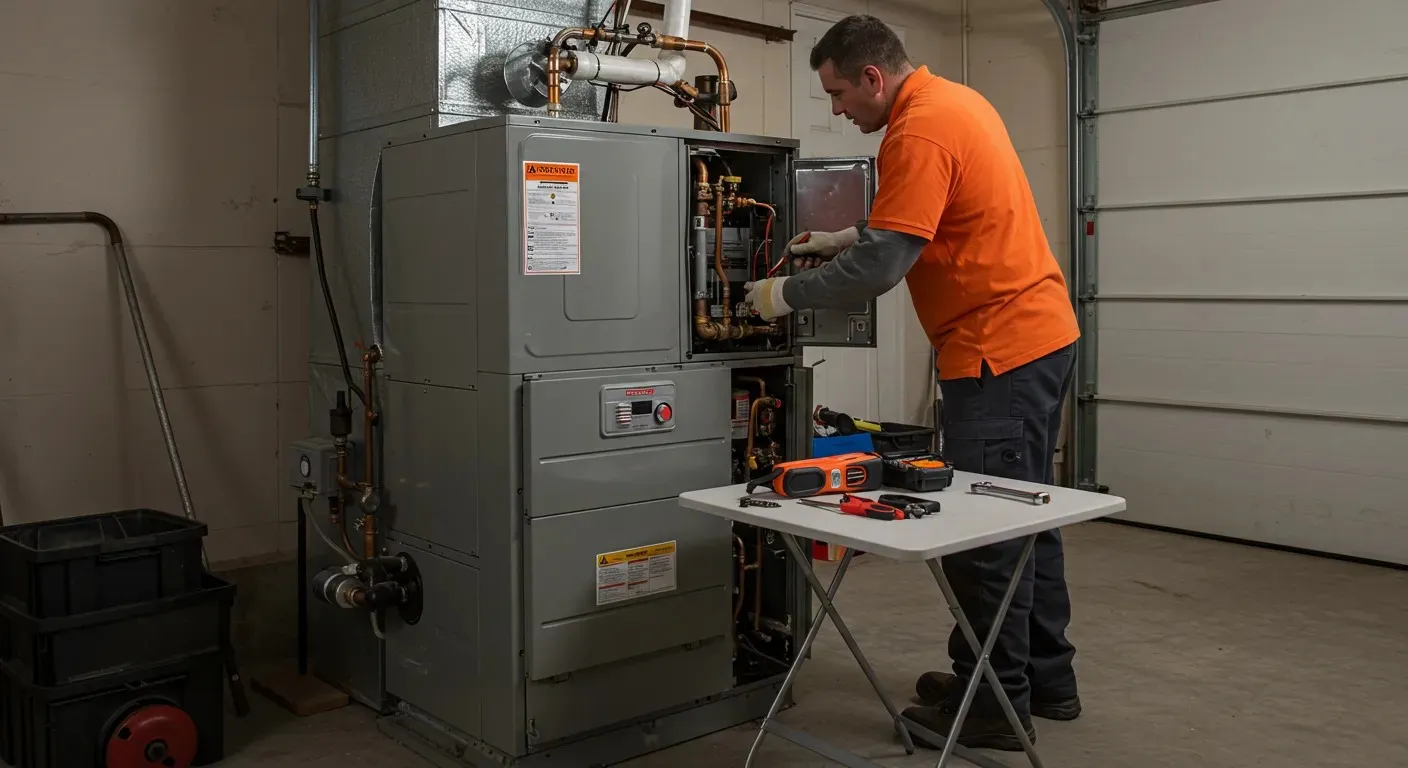
Why Professional Service Matters
Choosing a service provider for heating repair is a decision that impacts the safety and comfort of the home — read our reviews. The difference between a quick patch and a lasting repair often lies in the expertise of the technician and the quality of the parts used.
Professional service eliminates the risks associated with amateur repairs, such as gas leaks, electrical fires, or voided manufacturer warranties. A licensed provider carries the necessary insurance and certifications to work on high-voltage and gas-burning appliances safely. Furthermore, professional diagnostic tools allow for the identification of potential future issues that can be addressed proactively, saving money in the long run.
Ultimately, the goal is peace of mind. Knowing that the heating system has been inspected, tested, and repaired by a qualified expert allows homeowners to sleep soundly, regardless of the weather outside. AC Superheroes is committed to delivering this level of certainty with every service call.
Don't let a broken furnace leave your home in the cold. Secure your appointment now to ensure warmth and safety for your family.
What Our Clients Say
Hear from our satisfied customers about their experiences.
Your Comfort is Our Priority
Experience top-notch AC repair and maintenance services tailored to your needs. Schedule your service today!
