
Furnace Replacement in Lakeway, TX

Is Your Furnace Ready for the Cold Season?
As Lakeway nights start dropping into the chilly 30s, a failing furnace is the last thing you need. Ensure your home stays warm and safe with our professional furnace replacement services—Contact us today to schedule your consultation or discuss financing options.
AC Superheroes understands that a reliable heating system is not a luxury, but a necessity when the Texas winter settles in. We provide a streamlined, transparent replacement process designed to restore comfort to your home immediately.
- Guaranteed same-day service to keep your house warm
- Competitive pricing with transparent cost breakdowns
- Comprehensive warranties for peace of mind
All installations are fully licensed, meeting local codes with attractive financing options available.
Understanding the Scope of Modern Heating Installation
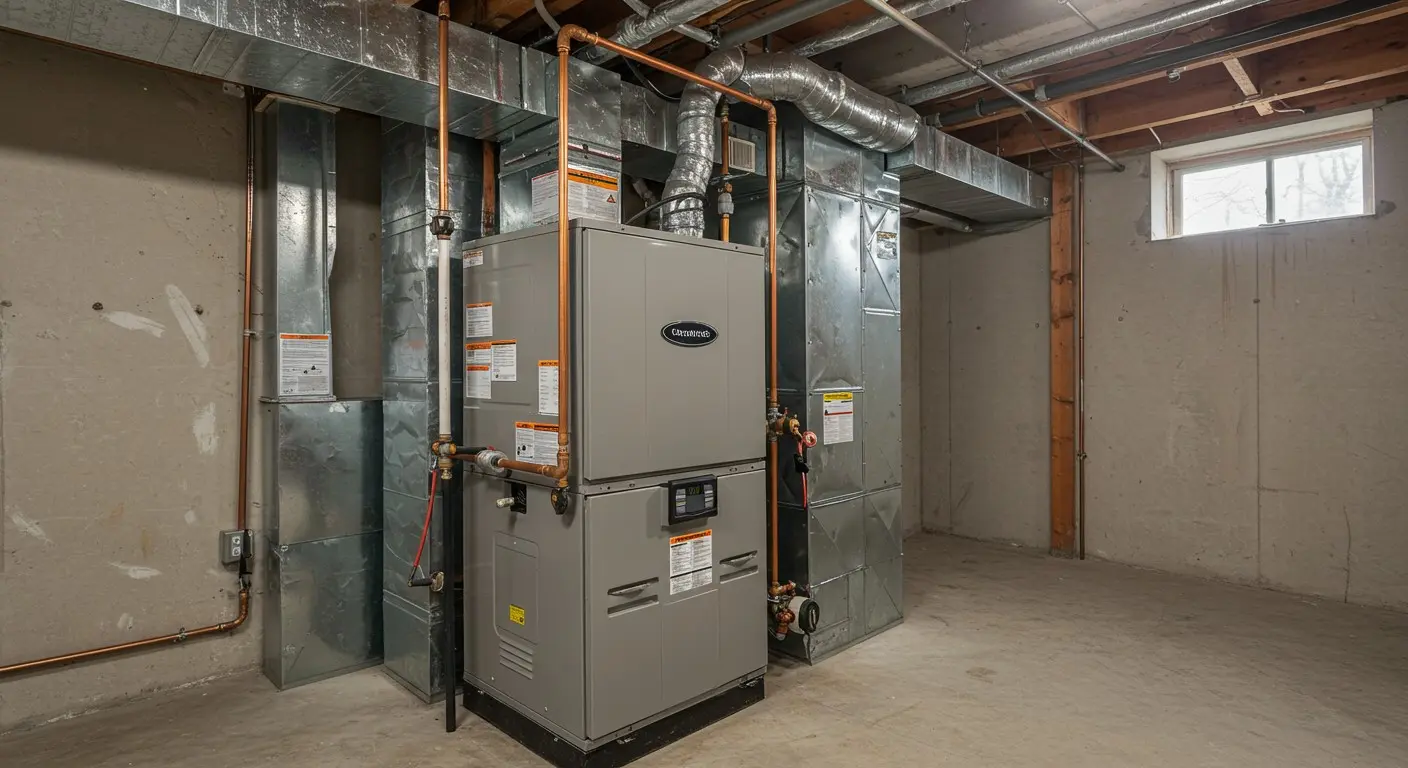
Replacing a heating system involves much more than swapping one box for another. It is a comprehensive construction project that integrates complex machinery into your home’s existing infrastructure. When homeowners in Lakeway invest in a new furnace, they are purchasing a complete home comfort solution that includes load calculation, safety verification, and airflow optimization.
Modern heating technology has advanced significantly over the last decade. A standard replacement today often upgrades the home to higher efficiency standards, measured by AFUE (Annual Fuel Utilization Efficiency) ratings. Moving from an old 80% AFUE unit to a modern 96% or higher condensing furnace means significantly less energy waste and lower monthly utility bills. However, this increased efficiency requires precise installation practices to ensure the equipment performs as rated.
The scope of a professional installation includes a full evaluation of the intake and exhaust piping. High-efficiency units require dedicated PVC venting rather than the traditional metal flues used by older atmospheric furnaces. The installation team assesses whether the existing gas lines can handle the BTU output of the new unit and if the electrical circuit is grounded and dedicated solely to the furnace.
Furthermore, the physical footprint of the unit is considered. Many modern units are physically smaller but require specific clearances for maintenance access and airflow. The plenum—the metal box that connects the furnace to the ductwork—must often be transitioned or rebuilt to prevent air turbulence that causes noise and reduces system longevity. Every component, from the gas valve to the thermostat interface, is selected to work in unison, providing consistent heat distribution throughout the property.
How the Replacement Process Works
A heating system replacement is a structured operation designed to minimize disruption to your daily life while ensuring strict adherence to safety protocols. The process is systematic, ensuring that every variable is accounted for before the heat is turned on.
Site Assessment and Load Calculation
The process begins with a Manual J load calculation. This engineering calculation determines exactly how much heat your specific home requires based on square footage, window direction, insulation levels, and ceiling height. Skipping this step often leads to "short cycling," where an oversized furnace turns on and off too frequently, causing premature wear.
Area Preparation and Protection
Technicians prepare the workspace to protect your flooring and property. Drop cloths are laid down from the entry point to the furnace location. Gas and electrical supplies are shut off and locked out for safety. If the furnace is in an attic or tight closet, specific rigging equipment may be set up to safely maneuver heavy equipment.
Decommissioning and Removal
The existing unit is disconnected from the gas line, electrical supply, and flue pipe. The plenum is carefully detached. The old equipment is then removed from the premises and hauled away for proper recycling and disposal according to EPA regulations. This step also involves inspecting the area beneath the old unit for any signs of moisture damage or mold that needs remediation before the new unit is placed.
Equipment Positioning and Connection
The new furnace is leveled and secured in place. Vibration isolation pads are often used to reduce operating noise. The supply and return plenums are sealed to the new unit using mastic sealant and aluminum tape to ensure zero air leakage. This airtight seal is critical for efficiency and preventing dust from entering the system.
Utility Integration
Gas lines are reconnected using new drip legs (sediment traps) and flexible connectors where code requires. The flue venting is installed with the correct slope to ensure combustion gases draft properly out of the home. Electrical connections are tightened, and the thermostat is wired to control the specific stages of heating the new unit offers.
System Commissioning and Testing
Once physically installed, the system is not just turned on; it is commissioned. Technicians measure static pressure in the ductwork to verify airflow matches the manufacturer's specifications. The gas manifold pressure is calibrated to ensure the flame burns clean and blue. Finally, a combustion analysis is performed to verify that carbon monoxide levels are zero and oxygen levels are within safe ranges.
When to Opt for Replacement Over Repair
Deciding between repairing an aging unit and investing in a replacement is a common dilemma for homeowners. While repairs can offer a short-term fix, there is a financial tipping point where replacement becomes the more prudent economic choice.
The Age of the System
Furnaces generally have a lifespan of 15 to 20 years. If your system is approaching or has exceeded the 15-year mark, parts are likely becoming obsolete, and the heat exchanger—the core component—is at higher risk of failure. Investing in expensive repairs for a unit at the end of its life is often throwing good money after bad.
The 50% Rule
A standard industry guideline is the 50% rule: if the cost of the repair equals 50% or more of the cost of a new system, you should replace it. This is especially true if the unit is out of warranty. For example, replacing a blower motor and control board simultaneously can be costly enough to justify putting those funds toward a brand-new system with a fresh warranty — view current promotions.
Safety Concerns
The most critical reason to replace is a cracked heat exchanger. This component separates the breathing air in your home from the combustion gases. A crack allows carbon monoxide to leak into the living space, posing a severe health risk. If a technician detects a crack, the unit must be shut down immediately. In this scenario, replacement is the only safe option, as replacing a heat exchanger is labor-intensive and costly.
Rising Energy Bills
If you notice your gas or electric usage climbing steadily despite normal usage, your furnace is losing efficiency. As internal components wear and dirt accumulates in hard-to-reach areas, the system works harder to produce the same amount of heat. Upgrading to a modern system can often reduce heating costs by 20% to 30% immediately.
Uneven Heating and Comfort Issues
If some rooms in your house are freezing while others are roasting, the current furnace may be improperly sized or the blower motor may be failing to push air effectively. Modern variable-speed furnaces run at lower capacities for longer periods, gently mixing the air to eliminate hot and cold spots, providing a level of comfort that older single-stage units cannot achieve.
Local Considerations and Requirements
Operating a heating system in Lakeway, TX, involves specific regional factors that influence installation and equipment selection. While the winters are generally mild compared to northern states, the region experiences sharp cold snaps where temperatures drop below freezing, putting sudden, intense demand on heating systems.
Permitting and Codes
Furnace replacements in this area generally require a mechanical permit. This ensures that the installation meets current safety codes regarding gas line sizing, venting clearances, and electrical safety. AC Superheroes handles the permit acquisition process and coordinates the final inspection with city officials, ensuring the homeowner is not burdened with bureaucratic details.
Gas vs. Electric considerations
Many homes in the area rely on electric heat pumps due to the moderate climate, but gas furnaces remain popular for their ability to deliver warmer air faster (high heat rise). Understanding the local utility rates and availability of natural gas versus propane is vital when choosing a unit. For homes without gas access, installing a high-efficiency air handler with heat strips is the standard alternative.
Insulation and Ductwork Challenges
Homes in this region often have ductwork running through unconditioned attics. In winter, heat loss through these ducts can be significant. A proper replacement service includes inspecting the ductwork for leaks and insulation quality. If the ducts are leaking warm air into the attic, even the most efficient furnace will fail to keep the home comfortable efficiently.
Water Management for High-Efficiency Units
High-efficiency condensing furnaces produce water (condensate) as a byproduct of operation. Since local winters can see freezing temperatures, this condensate line must be properly routed and insulated to prevent freezing, which would cause the furnace to shut down. Technicians must ensure the drain lines flow to a proper disposal point, often requiring a condensate pump if a gravity drain isn't available.
Why Professional Installation Matters
The quality of the installation is more important than the brand of the equipment. A top-tier furnace installed poorly will operate less efficiently and fail sooner than a mid-range unit installed perfectly. The difference lies in the technical details that are invisible to the untrained eye but critical for performance.
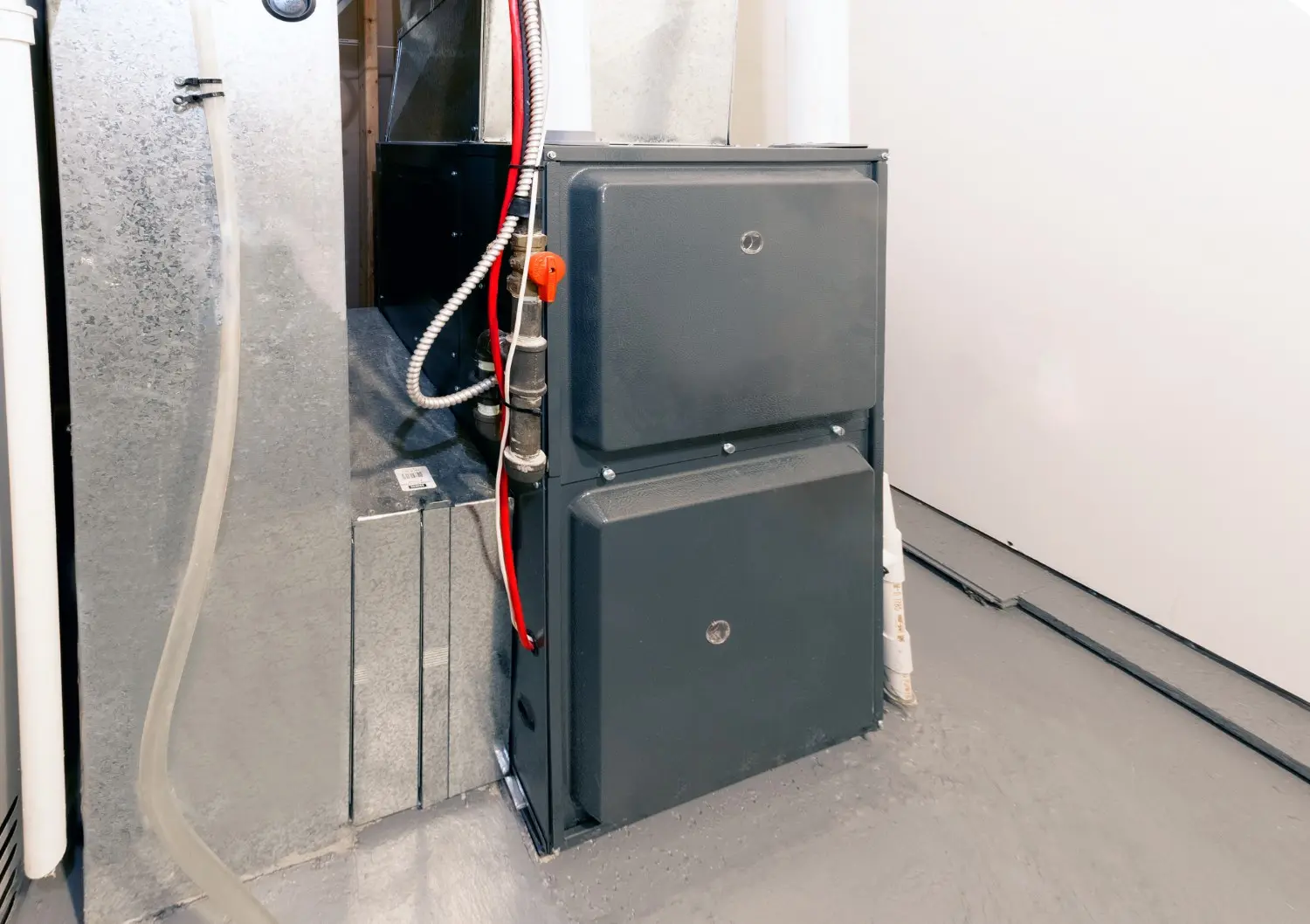
Professional installers prioritize safety above all else. Dealing with combustible gas and high-voltage electricity requires rigorous training and certification. NATE-certified technicians understand the chemistry of combustion and the physics of airflow. They do not guess; they measure. This adherence to scientific standards ensures that the manufacturer’s warranty remains valid. Most manufacturers will void warranties if the equipment is not installed by a licensed professional or if it is registered without proof of professional installation.
Furthermore, a professional approach involves respect for the home. This means using drop cloths, wearing shoe covers, and cleaning up thoroughly after the job. It involves taking the time to explain the new thermostat to the homeowner, showing them how to change the filter, and discussing maintenance requirements. It is about building a relationship based on trust and technical competence.
Contact Us Today
When you choose a professional service, you are also securing post-installation support. If an issue arises a week or a month later, a reputable provider will return to assess and correct the problem without hesitation. This level of accountability provides security that a "tail-light warranty"—where the guarantee ends as soon as the truck drives away—cannot offer.
Trust AC Superheroes for a furnace replacement experience that prioritizes your safety, comfort, and long-term financial savings.
Ready to upgrade your home comfort? Contact us today to schedule your furnace assessment.
What Our Clients Say
Hear from our satisfied customers about their experiences.
Your Comfort is Our Priority
Experience top-notch AC repair and maintenance services tailored to your needs. Schedule your service today!
