
Furnace Tune Up in Pflugerville, TX

Is Your Furnace Failing to Keep Your Home Warm This Winter?
Nothing disrupts the comfort of your home like a malfunctioning furnace during the chilly nights in Pflugerville and the surrounding Texas areas. When your heating system operates inefficiently, it leads to uneven temperatures, inflating energy bills, and potential safety hazards for your family. AC Superheroes provides comprehensive, same-day furnace tune-up services to restore system reliability and ensure your home remains warm throughout the season. Contact us today or inquire about our flexible financing options to schedule your service.
- Same-day service availability to quickly restore your comfort.
- Professional inspections and maintenance from certified technicians.
- Clear, upfront pricing with no hidden fees.
All services are fully licensed, bonded, and insured with flexible financing options available.
Comprehensive Furnace Maintenance Scope and Timeline
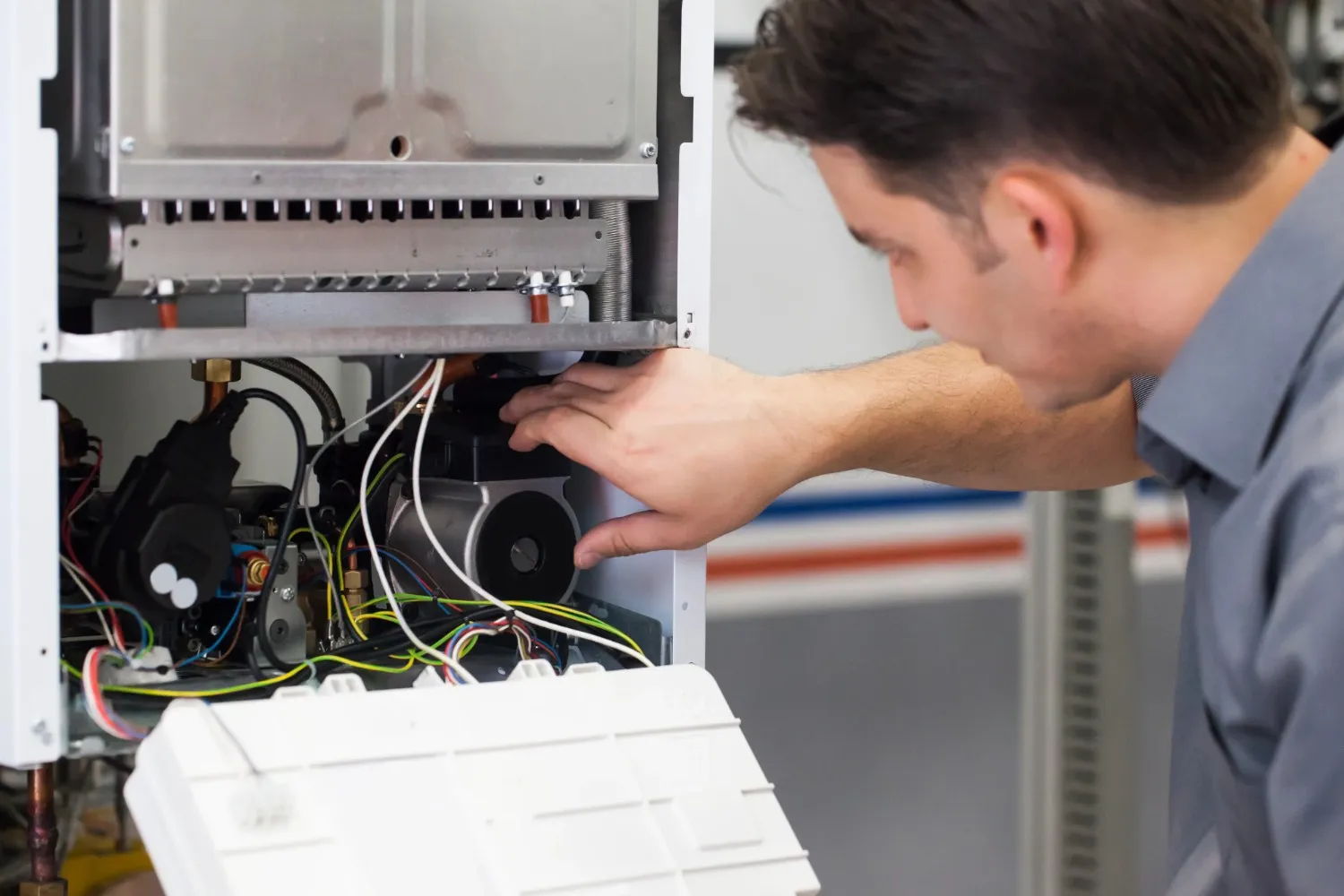
A professional furnace tune-up is not merely a visual check; it is a rigorous, multi-point inspection and calibration process designed to bring your heating unit back to manufacturer specifications. Over time, components inside your furnace degrade due to thermal stress and continuous operation. Dust accumulation reduces airflow, while vibration can loosen electrical connections. Without intervention, these minor issues compound into catastrophic failures that often occur when the weather is coldest.
When a technician arrives at your property, the focus is on optimizing the entire heating envelope. This involves a detailed assessment of the combustion process, airflow mechanics, and safety control systems. The goal is to maximize the Annual Fuel Utilization Efficiency (AFUE) rating of your unit, ensuring that you are getting the most heat output for every dollar spent on fuel or electricity.
Standard maintenance visits typically require between one to two hours, depending on the condition of the unit and accessibility. During this time, the technician addresses several critical areas:
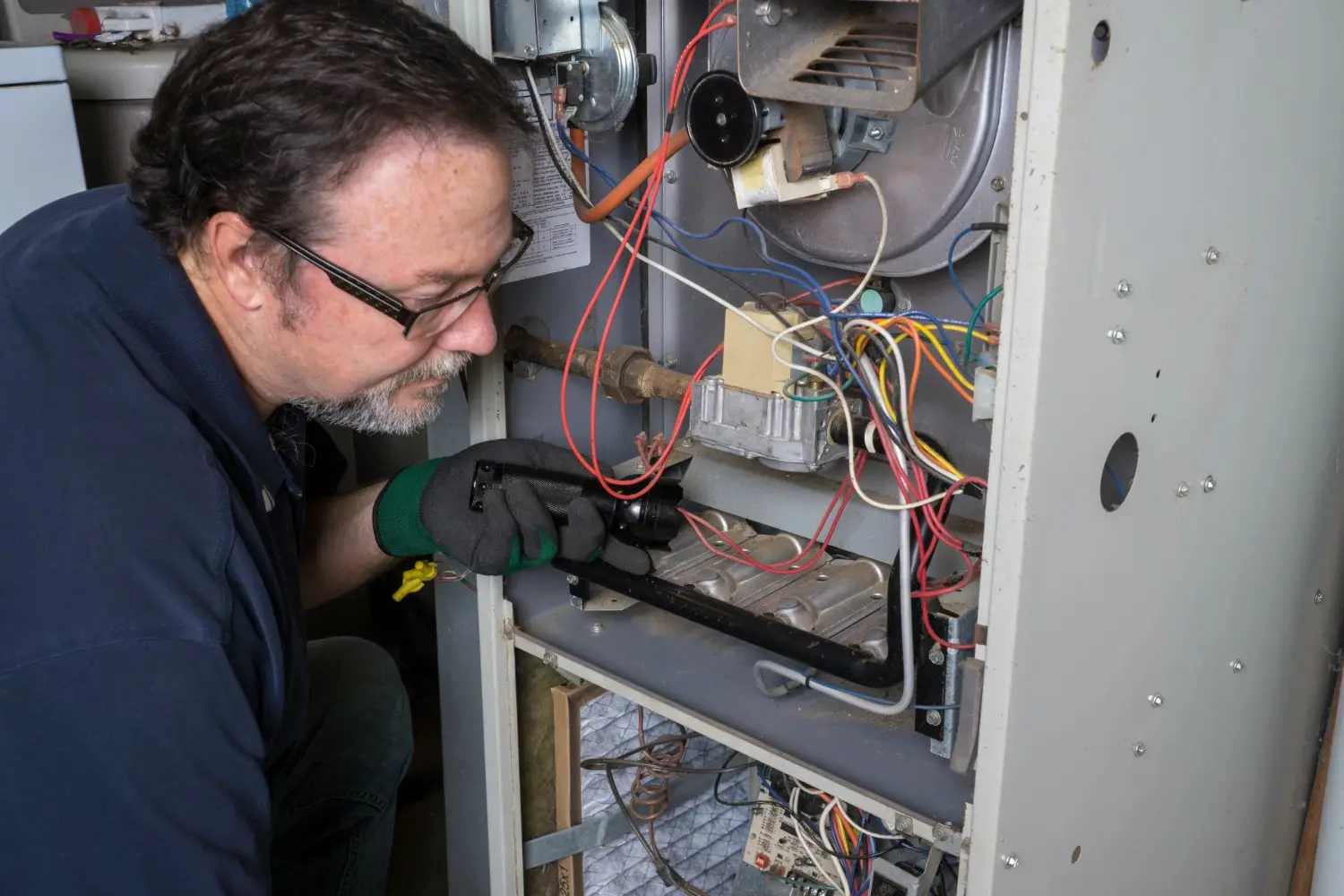
- Combustion Analysis: The burner assembly is inspected for proper ignition and flame characteristics. Technicians look for a steady, blue flame; a yellow or flickering flame often indicates incomplete combustion, which can lead to carbon monoxide production.
- Heat Exchanger Integrity: This is one of the most vital safety checks. The heat exchanger is examined for cracks or corrosion. A compromised heat exchanger allows exhaust gases, including carbon monoxide, to mix with the breathing air in your home.
- Blower Motor Performance: The blower motor drives warm air through your ductwork. Technicians check the amperage draw of the motor, lubricate bearings if necessary, and clean the blower wheel to ensure optimal airflow and reduce strain on the motor.
- Safety Control Testing: Every furnace is equipped with safety switches, such as the high-limit switch and the flame rollout switch. These are tested to ensure they effectively shut the unit down in the event of overheating or back-drafting.
- Electrical Connection Tightening: Loose wires cause resistance, which leads to heat buildup and burnt connections. All electrical connections are tightened, and voltage is measured to prevent unexpected electrical failures.
The Step-by-Step System Restoration Process
Understanding how the maintenance process unfolds helps homeowners prepare for the visit and ensures transparency regarding the work being performed. The process is systematic, ensuring no component is overlooked.
First, the technician performs a pre-service operation check. The thermostat is adjusted to call for heat, allowing the expert to observe the startup sequence. This initial phase helps identify immediate irregularities, such as delayed ignition, strange noises, or short-cycling, where the furnace turns on and off too frequently.
Next, power to the unit is disconnected to ensure safety during the internal inspection. The cabinet panels are removed to access the internal components. At this stage, a thorough cleaning is performed. Dust and debris are vacuumed from the burner compartment and the blower cabinet. A clean system runs cooler and lasts longer, as dirt is the primary enemy of mechanical equipment.
Following the cleaning, the calibration phase begins. For gas furnaces, the gas valve pressure is measured and adjusted to match the manufacturer's specifications. Incorrect gas pressure can lead to inefficient heating or damage to the heat exchanger. The pilot light or hot surface igniter is examined for wear and tear. If the igniter is weak, it is recommended for replacement to prevent a future "no heat" call.
Finally, the system is reassembled and powered on for a post-service analysis. The technician measures the temperature rise—the difference in temperature between the air entering the return vent and the air exiting the supply vents. This metric confirms that the furnace is producing the correct amount of heat and that the blower is moving air at the right speed. The visit concludes with a detailed report explaining the findings, any immediate repairs needed, and the overall health score of the heating system.
Deciding Between a Tune-Up, Repair, or Replacement
Homeowners often face the dilemma of whether to continue maintaining an existing unit or to invest in a new system. While regular tune-ups extend the life of equipment, there comes a point where repair is no longer the most economical option. Making this decision requires analyzing the age of the unit, the frequency of breakdowns, and the efficiency of operation.
The 50% Rule:
A common industry standard for making this decision is the 50% rule. If the cost of a necessary repair approaches or exceeds 50% of the cost of a new system, replacement is generally the wiser financial choice. Putting extensive money into an old system does not reset its age; it simply fixes one component while others remain prone to failure.
Age of the Equipment:
Most gas furnaces have a lifespan of 15 to 20 years, while heat pumps typically last 10 to 15 years. If your unit in Pflugerville is nearing the end of this window and requires a significant part replacement, such as a blower motor or control board, a tune-up or minor repair may only be a temporary bandage. Newer models offer significantly higher efficiency ratings, which can lower monthly utility bills enough to offset the installation cost over time.
Frequency of Repairs:
If you find yourself calling for service multiple times in a single season, the system has likely become unreliable. Recurring issues indicate that the internal components are failing in succession. In this scenario, a replacement provides peace of mind and warranty protection that an old unit cannot offer.
Safety Concerns:
A cracked heat exchanger is an immediate red flag requiring system replacement. Because of the risk of carbon monoxide poisoning, repairs to heat exchangers are rarely recommended or even legally permissible in some contexts due to the high risk of failure. If a tune-up reveals this specific issue, replacement is the only safe path forward.
Navigating Local Regulations and Regional Climate Factors
Operating a furnace in Texas presents unique challenges compared to other regions. The climate here is characterized by significant temperature variations. It is not uncommon to need heating in the early morning and air conditioning by the afternoon during the swing seasons. This "dual duty" puts distinct stress on HVAC systems, particularly on the heat exchanger, which expands and contracts with thermal cycles.
Permits and Codes:
HVAC work in the region is governed by the Texas Department of Licensing and Regulation (TDLR). Any significant repair or replacement of heating equipment must comply with the Texas Residential Energy Code. Professional technicians ensure that all work meets these stringent standards. This includes adherence to venting requirements for gas furnaces to prevent back-drafting of exhaust gases into the living space. Compliance is not just a legal formality; it is a critical safety verification.
Utility Requirements:
Local utility providers often have specific requirements regarding the connection of gas lines and electrical circuits. During a tune-up, technicians verify that the gas piping includes a proper drip leg (sediment trap) to prevent debris from the gas line from entering the gas valve. They also ensure the electrical disconnect is accessible and compliant with local electrical codes.
Efficiency Standards:
Texas homeowners should also be aware of regional efficiency standards. While heating loads are lower here than in northern states, the efficiency of the blower motor impacts cooling efficiency as well. Since the furnace blower works year-round (circulating air for both heating and cooling), maintaining a high-efficiency motor is crucial for keeping annual energy costs down in the local climate.
Why Homeowners Choose Professional Maintenance
Attempting DIY maintenance on a modern heating system is rarely effective and can be dangerous. Modern furnaces are complex machines integrating advanced electronics with combustible fuels. AC Superheroes employs technicians who understand the intricacies of these systems and bring the necessary diagnostic tools to the job.
Advanced Diagnostic Tools:
Professional tune-ups utilize tools that the average homeowner does not possess. This includes manometers for measuring gas pressure, multimeters for checking electrical capacitance, and combustion analyzers for detecting carbon monoxide leaks and efficiency ratios. These tools provide a quantitative assessment of the furnace's health that goes beyond "it seems to be working."
Warranty Preservation:
Most furnace manufacturers require proof of annual professional maintenance to keep the warranty valid. If a major component fails and the homeowner cannot prove the system was maintained by a licensed professional, the manufacturer may void the warranty, leaving the homeowner responsible for the full cost of the part.
Safety Assurance:
The primary benefit of professional service is safety. Gas leaks and carbon monoxide are silent hazards. Certified technicians are trained to detect minute leaks in gas piping and hairline cracks in heat exchangers that are invisible to the untrained eye. They also verify that all safety limits are functioning correctly, ensuring the unit shuts down immediately if a hazardous condition arises.
Long-Term Savings:
While there is a cost associated with professional maintenance, it is an investment that pays dividends. A tuned-up furnace runs more efficiently, consuming less fuel to reach the desired temperature. Furthermore, catching a failing capacitor during a tune-up costs significantly less than an emergency service call when that failed capacitor causes the blower motor to burn out in the middle of a freeze.
Secure Your Comfort and Safety Today
Don't wait for the first freeze to discover your heating system is compromised. Proactive maintenance is the key to a warm, safe, and energy-efficient home. Our team ensures that your system is thoroughly inspected, cleaned, and calibrated to meet the demands of the Texas winter.
Secure your appointment with AC Superheroes now to guarantee reliable heating when you need it most.
What Our Clients Say
Hear from our satisfied customers about their experiences.
Your Comfort is Our Priority
Experience top-notch AC repair and maintenance services tailored to your needs. Schedule your service today!
