
Heating Repair in Round Rock, TX

Restore Warmth to Your Home When the Furnace Quits Unexpectedly
When your heating system falters during a sudden Central Texas freeze, the dropping temperature inside your home creates immediate stress and safety concerns. Contact us immediately at or apply for financing to get a certified technician to your door.
A broken heater in Round Rock isn't just an inconvenience; it disrupts your daily life and can endanger plumbing and comfort levels rapidly. You need a team that understands local building codes and carries the specific components required to get your system running in a single visit.
- Rapid response within 24 hours to restore comfort and safety.
- Transparent, competitive pricing with no hidden fees or surprise upcharges.
- Experienced technicians ensuring effective resolution for all major makes and models.
All repairs are backed by a full warranty and strict adherence to local safety codes.
What to Expect From Your Heating Service Call
When you request a heating repair, the priority is accurate diagnostics followed by an immediate solution. AC Superheroes approaches every service call with a fully stocked mobile warehouse, aiming to resolve the issue without waiting for parts to ship. The goal is to minimize the downtime of your system so you can return to a comfortable living environment.
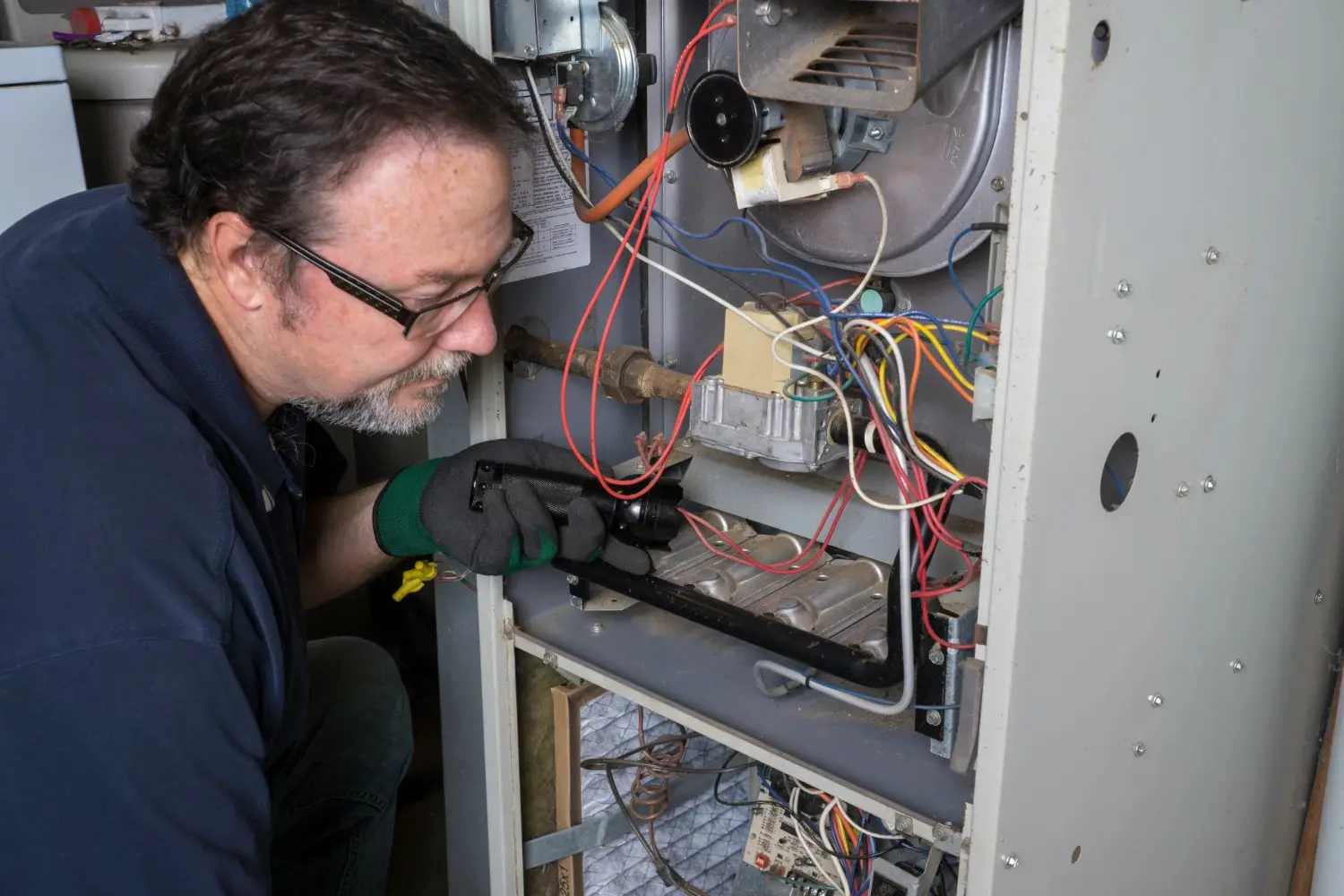
Upon arrival, a licensed technician performs a comprehensive safety and performance evaluation. This includes testing the ignition system, checking the heat exchanger for cracks—a critical safety step to prevent carbon monoxide leaks—and verifying proper airflow. In Round Rock and the surrounding areas, heating systems often sit idle for long periods due to the warm climate. This inactivity can lead to specific mechanical failures, such as dried-out bearings or rusted electrical connections, which are identified during the initial assessment.
The scope of repair covers the entire heating envelope. Whether you rely on a gas furnace, an electric air handler, or a heat pump, the diagnostic process isolates the root cause. You receive a clear explanation of the failure, a flat-rate quote for the repair, and a timeline for completion. Most repairs, such as replacing a flame sensor, capacitor, or control board, are completed on the spot. If the system requires a specialized component, the sourcing process is handled immediately to expedite the return of heat to your home.
The Heating Repair Process: From Diagnosis to Resolution
Understanding the steps involved in a professional repair helps you manage your time and expectations. The process is designed to be efficient, thorough, and respectful of your property.
Initial System Assessment
The technician begins by cycling the thermostat to observe how the system attempts to start. They listen for specific sounds—clicking, grinding, or humming—that indicate where the failure is occurring. During this phase, they also check the filter and intake vents to ensure airflow restriction isn't the primary culprit.
Safety and Electrical Testing
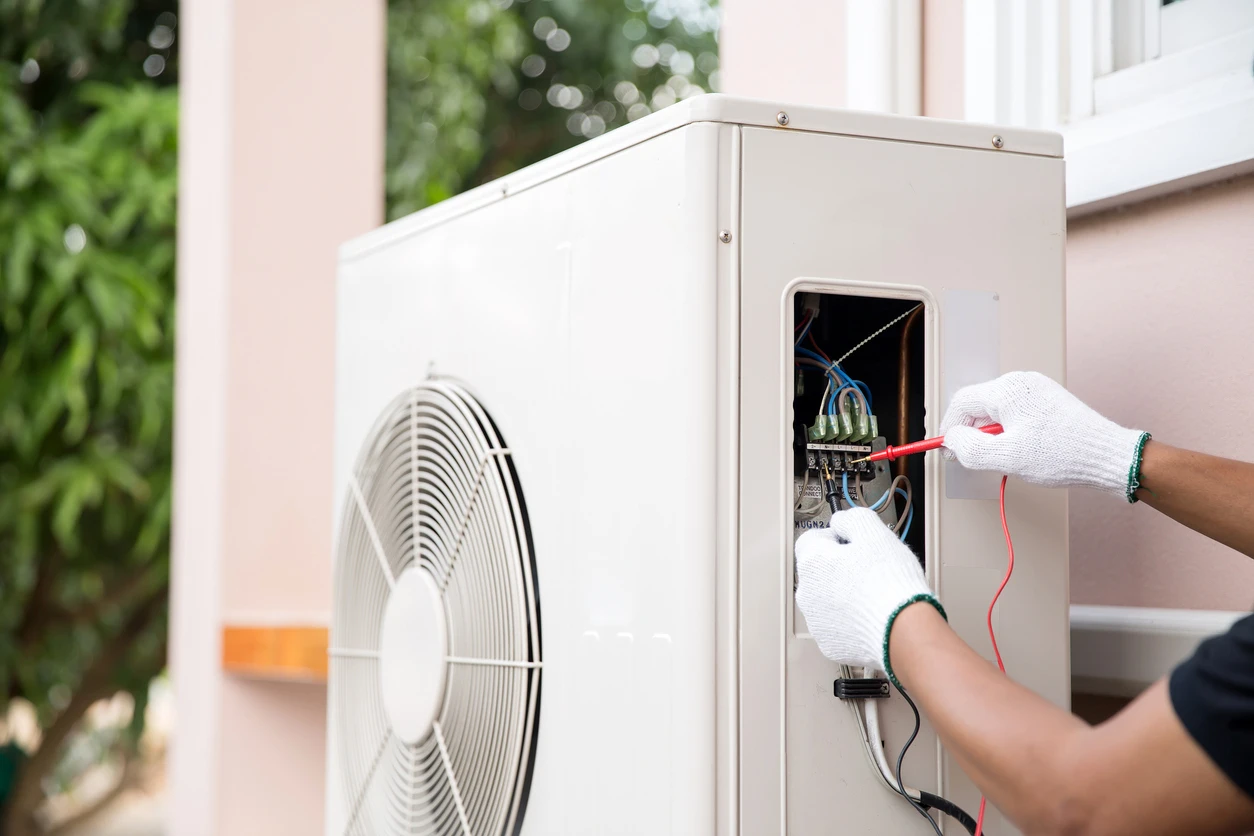
Using multimeters and specialized gauges, the technician tests the electrical supply to the unit. They measure the voltage and amperage of motors and the igniter. For gas systems, this step involves checking gas pressure and ensuring the flue pipe is venting exhaust gases correctly outside the home. Safety switches, such as the limit switch and rollout switch, are tested to ensure they are functioning to protect the unit from overheating.
Component Isolation and Quote Generation
Once the specific part or workflow failure is identified, the technician explains the findings. You are presented with the options available. In some cases, a part can be cleaned or adjusted; in others, it must be replaced. A firm price is provided before any wrench is turned, ensuring you have total financial control over the service.
Execution of Repairs
The technician proceeds with the approved work. This may involve disassembling the blower compartment, wiring in a new control board, or replacing a cracked hot surface ignitor. The workspace is kept clean, and drop cloths are used to protect your flooring.
Final Calibration and Testing
After the repair is made, the system is not just turned on; it is calibrated. The technician measures the temperature rise—the difference in temperature between the air entering and leaving the furnace—to ensure it matches the manufacturer's specifications. This confirms the system is heating efficiently and not overworking.
Post-Repair Report
You receive a digital or physical report detailing what was done, the parts used, and the warranty coverage on the repair. The technician also provides advice on how to prevent future issues, such as recommended filter change schedules based on your specific equipment.
Critical Signs Your Heating System Needs Professional Attention
Waiting until the system stops working entirely often leads to more expensive repairs or emergency service fees. Heating systems usually give warning signs before catastrophic failure. Recognizing these early allows for scheduled maintenance rather than emergency intervention.
Inconsistent Cycling
If the furnace turns on and off frequently (short cycling), it indicates the system is overheating or the flame sensor is failing. This places immense stress on the heat exchanger and blower motor.
Unusual Auditory Cues
Furnaces should run relatively quietly. A scraping metal sound often points to a loose blower wheel or worn motor bearings. A loud boom upon startup suggests delayed ignition, which can be dangerous as it indicates gas is building up before the flame ignites.
Yellow Burner Flame
For gas furnaces, the flame should be a steady blue. A yellow or flickering flame is a sign of incomplete combustion. This is a serious issue that can lead to carbon monoxide production and requires immediate professional attention.
Rising Energy Bills
If your heating usage hasn't changed but your utility bill has spiked, the system is losing efficiency. It may be running longer to achieve the set temperature due to failing internal components or ductwork leaks.
Thermostat Discrepancies
When the room temperature never matches the thermostat setting, the issue may lie within the thermostat calibration or the communication between the control unit and the furnace board.
Deciding Between Repair and System Replacement
Homeowners often face the difficult choice of sinking money into an old unit or investing in a new one. This decision shouldn't be based on a guess. There are concrete metrics used to determine which path makes the most financial sense.
The 50% Rule
If the cost of the repair approaches 50% of the value of the system (or the cost of a new unit), replacement is generally the wiser financial move. Investing heavily in a depreciating asset rarely yields a return.
Equipment Age
The average lifespan of a furnace or heat pump in Central Texas is between 10 and 15 years. If your unit is over 12 years old and requires a major repair like a blower motor or compressor, replacement offers better long-term value through improved energy efficiency and warranty coverage.
Frequency of Breakdowns
If you have required repairs in the last two consecutive seasons, the system is likely entering the end of its reliable life. "Nickel and diming" a failing system often costs more over two years than the monthly payments on a new, high-efficiency unit.
Safety Considerations
Any damage to the heat exchanger involves a risk of carbon monoxide. In almost all cases of heat exchanger failure, replacement of the furnace is the only safe option.
Local Regulations, Utilities, and Seasonal Factors
Operating a heating system in this region requires specific knowledge of local conditions. The infrastructure in Round Rock and the surrounding county impacts how repairs are handled and what homeowners should expect regarding codes and utilities.
Permitting and Code Compliance
Significant repairs, particularly those involving gas lines or total system replacements, often require permits from the City of Round Rock Building Inspection Division. Professional repair services handle the pulling of these permits to ensure all work is compliant with current safety codes. This is vital for insurance purposes and future resale value of the home.
Gas vs. Electric Infrastructure
The area utilizes a mix of natural gas and electric heat pumps. Troubleshooting varies significantly between the two. Gas systems require strict adherence to ventilation codes, while heat pumps often struggle with the "defrost cycle" during high-humidity freezes common in Texas. Technicians must be versed in the specific grid load issues that can affect electric heating boards during peak winter demand.
The Impact of Mild Winters
Because winters here are generally mild with short, intense freezes, systems sit dormant for months. This dormancy causes dust to settle on ignitors and burners. When the system is finally engaged, this dust burns off (creating a smell), but it can also clog sensors. The rapid shift from air conditioning to heating places stress on the reversing valves of heat pumps, a common point of failure in this climate.
Why Technical Expertise Matters for Heating
Choosing a service provider involves looking at technical qualifications rather than just availability. Heating systems are complex appliances that combine high-voltage electricity, combustible gases, and pressurized refrigerants.
Diagnostic Accuracy
A misdiagnosis leads to replaced parts that weren't broken, while the real issue persists. Certified technicians utilize advanced diagnostic tools to pinpoint the exact failure, ensuring you only pay for what is actually needed.
Truck Stock Efficiency
The ability to fix a problem in one trip depends on inventory. Professional services maintain a fleet of trucks stocked with universal and OEM parts for the most common brands found in the region, including Carrier, Lennox, Trane, and Goodman.
Safety Protocols
Carbon monoxide is odorless and colorless. Professionals carry calibrated detectors to verify that your system is venting safely. They also inspect the integrity of the ventilation flue, ensuring no blockages from bird nests or debris that could force exhaust back into the home.
Warranty Preservation
Manufacturer warranties often require proof that repairs and maintenance were performed by a licensed professional. DIY fixes or repairs by handyman services can void the manufacturer's coverage, leaving you liable for future component failures.
When the temperature drops and your system fails, you need a solution that is permanent and safe. Do not settle for temporary patches that leave your home vulnerable to the next cold front. Trust the expertise of AC Superheroes to diagnose the issue correctly and restore warmth to your living space efficiently.
Take Action to Restore Your Comfort
A malfunctioning heating system compromises your home's comfort and safety. Do not wait for the issue to escalate into a complete system failure. Secure a professional diagnostic today to identify the problem and implement a lasting repair.
What Our Clients Say
Hear from our satisfied customers about their experiences.
Your Comfort is Our Priority
Experience top-notch AC repair and maintenance services tailored to your needs. Schedule your service today!
