
Heating Replacement in Cedar Park, TX

Is Your Heating System Failing to Keep Up When Temperatures Drop?
Tired of frequent breakdowns and inefficient heating during Cedar Park’s chilly winter nights? A timely heating system replacement is often the most cost-effective pathway to restoring consistent comfort and energy efficiency in your home. Call us today to schedule your evaluation or click here to view our flexible financing options.
The decision to install a new heating unit is significant, but it yields immediate returns in comfort and safety.
- Experience rapid installation with our prioritized service scheduling.
- Enjoy peace of mind with manufacturer warranties and versatile financing options.
- Reduce your monthly utility bills with high-efficiency heating solutions.
Fully licensed and always complying with local safety codes, we make your installation worry-free and compliant from start to finish.
What to Expect From Your Heating Installation Service
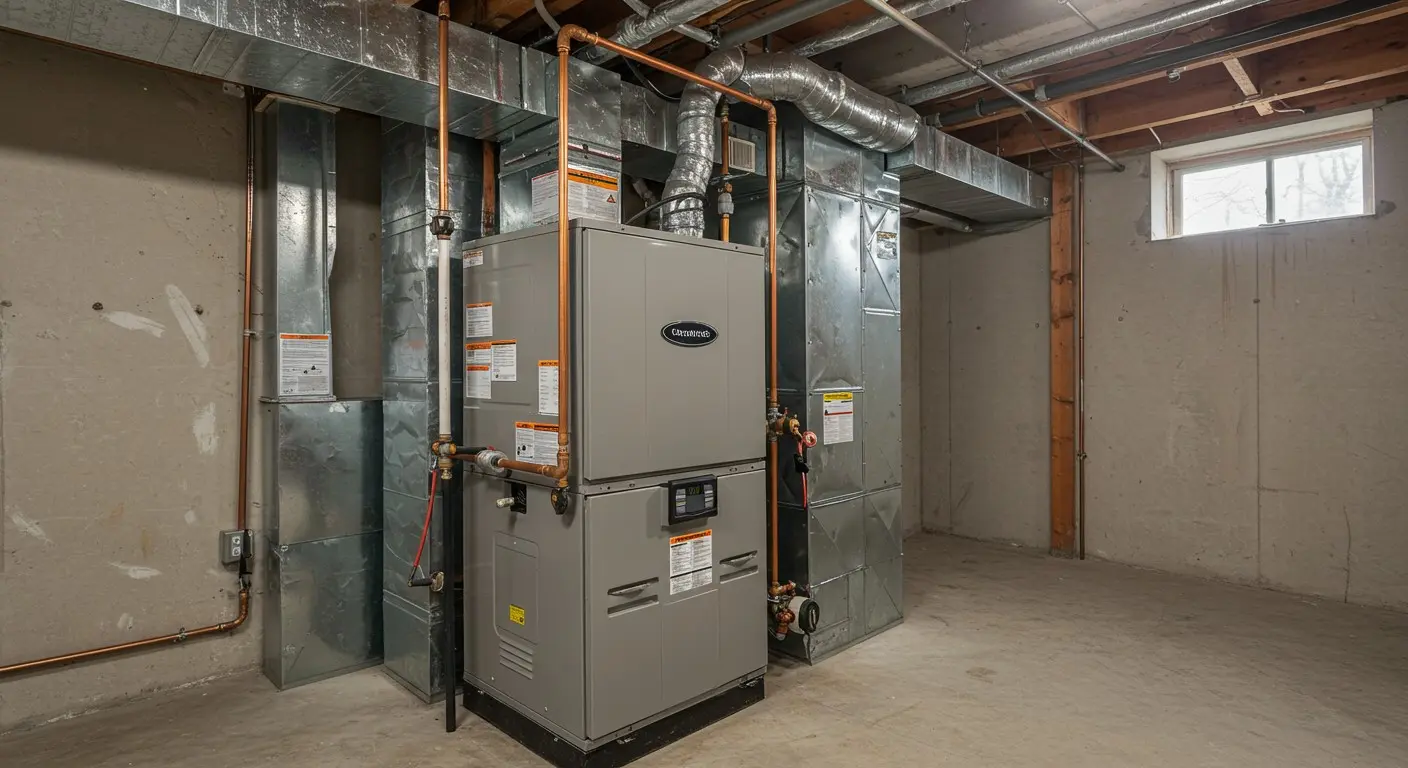
When you invest in a heating replacement, you are purchasing more than just a piece of machinery; you are securing a comprehensive service designed to optimize your home’s climate control for the next 15 to 20 years. The goal is to ensure the new system integrates perfectly with your existing home infrastructure.
The scope of a professional replacement includes a thorough assessment of your current setup. This involves inspecting the ductwork for leaks or insulation failures that could undermine the efficiency of a new unit. Simply swapping out a box without checking the air distribution system often leads to performance issues. We ensure that the airflow matches the capacity of the new furnace or heat pump.
Removal and disposal of the old unit are standard parts of the service. Handling old equipment, particularly gas furnaces or units containing refrigerant, requires adherence to environmental regulations. We handle the safe disconnection of gas lines, electrical wiring, and flue pipes, ensuring no hazardous materials are left behind.
Modern systems often require thermostat upgrades to communicate effectively with variable-speed blowers or multi-stage burners. The installation scope typically includes setting up these advanced controls, allowing you to manage temperature and humidity levels with greater precision.
The Step-by-Step Heating Replacement Process
A systematic approach ensures that your new heating system operates at peak performance from day one. Skipping steps in the installation process can reduce efficiency by up to 30%, which is why adherence to a strict protocol is necessary.
Load Calculation and Sizing
The process begins with a Manual J load calculation. This technical assessment considers the square footage of your home, insulation levels, window types, and local climate data. Installing a unit that is too large will cause short-cycling, leading to wear and tear, while a unit that is too small will run continuously without reaching the set temperature. Correct sizing is the foundation of efficiency.
Site Preparation and Protection
Before the physical work begins, the workspace is prepped to protect your flooring and surrounding areas. Technicians verify that the installation area—whether in an attic, closet, or garage—meets current code requirements for clearance and ventilation.
System Extraction
The existing system is disconnected from the power source and fuel supply. Technicians carefully dismantle the plenum connections and remove the old equipment. This step is done with precision to avoid damaging the surrounding ductwork or structural elements.
New Unit Installation
The new furnace or air handler is positioned and leveled. Proper leveling is critical for drainage and quiet operation, particularly for high-efficiency condensing furnaces that produce condensate water. The plenum is reconnected and sealed with mastic or foil tape to prevent air leakage.
Utility Connections
For gas systems, the fuel line is connected and tested for leaks using specialized detection fluid or electronic sniffers. Electrical connections are tightened and verified against the voltage requirements of the new equipment. If a heat pump is being installed, the refrigerant lines are brazed, pressure-tested with nitrogen, and evacuated to remove moisture before being charged.
Commissioning and Testing
Once the physical installation is complete, the system is started. Technicians measure static pressure in the ducts, temperature rise across the heat exchanger, and gas manifold pressure. These metrics confirm that the system is operating within the manufacturer’s specified parameters.
Determining When Replacement is the Better Investment Over Repair
Homeowners often struggle with the decision to repair an aging unit or invest in a new one. While repairs can solve immediate issues, they often delay the inevitable at a higher cumulative cost. There are clear technical indicators that suggest replacement is the financially sound choice.
The 50% Rule
If the cost of a necessary repair approaches 50% of the value of a new system, replacement is generally recommended. As equipment ages, the likelihood of a secondary component failure increases. Spending money on a compressor or heat exchanger for a 15-year-old unit rarely provides a good return on investment.
Age and Reliability
Most heating systems have a service life of 12 to 15 years. Beyond this point, metal fatigue in heat exchangers and wear on motor bearings become prevalent. If your system requires frequent service calls or if you find yourself worrying about whether the heat will turn on during a freeze, the system has reached the end of its reliable life. AC Superheroes recommends evaluating the history of the unit; a pattern of escalating repairs is a strong signal to upgrade.
Efficiency Ratings
Older units often operate at 60% to 70% AFUE (Annual Fuel Utilization Efficiency), meaning 30% to 40% of the energy you pay for is wasted. Modern standard units start at 80% efficiency, with high-efficiency models reaching up to 98%. Upgrading from an old system to a modern one can result in significant monthly savings, which helps offset the installation cost over time.
Safety Concerns
Older gas furnaces are susceptible to cracked heat exchangers. This is a serious safety hazard that can allow carbon monoxide to leak into the living space. If a crack is detected, the unit must be shut down immediately. In these scenarios, replacement is the only safe option.
Navigating Heating Requirements in Your Area
Operating in the local area requires knowledge of specific challenges related to climate and regulation. While winters here are milder compared to northern states, the temperature drops can be sharp and sudden, putting immense strain on heating systems that are not properly maintained or sized.
Permitting and Code Compliance
Local municipalities typically require permits for heating system replacements. This ensures that the installation meets safety standards regarding gas piping, electrical grounding, and venting. A professional service handles the application and scheduling of the final city inspection to ensure your home remains compliant and safe.
Heat Pump vs. Furnace Considerations
Given the local climate, heat pumps are an incredibly popular and efficient choice. They handle both heating and cooling, making them ideal for regions with moderate winters. However, for homeowners with access to natural gas, a gas furnace often provides warmer air at the register. The choice often depends on existing utility hookups and personal comfort preferences regarding air temperature.
Electrical and Gas Infrastructure
Older homes in the area may need upgrades to their electrical panels or gas lines to accommodate modern, high-output equipment. Current codes may require a dedicated circuit for the heating unit or a drip leg on the gas line to catch sediment. Assessing these infrastructure needs is part of the replacement process.
Humidity Control
The region experiences high humidity, which can affect perceived comfort even in cooler months. Two-stage or variable-speed heating systems are excellent at managing humidity levels, preventing the clammy feeling that can occur with single-stage equipment.
Why Homeowners Trust Us for System Upgrades
Choosing the right contractor is just as important as choosing the brand of equipment. The quality of the installation dictates 75% of the system’s operating efficiency and longevity. We focus on technical precision and customer transparency to ensure your investment is protected — read our customer reviews.
Warranties and Guarantees
New systems come with manufacturer warranties covering parts for 10 years or more. However, labor warranties are dependent on the installer. We stand behind our workmanship, providing extensive labor warranties that protect you from defects in installation. If an issue arises due to our work, we resolve it without additional cost to you.
Focus on Energy Efficiency
We prioritize high-efficiency solutions that qualify for potential tax credits and rebates. By installing systems with high SEER2 and HSPF2 ratings, we help homeowners lock in long-term savings. We can explain the current rebate landscape and help you select equipment that maximizes available financial incentives.
Technical Expertise and Training
Our technicians undergo regular training to stay current with evolving HVAC technology. From smart thermostat integration to inverter-driven compressors, we possess the technical knowledge to install complex modern systems correctly. We do not rely on guesswork; we rely on building science and industry best practices.
Transparent Communication
You will receive a clear timeline and a detailed explanation of the work to be performed. There are no hidden fees or surprise charges on the final invoice. We believe in providing you with all the information needed to make an educated decision about your home’s comfort.
Secure Your Comfort Today
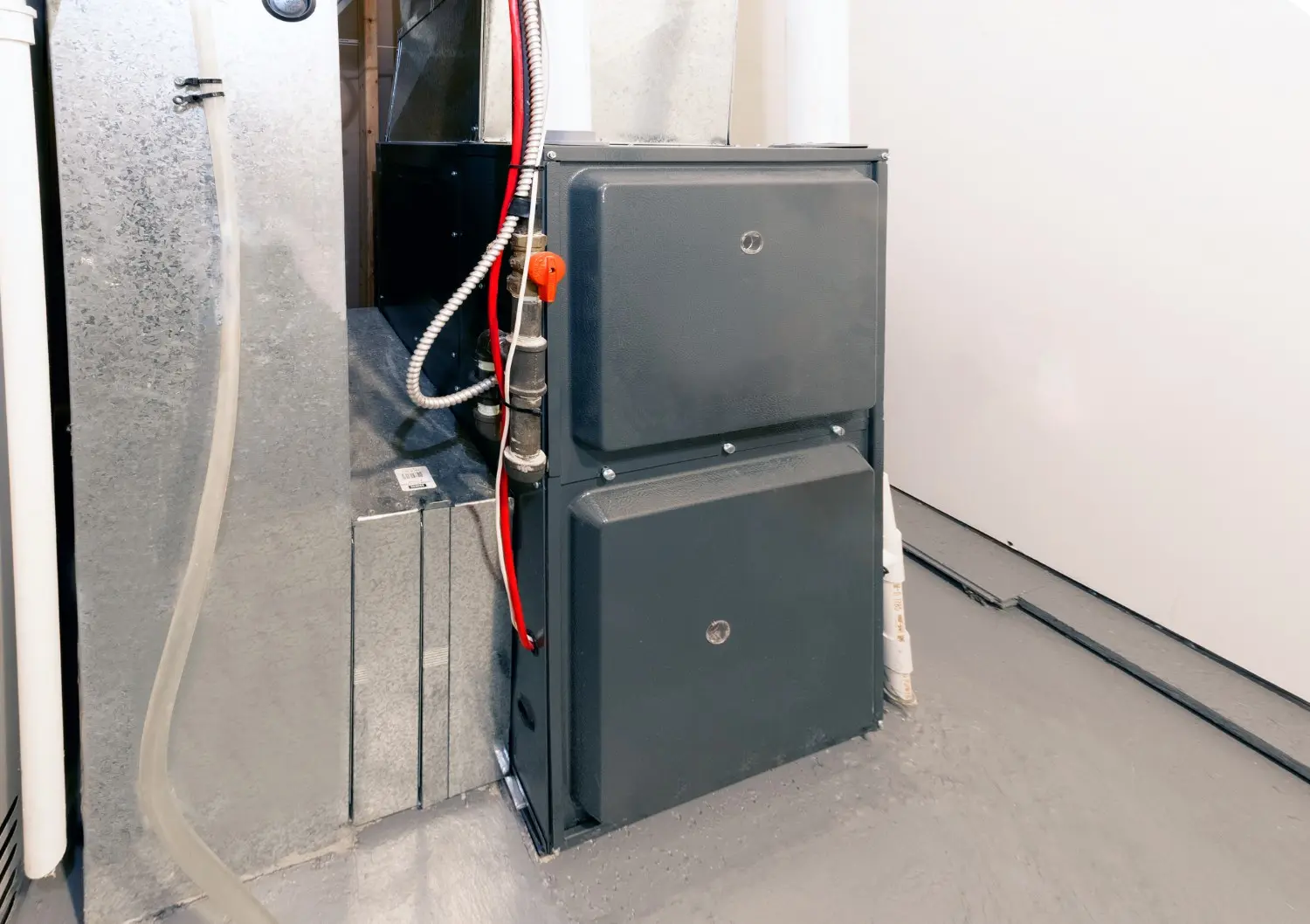
Don't wait for the next freeze to discover your heating system is past its prime. A planned replacement puts you in control of your comfort, safety, and budget. AC Superheroes is ready to help you transition to a modern, efficient heating solution that serves your home for years to come.
Contact us now to schedule your comprehensive system assessment and take the first step toward a warmer, more energy-efficient home.
What Our Clients Say
Hear from our satisfied customers about their experiences.
Your Comfort is Our Priority
Experience top-notch AC repair and maintenance services tailored to your needs. Schedule your service today!
