
Key Considerations Before Installing Your HVAC System
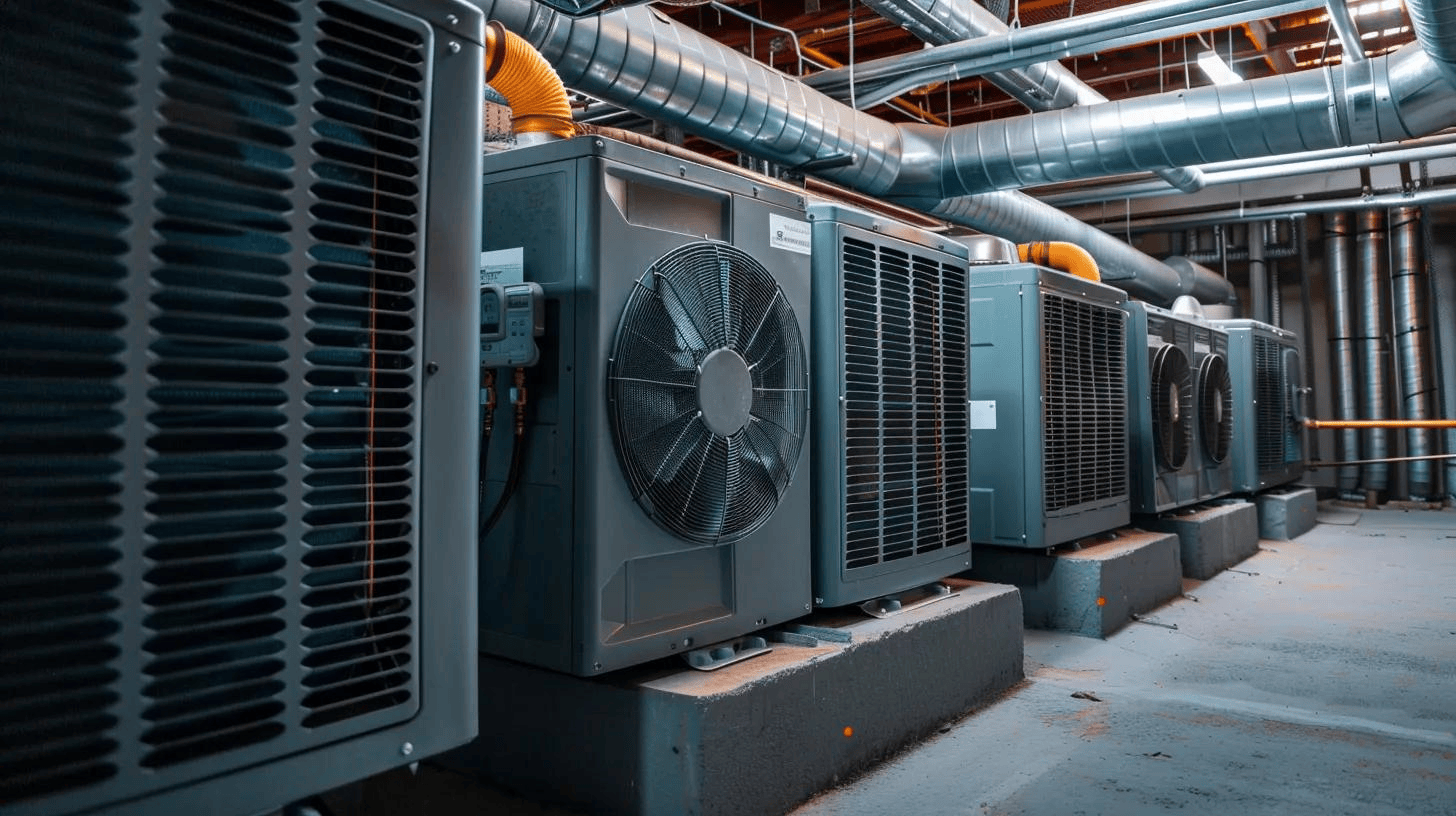
Key Considerations Before Installing Your HVAC System

What to Know Before Installing a New HVAC System: Sizing, Efficiency, Cost, and Professional Installation
Installing an HVAC system is a major investment — it affects comfort, air quality, and your monthly bills. This comprehensive guide walks you through the essentials so you can pick the right system for your building, whether it's a cozy home or a bustling business. We’ll cover why correct sizing matters, how efficiency ratings work, what to expect during installation, key cost drivers, and how ductwork profoundly affects indoor air quality. Read on to feel confident when comparing options and talking with technicians, ensuring you make an informed decision that benefits you for years to come.
Why proper HVAC sizing matters for your home or business
Getting the right size HVAC unit makes a big difference in your property's comfort and operational costs. A correctly sized system keeps temperatures steady, runs efficiently, and lasts longer because it operates within its optimal parameters. Conversely, an oversized unit will short-cycle, leading to inconsistent temperatures, higher humidity, and premature wear on components. An undersized unit will run constantly, struggling to meet temperature targets, especially during peak demand, resulting in discomfort and excessive energy consumption. Proper sizing is one of the simplest yet most critical ways to avoid headaches, reduce energy waste, and ensure the longevity of your equipment.
Studies consistently show the best performance when a system’s capacity matches the building’s calculated design load.
Optimal HVAC Sizing: Matching the Design Load
The study finds that HVAC systems perform best when their capacity matches the building’s design load; excessive oversizing reduces efficiency and can create other problems.
Integrated optimization of the building envelope and the HVAC system in nZEB refurbishment, B Delač, 2022
How Manual J load calculations determine the right HVAC size
Manual J is the industry-standard method for accurately sizing heating and cooling equipment for homes and small commercial buildings. This detailed calculation goes far beyond simple square footage, taking into account a multitude of factors that influence a building's thermal load. These include the total square footage, ceiling height, insulation R-values in walls, ceilings, and floors, window types (single, double, triple pane), window orientation (north, south, east, west), air leakage rates, local climate data (average high/low temperatures, humidity), and even the number of occupants and heat-generating appliances. A proper Manual J calculation helps you avoid the common mistake of choosing a unit based only on brand, price, or a rough estimate, ensuring your system is perfectly matched to your property's unique needs.
What are the risks of oversized or undersized systems?
The consequences of incorrect HVAC sizing are significant and costly. An **oversized system** cycles on and off too frequently (short-cycling), which wastes energy, causes rapid wear and tear on components, and significantly shortens the equipment's lifespan. More critically, it fails to run long enough to effectively remove humidity from the air, leading to a clammy, uncomfortable indoor environment and potential mold growth. This can increase energy bills by 10-30% due to inefficient operation. An **undersized system**, on the other hand, runs continuously, often failing to reach comfortable temperatures during extreme weather, especially during peak summer heat or winter cold. This constant operation also leads to premature component failure and higher energy consumption as it struggles to keep up. Both scenarios result in elevated operating costs, reduced comfort, and a significantly shortened equipment life, underscoring why accurate sizing is paramount.
Matching the system type to your home’s layout, existing infrastructure, and specific comfort needs is key to optimal performance and energy savings in Austin's unique weather patterns.
How to choose the right HVAC unit for energy efficiency and reliable performance
Choosing a new HVAC unit involves balancing the upfront cost with long-term operating savings and reliable performance. It's essential to look beyond the initial price tag and consider efficiency ratings, the specific system type best suited for your climate, and features that matter most for your home or business. While higher-efficiency equipment typically costs more at purchase, it usually translates into substantial savings on utility bills over its lifespan and significantly lowers your environmental impact. Investing in a reliable, efficient system ensures consistent comfort and fewer breakdowns.
What SEER2 and AFUE ratings mean for your system
Understanding efficiency ratings is crucial for making an informed decision. **SEER2** (Seasonal Energy Efficiency Ratio 2) measures cooling efficiency, with revised testing rules starting in 2023 to better reflect real-world conditions. A higher SEER2 rating indicates greater efficiency; for example, a system with a SEER2 of 16 or higher is considered very efficient, while the minimum standard for new systems in the South is 14.3 SEER2. **AFUE** (Annual Fuel Utilization Efficiency) tells you how efficiently a furnace converts fuel (natural gas or propane) into heat. An AFUE rating of 80% means 80 cents of every dollar spent on fuel goes towards heating your home, with 20 cents lost. High-efficiency furnaces often boast AFUE ratings of 90% or higher. Higher numbers in both ratings mean better efficiency — which typically translates to lower utility bills, a smaller carbon footprint, and more consistent indoor comfort.
Which system types work best in Austin’s climate?
Austin's climate, characterized by hot, humid summers and mild winters, dictates specific HVAC needs.
- Central Air Conditioners: These are the most common choice for whole-home cooling, effectively managing high summer temperatures. Paired with a furnace, they provide robust cooling and heating.
- Heat Pumps: Increasingly popular in Austin, heat pumps offer both efficient heating and cooling in a single unit. They are particularly well-suited for mild winters, as they move heat rather than generate it, making them highly energy-efficient. Many modern heat pumps can operate effectively even when temperatures dip below freezing.
- Ductless Mini-Splits: These systems are excellent for homes without existing ductwork, for additions, or for providing zoned climate control to specific rooms. They offer flexible installation and allow for individual temperature settings in different areas, saving energy by only conditioning occupied spaces.
Throughout this process, technicians adhere to strict safety protocols, including using proper personal protective equipment (PPE), following electrical and gas safety codes, and verifying final airflow and refrigerant charge to prevent hazards and ensure optimal performance.
What to expect during a professional HVAC installation
A quality HVAC installation is a meticulously planned and methodical process, not a rushed job. Professional technicians assess the space thoroughly, confirm load calculations, accurately size or modify ductwork, or recommend appropriate ductless options. They adhere strictly to all local safety and building code requirements, ensuring a safe and compliant installation. Clear communication between the homeowner and the installation team before and during the job is vital to avoid surprises and ensure the system performs exactly as promised, delivering optimal comfort and efficiency from day one.
Why hire certified HVAC technicians in Austin, TX?
Hiring certified HVAC technicians in Austin, TX, offers numerous advantages. These professionals bring extensive training, deep knowledge of local building codes (including specific Austin Energy requirements), and invaluable real-world experience to every job. This expertise translates into safer installations, accurate system sizing, correct refrigerant handling (which is critical for efficiency and environmental compliance), and systems precisely calibrated to run at peak efficiency. Furthermore, licensed and certified pros understand the nuances of local climate challenges, ensuring your system is optimized for Austin's hot, humid summers. Hiring them significantly reduces the risk of costly callbacks, protects your investment, and ensures any manufacturer warranties remain valid.
What are the key steps and safety practices during installation?
A typical professional HVAC installation follows a structured process to ensure quality and safety:
- Site Assessment & Preparation: Technicians conduct a final site assessment, confirm Manual J results, and prepare the area, including removing old equipment.
- Equipment Placement: Indoor (furnace/air handler) and outdoor (condenser/heat pump) units are carefully positioned according to manufacturer specifications and local codes.
- Refrigerant Line Installation: New, properly sized refrigerant lines are run, evacuated to remove moisture and contaminants, and then charged with the precise amount of refrigerant.
- Electrical & Gas Connections: All electrical wiring is connected safely and to code, and gas lines (for furnaces) are installed and tested for leaks.
- Ductwork Integration: New or existing ductwork is connected, sealed, and insulated to prevent air loss and ensure balanced airflow. For ductless systems, indoor units are mounted and connected.
- Thermostat Installation: A new thermostat (programmable or smart) is installed and configured.
- System Testing & Calibration: The entire system is thoroughly tested for proper operation, including airflow, temperature differentials, refrigerant charge, and safety controls.
- Client Walkthrough: Technicians explain the new system's operation, maintenance requirements, and answer any questions.
Understanding these factors helps you anticipate costs and discuss options with your contractor.
How much does a new HVAC installation cost — and what financing is available?
The cost of a new HVAC installation can vary significantly, influenced by several key factors. These include the specific system type (e.g., central AC, heat pump, ductless mini-split), the unit's capacity (tonnage), its efficiency rating (SEER2, AFUE), the condition of existing ductwork, and the overall complexity of the job. Local labor rates, any required home modifications (like electrical upgrades or new concrete pads), and permits also play a role in the final price. To ensure you're getting the best value, it's highly recommended to obtain multiple written quotes with a clear, detailed scope of work from reputable contractors, allowing for a fair comparison of offers.
What factors influence installation cost?
Several variables contribute to the total cost of an HVAC installation:
- System Type: Heat pumps are often more expensive than central AC units upfront but offer heating and cooling. Ductless mini-splits can vary widely depending on the number of zones.
- Equipment Efficiency: Higher SEER2 and AFUE rated units cost more initially but provide significant long-term energy savings.
- System Capacity: Larger homes or commercial spaces require higher tonnage units, which are more expensive.
- Ductwork: If existing ductwork needs extensive repairs, sealing, insulation, or a complete replacement, this will add considerably to the cost.
- Accessibility: Installations in tight attics, crawl spaces, or on difficult-to-access roofs can increase labor costs.
- Ancillary Upgrades: Replacing old electrical service panels, adding new ventilation systems, or installing smart thermostats can increase the project scope and price.
- Brand & Features: Premium brands or units with advanced features (e.g., variable-speed compressors, zoning capabilities) will be at the higher end of the price spectrum.
What financing plans and warranties does AC Superheroes offer?
AC Superheroes understands that a new HVAC system is a significant investment. To make upgrading to a more efficient and comfortable system more accessible, we provide several flexible financing options. These include competitive interest rates, extended payment plans, and various terms designed to fit different budgets. Our goal is to ensure you can enjoy improved indoor comfort without financial strain. Furthermore, we stand behind the quality of our work and the products we install. AC Superheroes backs all our installations with robust warranties for both parts and labor, giving you peace of mind and confidence in your investment for years to come.
Discussing your specific concerns and health needs with your technician will help determine the best IAQ solutions for your home.
Frequently Asked Questions
What are the benefits of regular HVAC maintenance?
Regular HVAC maintenance, ideally performed twice a year (once for heating, once for cooling), offers a multitude of benefits. It keeps your equipment running at peak efficiency, which can reduce energy bills by 5-15%. It significantly extends the lifespan of your system, often by several years, delaying costly replacements. Maintenance also helps catch small problems, like worn belts or low refrigerant levels, before they escalate into major, expensive repairs. Typical checks include filter changes, refrigerant level verification, cleaning coils, inspecting electrical connections, and lubricating motors and belts. Annual tune-ups with a certified technician are a proactive investment that prevents breakdowns and keeps energy use in check.
What should I look for when choosing an HVAC contractor?
Selecting the right HVAC contractor is crucial for a successful installation or repair. Look for licensed and insured professionals with a strong local reputation and verifiable references. Always ask for clear, detailed written estimates that outline the scope of work, equipment, and costs. Inquire about their experience with the specific system type you need (e.g., heat pumps, ductless mini-splits) and verify their certifications (e.g., NATE certification). Crucially, check their warranty offerings for both parts and labor, and understand their post-installation support policies. A good contractor will take the time to explain their recommendations, answer all your questions clearly, and provide transparent pricing.
What are the environmental benefits of energy-efficient HVAC systems?
Investing in energy-efficient HVAC systems offers significant environmental benefits. By using less electricity or fuel to achieve the same level of comfort, these systems directly lower greenhouse gas emissions, thereby reducing your overall carbon footprint. For example, upgrading from an old 10 SEER unit to a new 16 SEER2 unit can cut electricity consumption for cooling by over 30%. Many modern units also utilize refrigerants with a lower Global Warming Potential (GWP), further minimizing their environmental impact. Choosing an efficient system not only saves you money on utility bills but also contributes positively to a healthier planet by conserving natural resources and reducing air pollution.
Conclusion
Choosing the right HVAC system means thinking beyond just the unit itself. Accurate sizing, the quality of installation, the integrity of your ductwork, and integrated indoor air quality solutions all play critical roles in your long-term comfort and energy savings. Start with precise load calculations, always work with certified technicians, and actively consider efficiency and IAQ upgrades that fit your specific needs and budget. Making informed decisions now will ensure your home or business remains comfortable and efficient for years to come. If you want expert guidance, our team of local professionals can walk you through all your options and provide a clear, no‑pressure estimate tailored to your property.
What Our Clients Say
Hear from our satisfied customers about their experiences.
Your Comfort is Our Priority
Experience top-notch AC repair and maintenance services tailored to your needs. Schedule your service today!
